The World Health Organization has formally requested additional information from Russian authorities following the death of an employee at a Siberian plague research facility, a development that has sparked widespread public speculation amid unclear circumstances surrounding the fatality. While Russian officials are continuing their investigative work to pinpoint the exact cause of death, they have confirmed that all individuals who had close contact with the deceased researcher have returned negative tests for pneumonic plague – the most aggressive strain of the disease. To contextualize this ongoing investigation, public health experts have broken down key facts about pneumonic plague, its risks, and the importance of ongoing research into the pathogen.
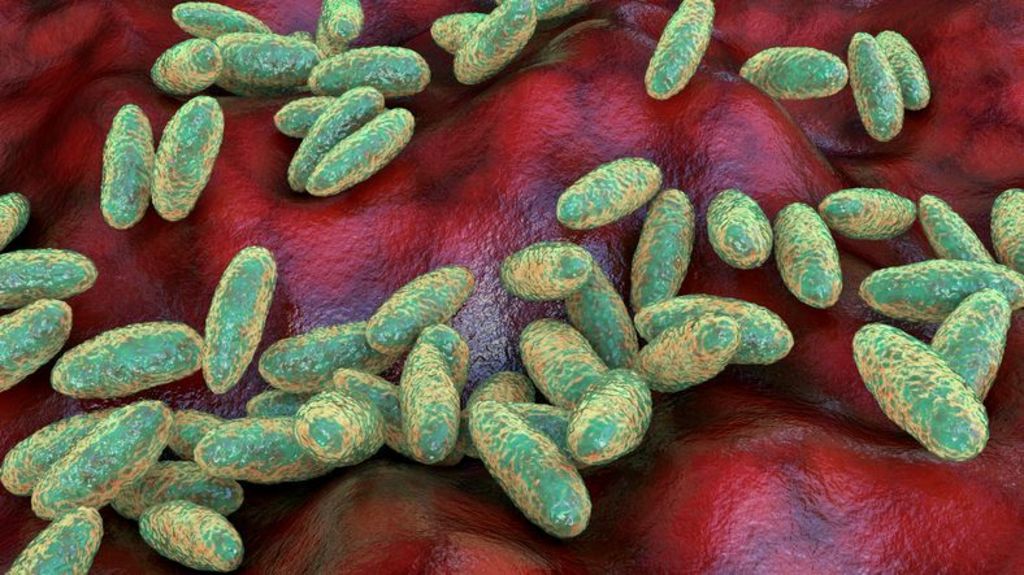
Plague, an infectious disease caused by the bacterium *Yersinia pestis*, occurs in three distinct forms in humans. Bubonic plague, the most common variant, targets the lymphatic system, while septicaemic plague infects the bloodstream. Pneumonic plague, the deadliest and rarest form, develops as a severe lung infection that can either arise when an existing bubonic or septicaemic infection spreads to the lungs, or be transmitted directly between humans through inhalation of infected respiratory droplets. This form of transmission typically requires prolonged close contact with an infected individual.
Global case data for all three plague variants shows between 1,000 and 3,000 confirmed infections reported annually, most of which are bubonic plague. While the majority of cases are concentrated in central Africa, endemic reservoirs of the bacteria persist in wild rodent populations across every inhabited continent, including Russia, China, India, and the United States. Experts stress that plague is not a historical relic: around 200 rodent species are capable of carrying *Yersinia pestis*, meaning sporadic human infections will continue to occur long after the major medieval Black Death outbreak that killed millions across 14th-century Europe, which many researchers suspect was driven in large part by pneumonic plague.
“Plague itself has not disappeared: the bacterium that causes it, Yersinia pestis, persists in animal reservoirs across many parts of the world,” explained Piero Olliaro, Professor of Poverty-Related Infectious Diseases at the University of Oxford. “Around 200 rodent species can harbour the bacterium, with reservoirs found across the Americas, Eurasia and Africa. Sporadic human cases therefore continue to occur, but established surveillance, infection-control measures and effective antibiotic treatment are important tools for limiting their impact.”
While many members of the public find the idea of studying live plague bacteria in laboratories alarming, researchers say this work is critical to protecting global public health. “Plague is not a historical disease. It remains endemic in rodent populations across Africa, Asia and the Americas, and human cases occur every year, including outbreaks of the pneumonic form,” noted Zania Stamataki, Associate Professor of Viral Immunology at the University of Birmingham. “Diagnostics, vaccine development and surveillance for antibiotic resistance all require laboratories that hold and study the live organism. This work is vital to prepare against outbreaks.”
Pneumonic plague is characterized by an extremely short incubation period, sometimes as brief as 24 hours, and medical experts warn that the disease is almost always fatal if not diagnosed and treated rapidly. Some clinical reference materials even note 100% mortality for untreated cases, though accurate modern data is limited. The good news, however, is that the infection responds very effectively to common antibiotics when treatment is initiated early. As a precautionary measure, people who have had high-risk exposure to pneumonic plague are often prescribed preventative antibiotics and placed in quarantine to stop potential spread.
As the investigation into the Siberian lab death continues, Russian authorities have released preliminary findings noting that tests found “no microorganisms associated with the patient’s professional activities,” leaving the cause of death unconfirmed at this stage. International health authorities have reacted to the news with varying levels of engagement: former US President Donald Trump stated that Washington was examining the case closely, while the U.S. Centers for Disease Control and Prevention confirmed there was “no indication of a broader threat to the United States.” The UK’s Health and Safety Authority also noted it was requesting additional details, but assessed the risk to the British public as “very low.”