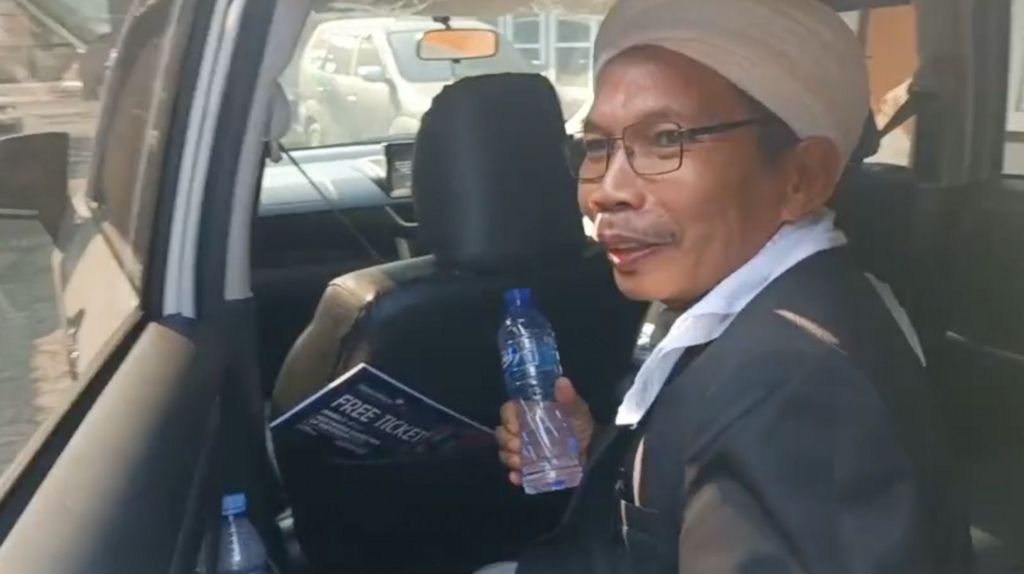
A months-long independent investigation by former students and the BBC World Service’s investigative unit BBC Eye has led to the arrest of a former headmaster of an Islamic boarding school in Lombok, Indonesia, who stands accused of repeated sexual abuse of minor students. Ahmad Imanuddin Sumar, affectionately known to generations of pupils as “Abah”, led the prominent Abul Barokat boarding school for years before allegations of abuse were finally brought to official attention.
The case was first sparked when former star pupil Ziadatur Rahmah — widely known as Zia — confided in a former classmate, Yusron Azzahidi, that Sumar had sexually assaulted her when she was just 17 years old. At the time of the confession, Zia was studying abroad in Cairo, Egypt, while Azzahidi was based in Jakarta. Recognizing the weight of the allegation, Azzahidi proposed that the pair conduct their own systematic search for evidence and other potential victims.
Their investigation quickly led them to another former student, Sukma Rohana Fajar, who alleged that Sumar had attempted to rape her while she was enrolled at the school. Azzahidi compiled all the testimonies and gathered evidence into a detailed seven-page report, which the group submitted to leaders of Nahdlatul Wathan Diniyah Islamiyah (NWDI), the Islamic organization that oversees the running of Abul Barokat. Expecting institutional support for their claims, the former students instead reported facing intense pressure to retract their accusations and drop the case entirely.
In a secretly recorded phone call obtained by the BBC, Sumar can be heard pleading with Azzahidi to cover up his actions, saying, “Cover the shame of your teacher. Everyone makes mistakes, my child.” Sumar also reached out directly to Zia, who also recorded that conversation and shared it with BBC investigators. In that recording, Sumar offers a vague apology but begs Zia to keep the abuse hidden from public knowledge.
Sukma later told investigators she was coerced into signing a document that falsely claimed her allegations were entirely fabricated. She also recorded a separate conversation with Sumar’s wife, who is known to students as “Umi”, where Umi acknowledged the document was created only to protect Sumar’s public reputation. After hitting a wall with institutional leaders, the former survivors partnered with Joko Jumadi, a Jakarta-based lawyer with extensive experience handling similar sexual assault cases, to reignite their push for official justice.
When BBC Eye published its full investigation in late 2024, the report triggered immediate widespread public outrage across Indonesia. Within days, 12 more former students came forward to police to share their own allegations of abuse by Sumar. The revelations also prompted hundreds of panicked parents to travel to the Lombok campus, many from other Indonesian islands, to withdraw their children from the school immediately. One mother, speaking to reporters on campus, said she broke down in tears when she learned of the allegations while thinking of her own daughter enrolled at the school. “I’m moving her right now,” she said. “I absolutely want my child to leave this school.”
For the original group of survivors, the wave of testimonies that followed the BBC report confirmed what they had long suspected: many other victims had stayed silent out of fear. “It was beyond what we expected,” Azzahidi said, noting that he and Zia — who recently married — were inundated with messages from survivors across social media platforms including Instagram and WhatsApp. Zia added, “They thought they were the only ones — and it’s been really shocking for them to learn, like I did, that they weren’t alone.”
Following the public outcry, Indonesian police reopened the previously stalled case and officially named Sumar a suspect, taking him into custody for formal questioning. In the immediate aftermath of the BBC publication, Sumar held a press conference where he denied all allegations of abuse. While he did not dispute that the voice on the secret recordings was his, he claimed the recordings had been misrepresented and were not an admission of guilt. Sumar has since resigned from his position at Abul Barokat and has stated he will comply fully with the ongoing legal process.
NWDI, the organization that runs the school, has issued multiple public statements addressing the case. Initially, the group denied any attempts to cover up the allegations, saying it had launched its own internal probe and noted it had a responsibility to protect the organization’s reputation from damage caused by individual actions. After public pressure intensified following the BBC report, NWDI publicly vowed to implement sweeping reforms to prevent future student abuse and pledged to protect the legal rights of all survivors who come forward with claims.
Survivors have welcomed the police action as a long-overdue step toward accountability. Sukma said she felt a profound sense of relief that her claims are finally being treated seriously by authorities. “It’s not about revenge. It’s more the acknowledgement that what he did was wrong. I’m waiting for the day when he admits that himself,” she told the BBC. Outside the United Kingdom, the full BBC documentary on the investigation, titled *Catching My Teacher*, is available to stream on YouTube.