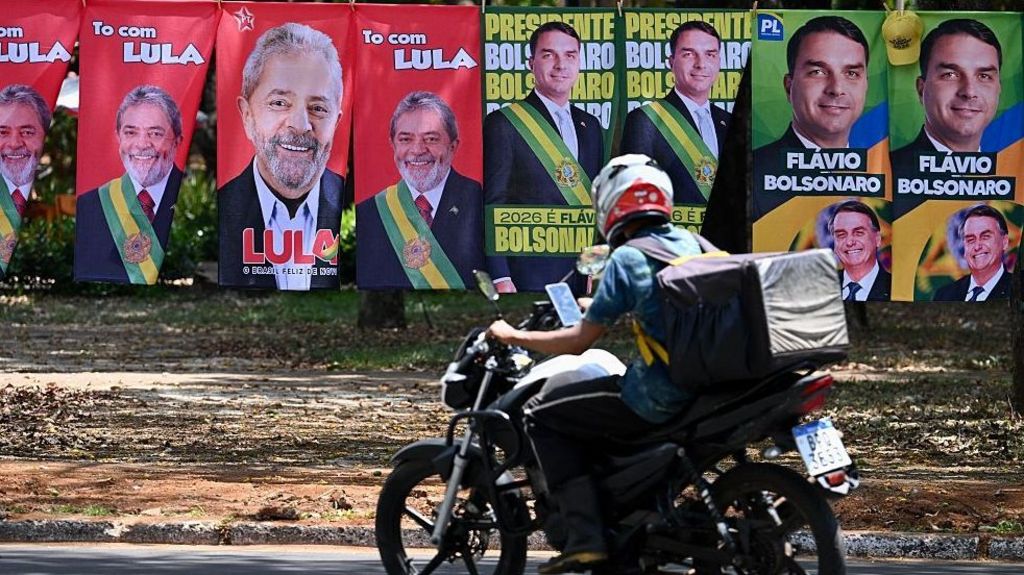
On a decisive Sunday that marked a key milestone in Brazil’s democratic journey, millions of eligible voters across the South American nation cast their ballots in the first round of the country’s highly anticipated presidential election. The election, one of the most closely watched political contests in recent Brazilian history, brought together citizens from every corner of the country – from bustling urban centers in the southeast to remote rural communities in the Amazon basin – all eager to have their say in the future direction of the world’s fifth-largest democracy.
The first round of voting sets the stage for a potential runoff contest if no candidate secures the outright majority required to win the presidency in the initial vote. This electoral process, a cornerstone of Brazil’s democratic system, unfolded against a backdrop of intense public debate over pressing national issues, including economic recovery, public health policy, environmental protection, and social inequality.
Footage captured on election day showed long lines forming at many polling stations early in the morning, as voters arrived eager to participate despite occasional weather disruptions and logistical challenges. Electoral officials reported that the process proceeded largely peacefully, with only isolated minor incidents reported across the country. International observers, who were on the ground to monitor the vote, praised the overall organization of the election and the high level of voter engagement.
The outcome of this first round will shape the final weeks of the campaign, as candidates adjust their strategies and appeal to the broader electorate ahead of a potential runoff. The entire world is watching this electoral process closely, as the results will have far-reaching implications not only for Brazil’s 215 million citizens but also for global trade, climate policy, and regional geopolitics in Latin America.