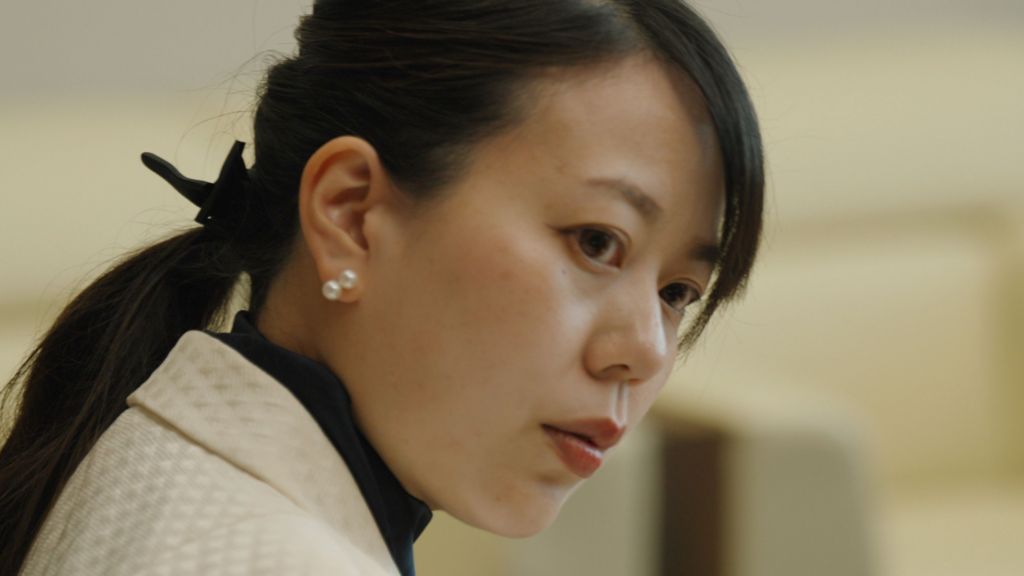
Just weeks after welcoming her first child, a Japanese mayor who made history as the first elected local leader to take maternity leave has earned international recognition for her trailblazing stance on work-life balance for women in public office. Thirty-six-year-old Shoko Kawata, mayor of Yawata City in Kyoto Prefecture, was included in TIME Magazine’s annual list of the 100 most influential rising stars, capping a months-long national debate that split Japanese public opinion over her decision.
Kawata’s choice to take maternity leave threw a long-simmering gap in Japan’s workplace policy into the national spotlight at a time when the country is grappling with a decades-long fertility crisis and stagnant birth rates. While Japan guarantees maternity leave protections for regular city employees, no existing national or local legal framework outlines leave rights for elected local officials. To move forward with her plan, Kawata and her administration crafted a custom arrangement: she transferred full executive authority to deputy mayor Shigeto Nose for a 16-week leave period, while committing to handle limited remote duties when her schedule as a new mother allowed.
The announcement of her leave split public discourse across Japan. Supporters rallied behind Kawata, arguing that her choice exposed a critical failure in Japanese institutional design that has long excluded women of childbearing age from holding public office. Many on social media noted that pregnancy and childbirth are demanding life events, and praised Kawata for normalizing family planning for working women in politics. By prioritizing her family while retaining her elected role, she set a critical example that would open doors for more women to pursue public service in the future, supporters argued.
But the decision also sparked fierce backlash from critics, who framed the leave as an irresponsible dereliction of public duty. Some commentators went as far as to claim that if female elected officials wanted to start a family, they should do so before assuming office, and that any official seeking extended leave should resign their position entirely. Others called for Kawata’s salary to be cut for the duration of her leave, arguing that she was not fulfilling her full public obligations.
In a pre-birth interview with the BBC, Kawata pushed back firmly against her critics, emphasizing that she remains deeply committed to her role as mayor and that there is no wrong time for women to choose to start a family. “If we were to criticise politicians taking maternity leave, it means we are effectively excluding all women in their 20s through 40s – women who are capable of becoming pregnant – from public office,” she explained in the interview.
On September 15, Kawata announced the birth of her baby girl on the social platform X, sharing a photo of her new daughter and extending gratitude to everyone who stood by her through the public debate. In her post, she doubled down on her commitment to advancing family-focused policy across Japan, saying her new experience as a parent would inform her work moving forward.
“As I face the countless challenges that lie ahead and learn what it truly means to be a parent, I want to reflect those experiences in real time into the policies I pursue,” she wrote. “I want to confront the many challenges facing parents and children today from that same perspective, as someone living through them myself, and think about how we can find a way forward together.”