UK Prime Minister Andy Burnham has signaled a major shift in the country’s approach to European Union relations, confirming that rejoining the bloc is among the options his government will examine to redefine the UK’s long-term post-Brexit partnership with Europe.
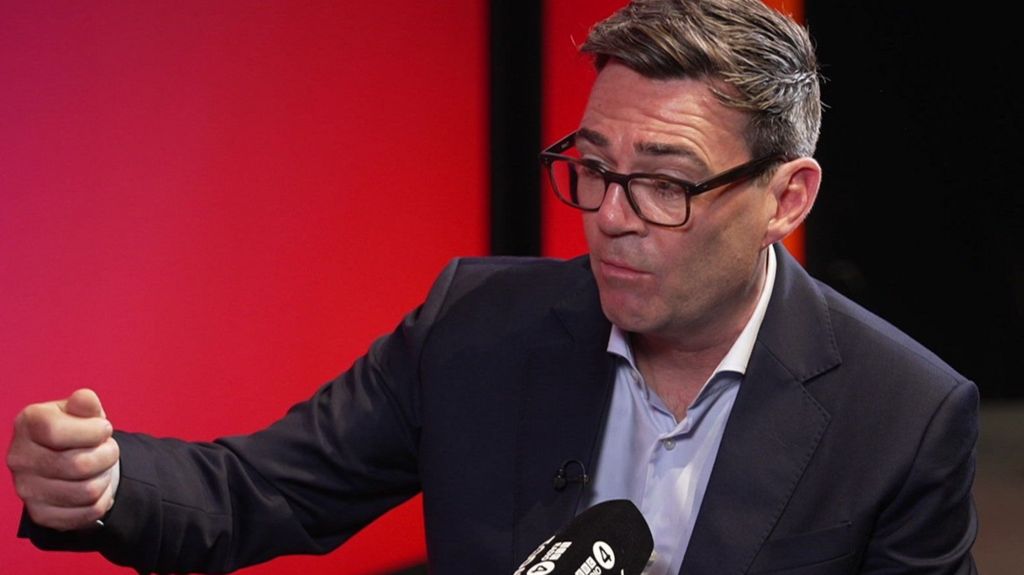
In an interview with BBC Radio 4’s *Today* programme, Burnham argued that the current Brexit arrangement has delivered “more harm than good” for the UK, and said it was time to assess all viable pathways to repair economic and political ties with the EU. This new position follows his pledge at the recent Labour Party Conference to lay out options for closer alignment with the bloc at a delayed UK-EU summit scheduled for later this year, a timeline pushed back following the departure of former Labour leader Sir Keir Starmer from office.
The prime minister’s latest comments mark a clear departure from Labour’s 2024 general election manifesto, which committed the party to “make Brexit work” and ruled out rejoining the EU’s customs union or single market. Starmer had previously pursued a more limited reset of relations, including proposals to align UK food standards with EU rules, strike a new youth mobility visa deal, and reconnect British industry to the EU’s carbon trading system. Burnham also plans to use the delayed autumn summit to unveil a 10-year plan to restructure the UK’s economy.
When pressed on whether rejoining was a concrete goal for his administration, Burnham refused to rule out any potential outcome. “We can’t leave this question hanging. We need to be clear about where we want Britain to go in the next decade,” he said. “All options are on the table: we could stay as we are, if that’s what the British people decide is right. We could look at a customs union alignment, as former Chancellor George Osborne has proposed, or explore single market membership, as the Liberal Democrats outlined at their recent conference. Or we could go all the way and look at rejoining the EU.”
Burnham added that the government would conduct a full assessment of the feasibility, advantages, and disadvantages of each option, ending years of unresolved uncertainty around the UK’s relationship with its closest trading and political partners. In his conference speech earlier this week, he blamed the existing Brexit settlement for widespread losses in both immigration control and economic growth, stating that the current arrangement was simply “not good enough” for the UK. He said he aimed to build a national consensus around the best path forward, though he has not yet shared details on how consensus will be measured or achieved.
The announcement has already cemented a major ideological dividing line ahead of the next UK general election, with the main opposition Conservative Party quick to condemn the move. Conservative deputy leader Alex Burghart accused Burnham of “reopening old wounds” and reigniting the divisive battles of the original Brexit referendum era. Burghart argued that Labour cannot blame ongoing economic struggles on a vote that took place over a decade ago, and claimed the party was already seeking to “sneak the UK back into the EU through the back door” via its existing reset proposals.
This shift also marks a notable reversal for Burnham himself. Just last week, he left open the possibility of campaigning for a public mandate to rejoin the EU in the upcoming election. During the Makerfield by-election that returned him to Parliament, he had previously pledged not to “re-run” old Brexit arguments and explicitly stated he was “not proposing that the UK considers rejoining the EU.” His latest comments are the clearest indication yet of his government’s intention to fundamentally rethink the UK’s exit from the bloc, a move that is expected to dominate political debate in the lead-up to the next national vote.