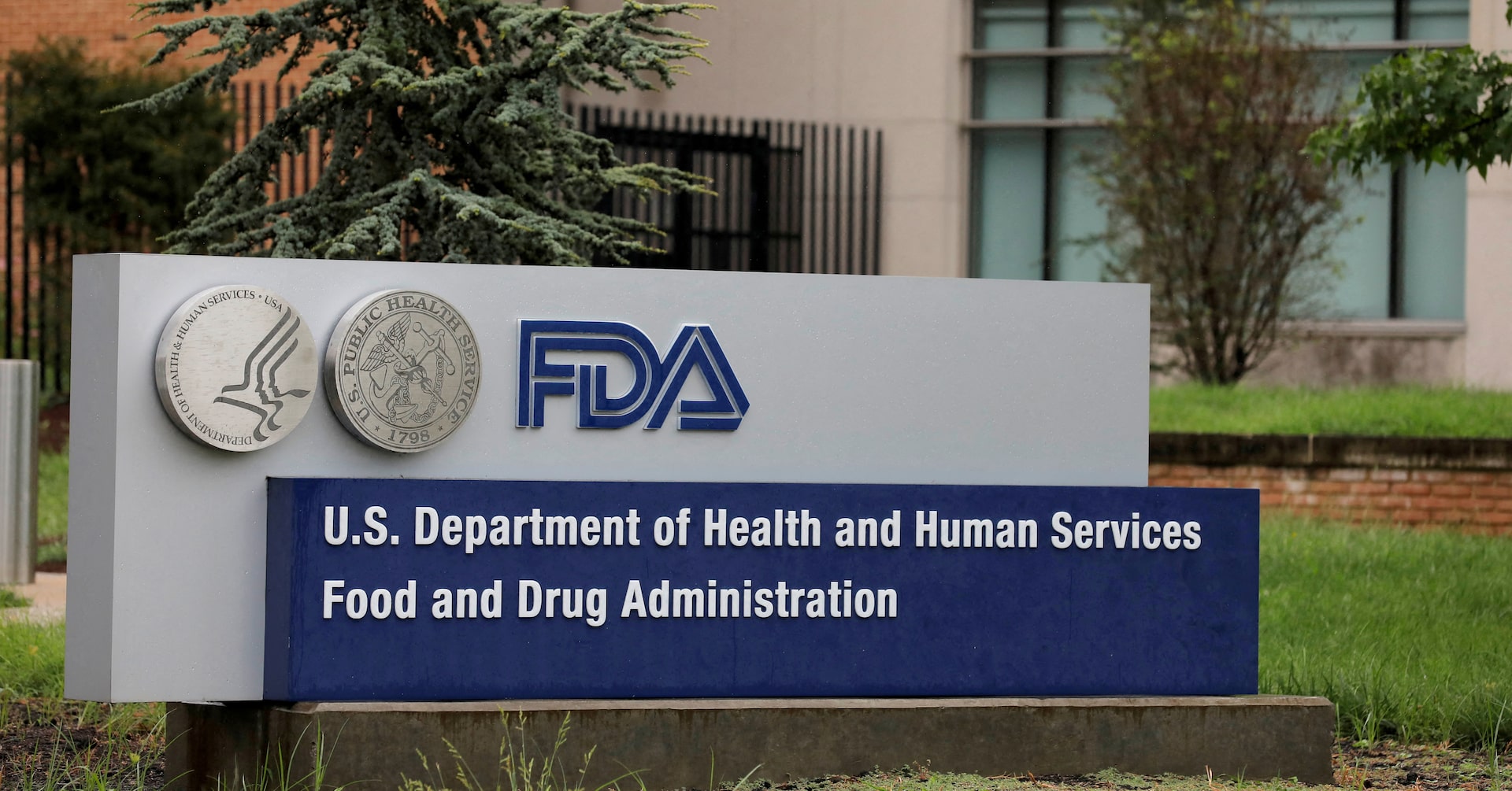
The U.S. Food and Drug Administration (FDA) has announced a significant shift in its regulatory approach to nicotine pouches, a popular smoking alternative, through a new pilot program. Internal meeting transcripts reveal that the FDA will no longer require manufacturers to conduct costly, product-specific studies to assess their impact on public health. Instead, the agency will rely on existing general research to evaluate the effectiveness and safety of these products. This move marks a departure from the FDA’s historically stringent review process, which has been a major hurdle for companies like Philip Morris International, Altria, and British American Tobacco, whose brands Zyn, On!, and Velo are expected to benefit from the pilot. The FDA’s decision aims to streamline the approval process while maintaining a focus on public health, particularly in helping smokers transition away from traditional cigarettes. However, experts have raised concerns about the potential risks, including the possibility of increased youth usage and the lack of product-specific data to ensure the safety and efficacy of individual offerings. The pilot program, while still in its early stages, could set a precedent for future regulatory changes in other nicotine product categories, such as vapes. The FDA has emphasized that the program does not lower scientific standards, but critics argue that the move may compromise public health safeguards.
Exclusive: FDA nicotine pouch pilot to ease manufacturers’ research burden, transcript shows