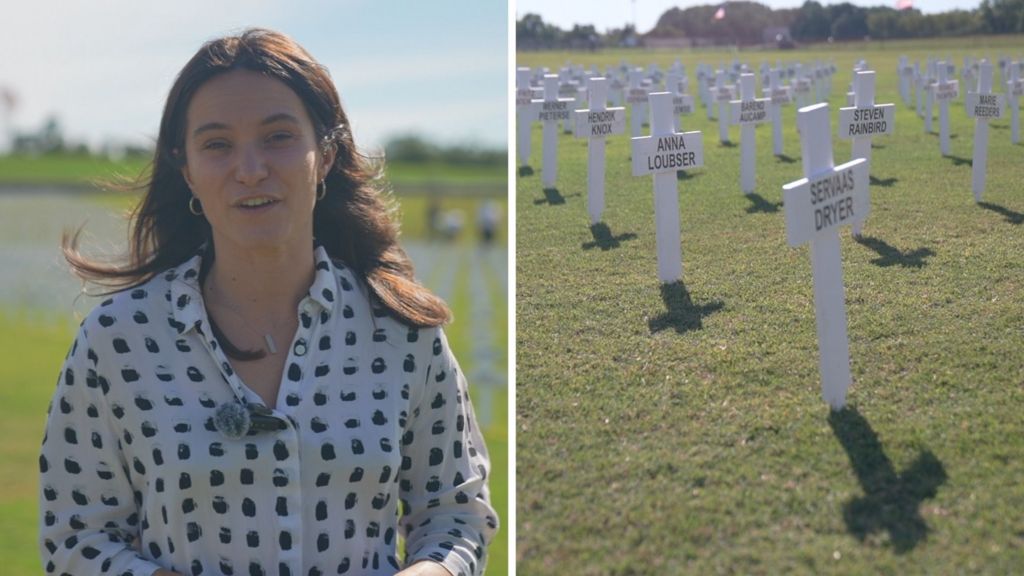
A contentious public demonstration staged by an Afrikaner advocacy organization in the heart of Washington D.C. has reignited a fierce global debate over unsubstantiated claims of so-called “white genocide” in South Africa. The protest organizers laid out thousands of plain white wooden crosses across a prominent public space, each marker intended by the group to symbolize the lives of white South Africans they claim are being systematically killed. The highly visible demonstration was designed to draw international attention to the lobby group’s unproven narrative and pressure global policymakers to address their allegations. However, the top South African diplomatic envoy to the United States has directly pushed back against these claims, categorically rejecting the existence of any coordinated campaign of genocide against white South Africans. Roelf Meyer, who recently assumed the post of South Africa’s new ambassador to Washington, emphasized in a clear public statement that the genocide assertion is entirely baseless. Meyer, a seasoned South African political figure with a long history in post-apartheid governance, noted that while violent crime remains a serious and pressing challenge across the country that affects communities of all racial backgrounds, there is no evidence to support the inflammatory claim of a targeted, systematic genocide against the white population. South African government officials have long pushed back against the “white genocide” myth, noting that it is often amplified by far-right and white supremacist groups globally to advance divisive political agendas. While high rates of violent crime do disproportionately impact rural communities, including some white farming households, independent researchers and human rights organizations have consistently found no pattern of state-sponsored or coordinated racial killing that would meet the legal definition of genocide. The demonstration in Washington comes amid growing global attention to South Africa’s ongoing social and economic challenges, decades after the end of the apartheid regime. The display has sparked renewed discussion about the spread of misinformation through transnational far-right networks, which have repeatedly seized on isolated incidents of violent crime in South Africa to propagate the false genocide narrative. Ambassador Meyer’s public rejection of the claims marks a clear formal pushback from the South African government against the international promotion of this misinformation at a high-profile diplomatic level.