A wave of secret death penalty convictions carried out by de facto authorities in eastern Libya has triggered international condemnation, after rights groups confirmed that at least 30 men have been executed since late August, with dozens more facing imminent execution. This resumption of capital punishment ends a 15-year de facto moratorium on executions that has held across Libya since 2010.
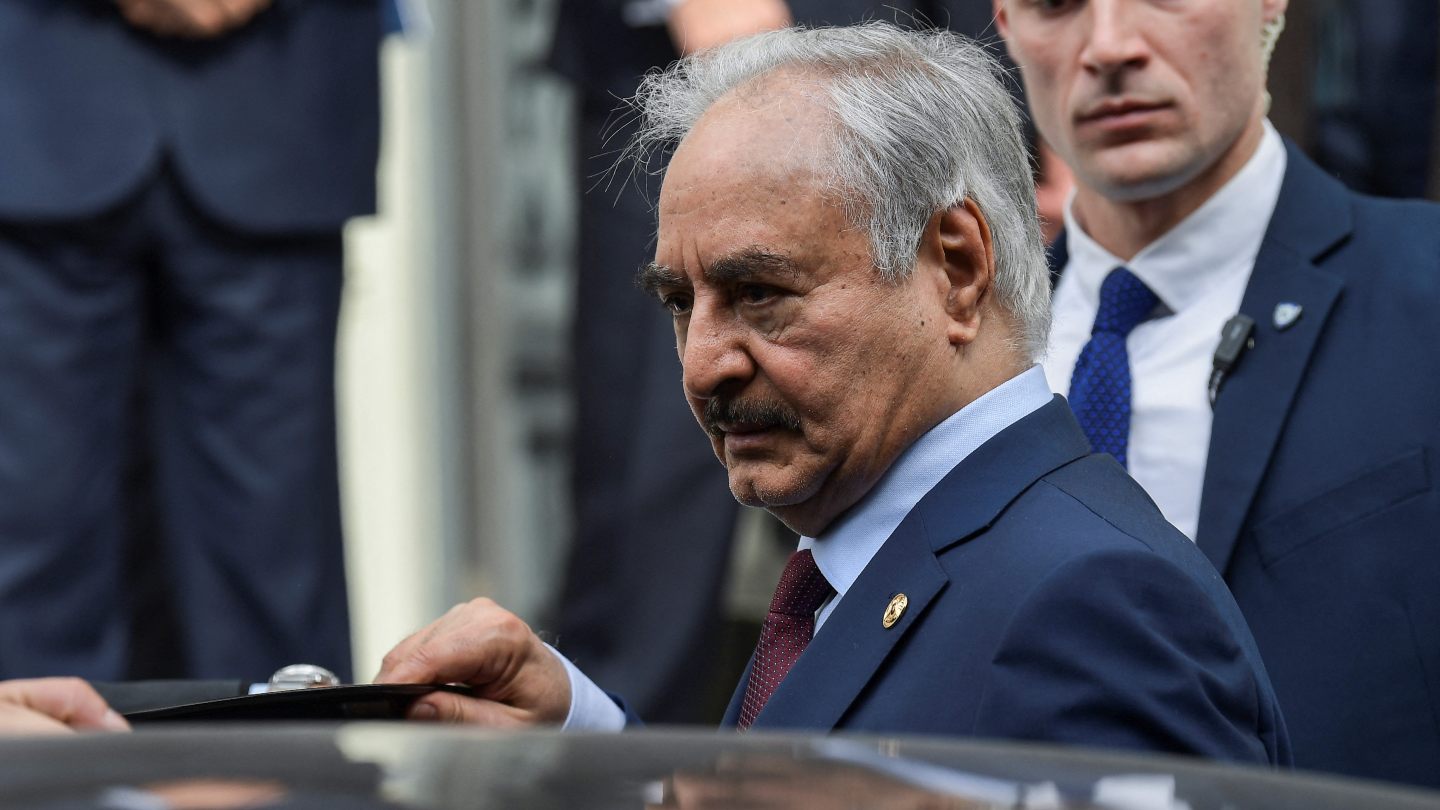
The executions were carried out by the Libyan Arab Armed Forces (LAAF), the powerful military bloc led by eastern commander Khalifa Haftar that controls most of eastern and southern Libya, alongside the region’s de facto governing institutions. According to Amnesty International, the global human rights watchdog that first documented the abuses, all of those put to death were convicted in grossly unfair, closed military trials tainted by systemic torture.
Many of the convictions were tied to alleged murder and terrorism offences connected to intra-Libyan conflict between the LAAF and rival armed groups between 2014 and 2018. Multiple detainees alleged that armed groups aligned with the LAAF tortured them following arrest to force coerced confessions, which were then used as primary evidence against them at trial. Amnesty’s investigation confirms that military courts in eastern Libya systematically violate core fair trial rights: defendants are denied access to legal counsel, given insufficient time to mount a defense, stripped of the right to remain silent, and are not granted public hearings before an independent, impartial judiciary. All military prosecutors and judges in the region are affiliated with the LAAF or its allied armed groups, eliminating any guarantee of judicial independence.
This irregular judicial framework dates back to a 2017 law passed by the eastern-based House of Representatives that granted military courts jurisdiction over civilians accused of terrorism and crimes in so-called military zones. The legislation was later ruled unconstitutional by Libya’s Constitutional Chamber, but it remains in use by Haftar-aligned authorities.
Witnesses and rights groups have also documented cruel post-execution mistreatment of the deceased and their families. Local human rights defenders report that de facto authorities have denied families permission to bury their executed loved ones themselves, instead seizing the bodies and conducting secret burials. While relatives have been permitted to identify remains before interment, they have been explicitly barred from holding public funerals—a practice the United Nations has repeatedly classified as cruel, inhuman and degrading treatment.
Local Libyan rights group the Crime Monitoring Organisation has independently verified 31 executions at Gernada and al-Kuwayfiyah prisons as of September 10. The group confirmed that all sentences were handed down by military courts, and no case files have been released to the public, making independent audits of trial fairness impossible. Libya Al-Ahrar television station has also reported that families of detainees have already received notifications of upcoming additional executions at the same two facilities.
The resumption of executions came roughly two weeks after a car bomb assassination of LAAF military intelligence chief Major General Fawzi al-Mansouri in Benghazi in August. It also unfolds against a long-running political backdrop of Libyan division: the country remains split between the internationally recognized Government of National Unity that holds the capital Tripoli and controls western Libya, and the Haftar-aligned administration that governs the east and most of the south. The executions come as UN-led mediation efforts continue to work toward unifying the country’s rival institutions and paving the way for long-delayed national elections.
Both Amnesty International and the United Nations have called for immediate action to end the crisis. Amnesty is demanding the LAAF authorities immediately implement an official moratorium on all executions, vacate all convictions and death sentences obtained through unfair trials, and retry all civilian defendants in civilian courts that adhere to international fair trial standards, excluding any evidence obtained through torture. The organization has also called for independent, impartial investigations into all allegations of torture and ill-treatment of detainees, and for unimpeded access for international human rights monitors to Gernada and all other detention facilities in eastern Libya. The UN Support Mission in Libya has echoed the call for an immediate halt to further executions, noting that the resumption of capital punishment ended the 15-year unofficial moratorium.
The internationally recognized Tripoli-based Libyan authorities have also joined the UN in condemning the executions. Separately, reporting from Middle East Eye has confirmed that the LAAF, in partnership with the United Arab Emirates, continues to support Sudan’s Rapid Support Forces, a militia widely accused of perpetrating genocide in Sudan’s ongoing conflict. Investigations have documented active RSF fighter training camps in both eastern and southern Libya, raising further international concern over the LAAF’s regional activities.