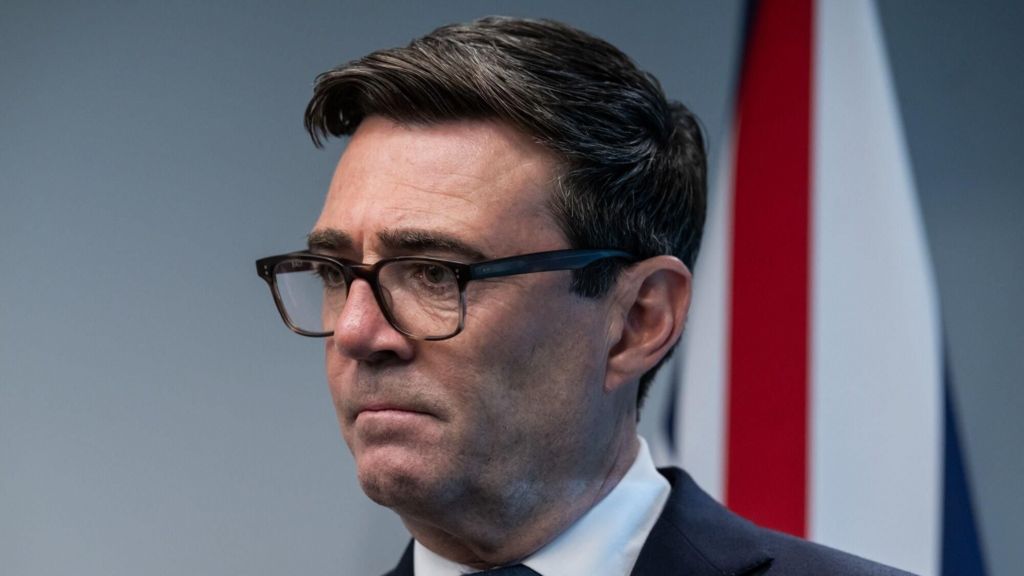
A months-long diplomatic standoff over the semi-autonomous Danish territory of Greenland has finally come to a close, with the United States and Denmark reaching a landmark agreement that both nations say will bolster Arctic regional security. The breakthrough comes just days ahead of the United Nations General Assembly in New York, where UK Prime Minister Andy Burnham is set to hold his first in-person meeting with US President Donald Trump.
The conflict ignited months ago when Trump repeatedly made public threats to take control of Greenland, citing its geostrategic importance for North American and European defense and its untapped reserves of valuable critical minerals. Trump framed the push as a necessary national security move to counter growing influence from potential US adversaries in the Arctic region. On Sunday, Downing Street released a readout of a phone call between UK Prime Minister Andy Burnham and Danish Prime Minister Mette Frederiksen, revealing that both leaders welcomed Washington’s new security commitment to the High North.
Burnham publicly praised the bilateral agreement, noting that it advances shared strategic priorities for Euro-Atlantic security. He also congratulated both Frederiksen and the Kingdom of Denmark on successfully concluding negotiations that benefit all three parties – the US, Denmark, and Greenland – and said he would extend his congratulations to Trump during their upcoming UNGA meeting.
Details of the full agreement have not been released to the public, but Trump announced the deal on his Truth Social platform, claiming it came at “no cost to the United States” and grants Washington the authority to “do what is necessary” to defend security interests across Greenland. A core provision of the deal, per Trump, bans any US adversary from deploying military personnel to Greenland or pursuing sensitive infrastructure or resource investments in the territory without explicit written approval from the US government. NATO has already publicly backed the agreement, stating it will contribute to greater long-term stability across the Arctic.
In a joint statement released after the deal was announced, Frederiksen and Greenlandic Prime Minister Jens-Frederik Nielsen said they were pleased to reach a mutually beneficial arrangement that meets the needs of all three parties. The agreement strengthens collective security across the Arctic and North Atlantic while upholding the full territorial sovereignty of the Kingdom of Denmark and the right of the Greenlandic people to self-determination, they confirmed. Once signed at the UNGA next week, the deal will move forward to undergo required parliamentary approval processes before it can enter into force.
Not all political leaders have welcomed the agreement, however. Ed Davey, leader of the UK’s Liberal Democrats, dismissed the deal as a hollow “pretend” victory for Trump, arguing it is nearly identical to the long-standing security agreement that has governed US activity in Greenland since the 1950s. Speaking at his party’s annual conference, Davey said “Europe, NATO, countries like Canada stood up to him and won,” arguing that no new substantive concessions were granted to the US. The announcement also comes after months of public pushback from Greenlandic residents, who held large protests in the capital city of Nuuk earlier this year to oppose Trump’s expansionist ambitions for the territory.
Ahead of the UNGA meeting, Downing Street confirmed that Burnham has already held at least two conversations with Trump since he took office as UK prime minister. In addition to discussing the Greenland deal, Burnham plans to use the high-profile international gathering to advance progress on key domestic priorities for UK residents, including addressing the ongoing cost of living crisis and continuing coordinated global support for Ukraine amid its ongoing war with Russia.