A sharp shift in the United Kingdom’s policy toward the Israeli-Palestinian conflict has emerged in recent days, with top government officials taking an unprecedented critical stance against Israeli actions in Gaza and illegal West Bank settlements, triggering an immediate angry rebuke from Israeli diplomatic authorities.
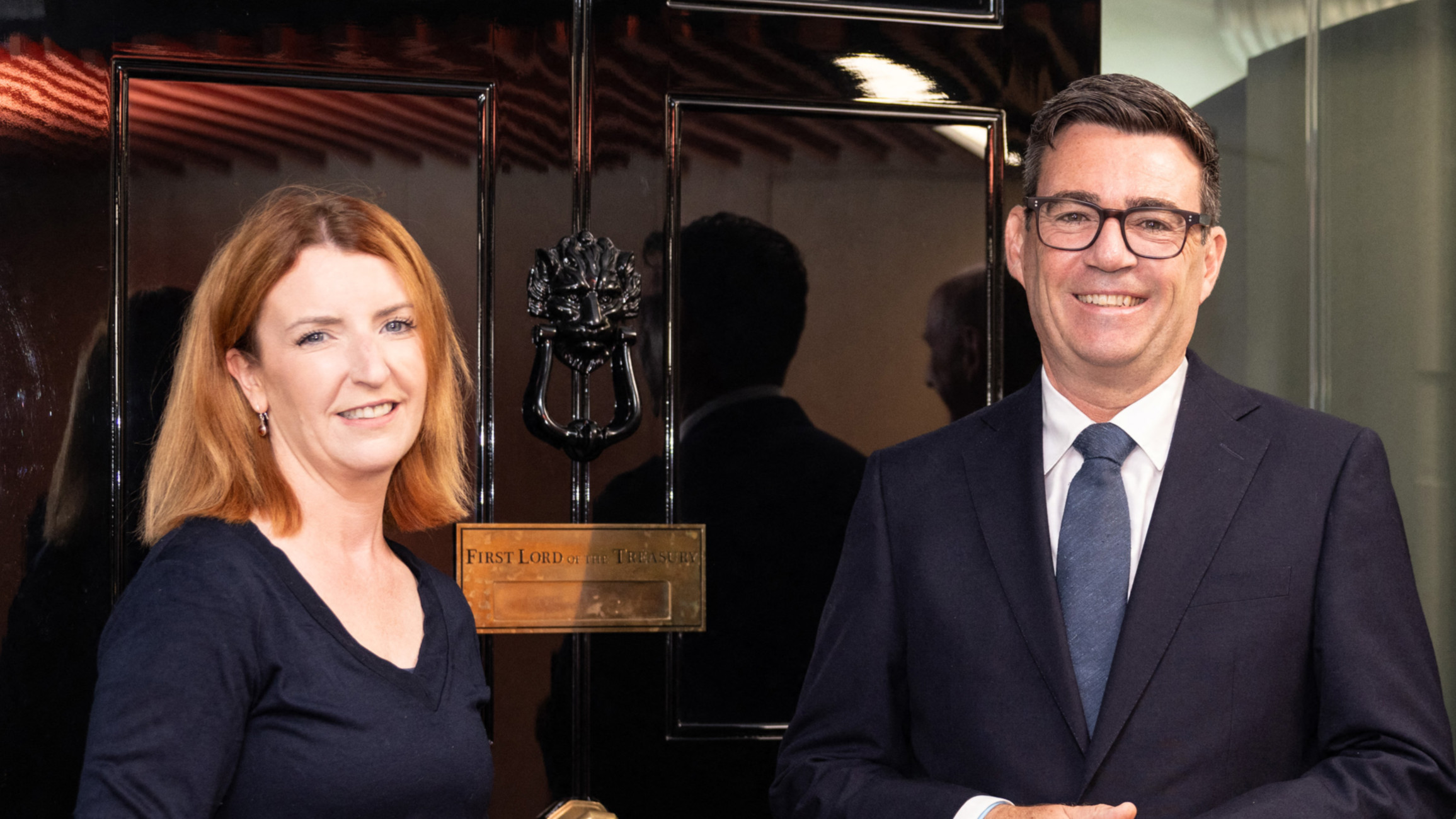
The new position was laid out publicly by Louise Haigh, UK First Secretary of State, during a keynote address to the annual Trade Union Congress (TUC) conference held in Brighton on Tuesday. Haigh, whose role includes oversight of the Prime Minister’s Office and cabinet operations, openly acknowledged that the UK had moved far too slowly to address the escalating humanitarian and political crisis unfolding across Gaza and the occupied West Bank.
“We will no longer stand by while innocent Palestinian families are torn apart, while innocent children are killed in Gaza and while the hope of a two-state solution evaporates before our eyes,” Haigh told assembled union delegates. She noted that since the outbreak of large-scale Israeli military operations in the besieged Gaza Strip in 2023, more than 21,000 Palestinian children have been killed, with an additional 1,400 Palestinian lives lost in the territory since the temporary ceasefire was agreed in October. Even amid the pause in hostilities, Haigh emphasized, the human cost of the conflict continues to mount.
Her comments came just one week after UK Foreign Secretary Ed Miliband made a landmark announcement that the British government officially recognizes Israel’s occupation of Palestinian territory as illegal, and unveiled sweeping new sanctions targeting all illegal Israeli settlements built on occupied Palestinian land. Haigh affirmed during her TUC speech that the new sanctions package represents a deliberate break from the UK’s past approach to the conflict. Crucially, she clarified that the punitive measures are targeted specifically at the infrastructure and operations of illegal settlements, not the Israeli public as a whole. “The Israeli people are not responsible for the actions of their government, so we are purposefully targeting the illegal settlements,” she explained. The ultimate goal of the sanctions, Haigh added, is to ramp up pressure on the Israeli government to reverse course and preserve the fading possibility of a negotiated two-state solution that delivers lasting peace to the Middle East. “We will stand against injustice. We will stand up for peace. We will build a coalition of international partners to speak with one voice and remind the world who we are,” she said.
Miliband expanded on the details of the new sanctions regime during a parliamentary address last week, outlining that the core measure will be a full import ban on all goods produced in illegal Israeli settlements, preventing these products from entering UK retail channels. “I do not believe the British people want us supporting the occupation by accepting products from settlements in our shops and supermarkets,” Miliband told lawmakers. Beyond the import ban, the UK will implement a comprehensive sanctions framework that includes targeted penalties against specific companies and individuals that provide key services for settlement expansion, including construction, infrastructure financing, and real estate development. “So to those who finance or facilitate illegal settlements, let me say this: you will face the full force of UK sanctions. Settlements are illegal. They should not be promoted in our country,” the foreign secretary stated, adding that the new regime will include narrow, appropriate religious exemptions to avoid unnecessary disruption to religious communities.
The UK’s policy shift is not an isolated action. Eleven other European and North American nations—including Canada, Denmark, Finland, France, Iceland, Ireland, Norway, Poland, Portugal, Spain and Sweden—joined the UK in signing a joint statement affirming their shared commitment to introducing national trade restrictions on illegal settlement goods or supporting broader European Union-level restrictions, with some nations actively evaluating additional measures aligned with their own domestic legislative procedures.
Israel has responded to the new UK policy with swift and punitive diplomatic measures. Israeli Foreign Minister Gideon Saar announced that Israel would shut down the British consulate general in East Jerusalem and bar 11 elected British members of parliament from entering the country, among other retaliatory sanctions. The Israeli Embassy in London also issued a formal public rebuke of the UK government’s statements, posting its criticism to the social platform X. The embassy argued that UK officials have presented a deeply one-sided account of the conflict that centers the Palestinian narrative while entirely ignoring the experiences of Jewish victims of terrorist attacks, including Israeli children who have been killed in violence. “Any serious discussion of the conflict must acknowledge the Israeli victims of Palestinian terrorism, and the ongoing struggle against those who deliberately target civilians. Ignoring these victims does not promote peace or justice; it creates a deeply distorted and one-sided picture of reality,” the embassy’s statement read.
This unprecedented break from decades of UK policy on the Israeli-Palestinian conflict marks a major shift in Western diplomatic alignment on the issue, as a growing bloc of Western nations moves to take concrete action against illegal Israeli settlements amid widespread international condemnation of the mounting civilian death toll in Gaza.