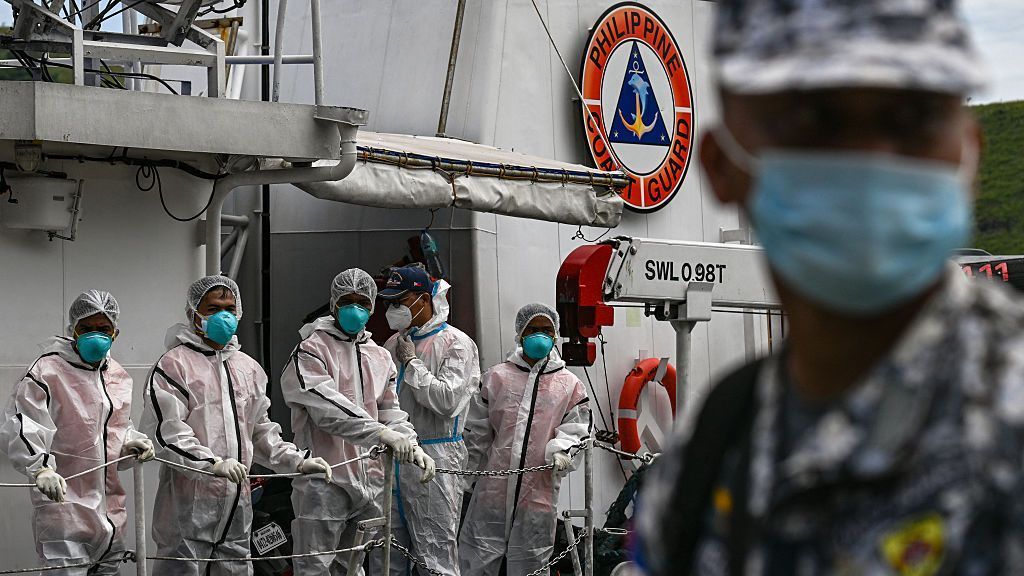
One week after a devastating cargo hold fire tore through the passenger ferry MV June Aster off the Philippine coast, local authorities are facing the grim, labor-intensive task of identifying the remains of 76 confirmed fatalities, a process that forensic officials warn could stretch from weeks to months. The disaster, which unfolded as the vessel sailed from Manila to the popular tourist hub of Coron in Palawan province, has left 13 people still missing and 43 survivors, many of whom have shared harrowing accounts of panic and escape from the rapidly spreading blaze.\n\nSpeaking to reporters on Sunday, Richard Allan Mangalip, a forensic specialist with the Philippine National Police, explained the primary challenge slowing the identification work: most recovered remains are heavily charred from the intense, prolonged fire that burned through the vessel for more than 40 hours. “We are pushing our full efforts to collect any potential identifying markers from the remains,” Mangalip said, noting that the large number of specimens has made it impossible to set a firm, fast deadline for the process. To assist forensic teams, authorities have requested that family members of missing passengers provide DNA samples and information about personal belongings that may help confirm identities.\n\nThe MV June Aster departed Manila last Tuesday on a routine voyage to Coron, a top tourism draw famous for its white-sand beaches and World War II-era shipwreck diving sites. The passenger manifest included a mix of international and domestic tourists, workers commuting to the island, and people traveling to visit family members. Survivor accounts collected in the days after the fire paint a picture of sudden chaos: many reported hearing a loud explosion seconds before smoke began billowing from the cargo hold, and the fire spread so quickly that passengers had only minutes to react before the entire vessel was engulfed. One survivor told the BBC that he was knocked to the deck and trampled in the panicked rush to escape, before managing to jump overboard into the ocean, where he waited hours for rescue.\n\nRescue and recovery operations were severely hampered by the conditions on board: the fire burned for more than 24 hours, generating extreme heat and toxic fumes that kept first responders from accessing the vessel for more than 40 hours. When teams finally were able to board, they found many remains clustered together in sections of the ferry, a grim reminder of how quickly the disaster overtook trapped passengers.\n\nIn an official statement released Sunday, the Philippine Coast Guard, which is leading the ongoing recovery and investigation, expressed its solidarity with those affected by the tragedy. “Our thoughts continue to be with the survivors and the families who are still waiting for word of their loved ones,” the statement read. “We understand the overwhelming pain and uncertainty they are living with every day as we work through recovery and identification, and we are committed to completing this process as thoroughly and expediently as possible.” A senior coast guard official confirmed Saturday that two parallel priorities are guiding the response: identifying all victims, and launching a full investigation to determine the root cause of the blaze.