LONDON — Days of travel chaos have hit the United Kingdom’s aviation sector after an unexpected technical failure at Britain’s national air traffic management provider forced mass flight cancellations, leaving thousands of passengers stranded and triggering growing political pressure over systemic vulnerabilities.
The disruption first emerged on Monday, August 28, when a glitch in the core flight processing system of National Air Traffic Services (NATS) — the public-private body that oversees all UK air traffic control operations — brought flight schedules across the country to a standstill. By Wednesday, the total number of canceled flights across UK airports had surpassed 1,750, with the ripple effects of the outage expected to extend through the rest of the week as airlines work to untangle the massive backlog.
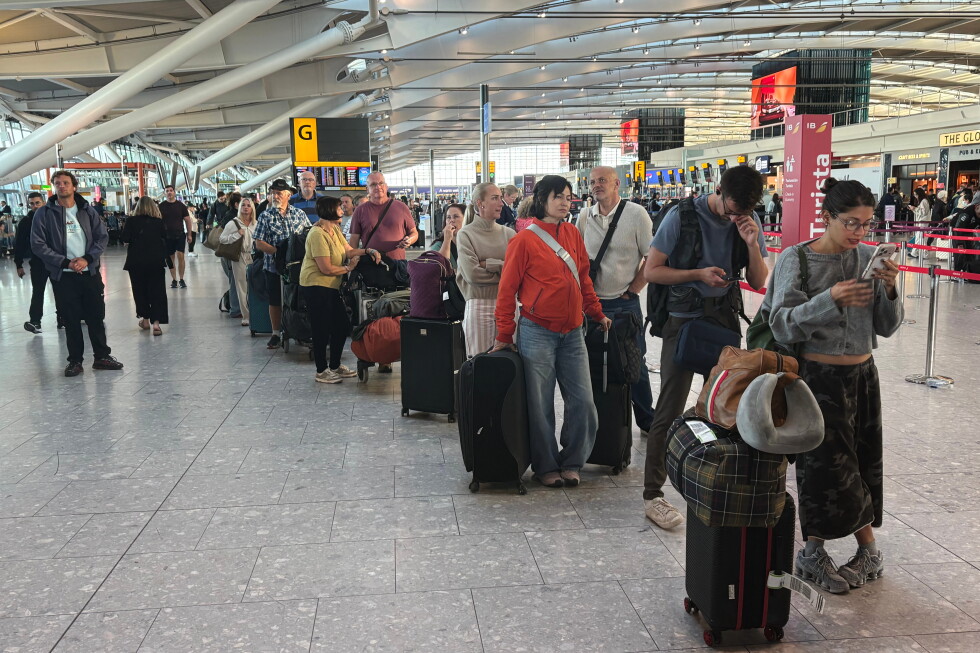
Thousands of travelers were stuck for hours on airport tarmacos and packed into overcrowded terminal buildings on Tuesday, with many unable to reach their destinations for planned work trips, holidays, or family visits. Even after NATS confirmed it had fully resolved the technical fault late Tuesday, airlines have faced a mammoth task to reposition hundreds of aircraft that were left stranded at incorrect airports after the mass cancellations, and rebook hundreds of thousands of displaced passengers. Delays continued to ripple across UK and European flight schedules through Wednesday.
In the wake of the disruption, top political and industry figures have demanded accountability. UK Transport Secretary Heidi Alexander announced Wednesday that she had summoned NATS Chief Executive Martin Rolfe to a face-to-face meeting to demand answers and assurances over future system resilience.
“I am seeking assurances that lessons will be learned and systems that support aviation are up to the job,” Alexander stated in a public post on social platform X, making clear that the government expects full transparency over what caused the outage and how future failures will be prevented.
Two of Europe’s biggest budget airlines, Ryanair and Wizz Air, have gone further, calling for Rolfe to step down. The outage marks the second major failure of the UK air traffic control system in just three years, a track record that carriers say signals unacceptable mismanagement of critical national infrastructure.
Rolfe responded to the criticism Wednesday, issuing a full public apology to travelers who faced disruption while defending the overall safety and performance of the UK’s air traffic network.
“Our job is also to make sure that people stay safe,” Rolfe told the BBC. “We never do this lightly. We only ever do it when there is an issue that cannot be resolved quickly, and we have to take action to make sure those who are flying, who are in the air at that time, are safe. And when we can restore these incredibly complex systems we do so as quickly as we can.”
He reiterated that the UK air traffic control system remains one of the safest and most efficient in the world, even as the sector continues to deal with the aftermath of the failure. As of Wednesday afternoon, airlines were still working to clear the backlog of stranded passengers, with many travelers facing waits of 48 hours or more for rebooked flights.