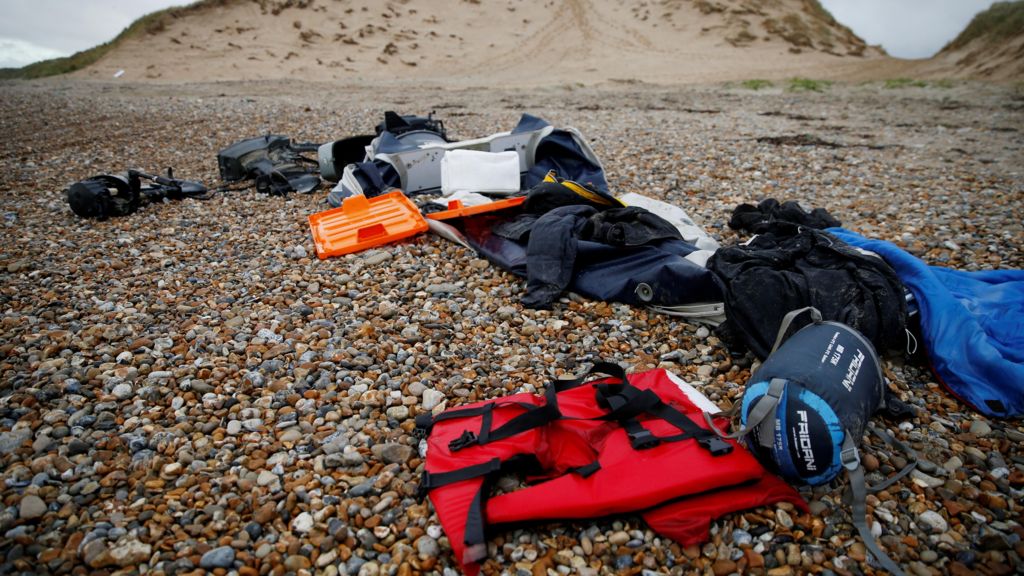
One of the deadliest migrant tragedies in modern English Channel history has moved into the French courtroom, with 14 alleged people smugglers facing trial over their alleged roles in a 2021 sinking that killed at least 30 people, including children.
The disaster unfolded on November 23, 2021, when an overloaded, unseaworthy motorized dinghy deflated and began taking on water mid-voyage between northern France and the United Kingdom. To reduce the vessel’s weight as it took on water, passengers jumped into the frigid Channel one by one, only to succumb to hypothermia and drown. Just two people on board survived the incident, which remains the deadliest small boat crossing disaster on record in the Channel.
Official charging documents detail that the defendants supplied an unsafe, low-quality vessel unfit for open sea navigation, overloaded it with passengers, and provided inadequate life jackets for the group. In the aftermath of the sinking, rescue teams recovered 27 bodies, while four additional people were never found and are officially confirmed dead. The victims came from multiple countries across the Middle East and Africa: the majority were Iraqi Kurds, with others from Somalia, Ethiopia, Egypt and Afghanistan. The youngest victim identified was just seven years old.
Most of the 14 defendants, who are mostly Afghan nationals, are being tried in court in Paris. They face two key charges: manslaughter and facilitating illegal immigration as part of a structured criminal network. The two alleged ringleaders of the smuggling operation are still at large and are being tried in absentia. The vast majority of the accused have rejected all charges brought against them. Many claim they are also migrants themselves, and argue any involvement they had was under coercion from the actual senior organizers of the crossing.
Family members of the deceased traveled to Paris to attend the opening of the trial, which is scheduled to run for three weeks. Emmanuel Daoud, a lead lawyer representing multiple victim families, condemned the smuggling network for what he called deliberate, cynical disregard for human life. “Migrants are not sailors,” Daoud told reporters outside court. “The smugglers know perfectly well what they are doing. They take the deliberate, conscious risk of sending migrants to their deaths.”
Beyond the charges against the accused smugglers, the tragedy has sparked official investigations into response failures on both sides of the Channel. Questions remain about why rescue agencies did not intervene sooner, despite multiple distress calls from the foundering vessel. In France, seven military personnel, including staff at a maritime rescue coordination center and crew of a French navy vessel, are currently under judicial investigation over potential charges of failing to assist people in danger. A judge will later decide whether these personnel will stand trial.
A separate official inquiry conducted in the United Kingdom uncovered systemic gaps in the British response: the HM Coastguard station in Dover was operating with limited capacity due to long-term chronic staff shortages, a scheduled surveillance aircraft was not deployed because of poor weather, and rescue staff broadly held the assumption that migrants calling from small boats often exaggerated their level of distress, leading to a dangerous underestimation of the emergency.