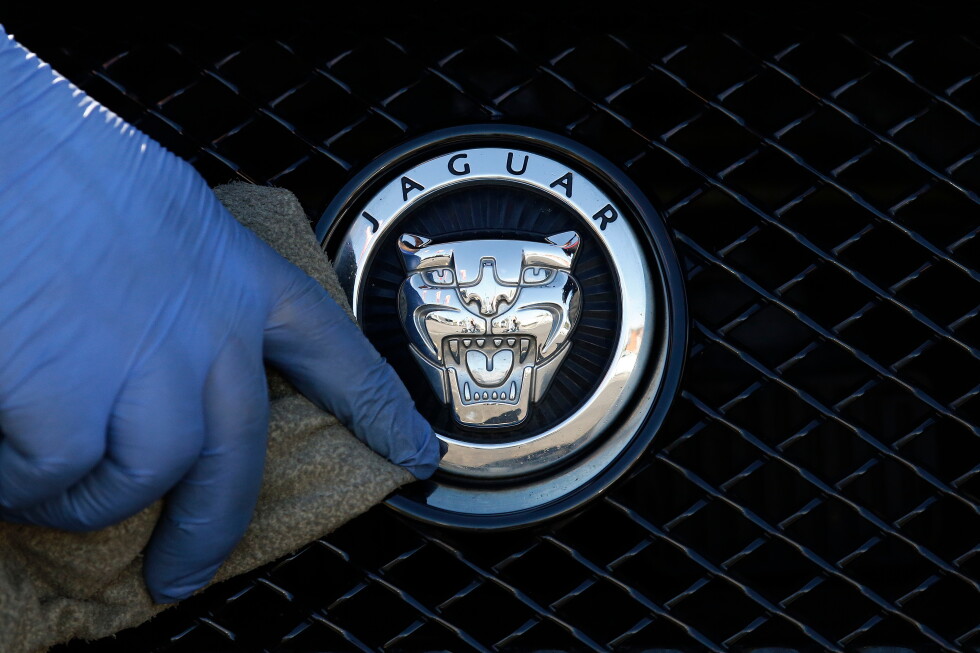
LONDON – In a landmark restructuring move announced Monday, iconic British luxury automaker Jaguar Land Rover confirmed plans to eliminate 4,000 positions from its global workforce over the next two years. The cuts are a core part of a sweeping cost-saving strategy designed to free up £1.7 billion ($2.3 billion) to strengthen the company’s competitiveness as the entire global automotive industry accelerates its shift from internal combustion engines to battery-powered electric vehicles.
Jaguar Land Rover Chief Executive Officer PB Balaji framed the difficult decision in the context of unprecedented industry headwinds in a formal statement. “The automotive industry faces significant challenges, with rapid technological change unfolding alongside cutthroat competition and persistent geopolitical uncertainty,” Balaji said. He added that the cost reductions and workforce restructuring would allow the company to funnel between £15 billion and £18 billion ($20 billion to $24 billion) into electrification, digital innovation and other critical priority areas over the coming five years.
Best known for its luxury lines including Range Rover, Discovery and Defender SUVs, the automaker has accumulated mounting pressure from multiple directions in recent years. In addition to rising input and operational costs across global supply chains, the company has faced growing competition from more affordable electric vehicle manufacturers based in China, which have rapidly expanded their market share in key regions across Europe and North America. It has also absorbed ongoing economic fallout from tariffs imposed during the administration of former U.S. President Donald Trump, which have raised costs for the company’s exports to the critical American market. Compounding these challenges, a major cyberattack in 2023 forced the company to suspend production across most of its facilities for a full month, delivering a significant blow to annual sales volumes.
Owned by India’s Tata Motors, Jaguar Land Rover maintains its largest manufacturing footprint in the United Kingdom, where it employs roughly 34,000 workers. Company officials confirmed that the majority of the planned job cuts will fall on operations based in the U.K. Despite widespread industry speculation about potential government support, Downing Street made clear Monday that it has no plans to offer a government bailout to the automaker, even as it acknowledged that challenging market conditions are impacting automotive manufacturers across the globe.