A week of escalating open conflict between the United States and Iran has sent ripples through global energy markets and heightened fears of a wider regional confrontation, after a six-week ceasefire formally expired last month and fighting reignited rapidly. The latest cycle of violence sparked last Sunday, when US forces resumed targeted strikes against Iranian assets just days after the truce ended — breaking a period of relative calm that had failed to translate into lasting diplomatic progress after six months of ongoing war that began in February.
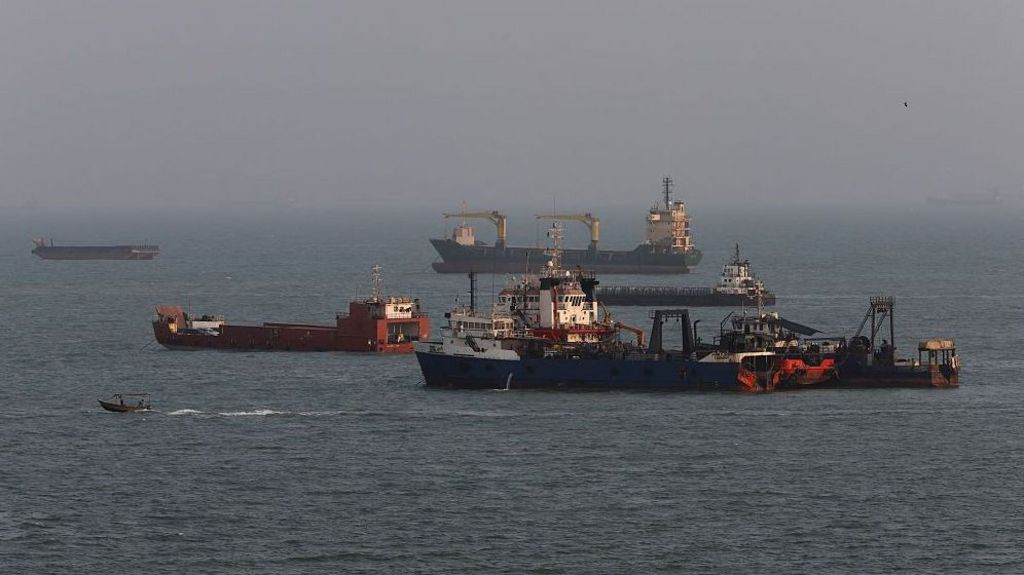
On Saturday, US Central Command (Centcom) publicly released combat footage documenting recent US strikes on oil tankers linked to Iran. The strike operation came one day after Washington confirmed it had targeted the vessels in retaliation for Iranian attacks on US warships operating in regional waters. The BBC has reached out to Centcom for additional detail on the strikes, but no further comment has been provided as of publication.
Top Iranian officials have issued sharp, urgent warnings in response to the US actions, promising severe retaliation as tensions spike. Iran’s top nuclear and diplomatic negotiator has cautioned that any further US attacks will be met with “a faster, heavier, and more painful response” that will reshape the conflict. Speaking Sunday through Iranian state media, Parliament Speaker Mohammad Bagher Ghalibaf emphasized that Washington must recognize “before it is too late” that the “rules of the game have changed” amid the escalating hostilities.
In a separate development reported by Iranian state media Sunday, the Iranian Navy claimed it had attacked a US remote-controlled unmanned vessel that attempted to enter Iranian territorial waters near the strategically critical Strait of Hormuz. Centcom spokesperson Captain Tim Hawkins rejected the assertion outright, telling the Associated Press that the claim from Iranian state media is “a total lie.”
US leaders have doubled down on their own aggressive rhetoric in response to Iranian warnings. US Defense Secretary Pete Hegseth issued a blunt threat via social media Saturday, stating: “It’s simple: if Iran shoots at US ships, we will destroy (and sink) their oil tankers.” US President Donald Trump, who is facing political pressure ahead of November’s midterm elections tied to soaring domestic energy costs, has downplayed the duration of the renewed conflict, claiming this week that the expanded fighting will not last “too long” — a repeated talking point he and his administration have used since the war began six months ago.
Months of bilateral negotiations between Washington and Tehran have failed to produce a durable ceasefire or comprehensive peace agreement, and there are currently few indicators that a new diplomatic breakthrough is imminent. The 40-kilometer Strait of Hormuz, the world’s most critical chokepoint for global oil and natural gas exports, has remained effectively closed to most commercial traffic since the start of the war, giving Iran significant strategic leverage over global energy markets. Tehran has repeatedly stated it will not cede partial control over the waterway, while Trump has insisted the strait must remain “open” and has deployed US military assets to assist commercial vessels navigating the southern alternate route.
The closure and ongoing conflict around the strait has already driven a sharp spike in global energy prices, creating political headwinds for Trump ahead of the November midterms. As of Friday, the average retail price of one gallon of diesel in the US hit $5.85, a massive jump from the $3.71 average recorded one year prior. On Sunday, US Energy Secretary Chris sought to ease market and public anxiety, telling CNN that approximately 9 million barrels of oil are now moving through the strait daily, when combined with volumes moving through regional overland pipelines. Wright noted that current flows are “probably two-thirds or more of pre-conflict levels,” which could help ease upward pressure on global energy prices. In an additional interview with ABC This Week Sunday, Wright added that US consumers can expect gas prices to begin declining as peak summer travel demand fades following the upcoming Labor Day holiday.