A U.S.-headquartered non-profit legal organization is moving forward with threatened litigation against the United Kingdom’s HM Revenue and Customs (HMRC), claiming the British tax body has systematically allowed agricultural goods produced in Israeli-controlled occupied territories to enter the UK market without required tariffs, according to an exclusive report from Sky News.
Leigh Day, the London-based law firm retained by the Global Echo Litigation Center, submitted a formal letter of claim to HMRC back in July laying out the organization’s allegations. The core complaint centers on the fact that goods grown in Israeli settlements established in the occupied West Bank, the Gaza Strip, and the Syrian Golan Heights have been flowing into the UK in direct violation of existing European and British trade regulations. The four-year investigation conducted by Global Echo uncovered widespread mislabeling: many products marked as originating from Israel were actually cultivated in illegal settlements located in occupied Palestinian and Syrian land, breaking UK rules that mandate clear labeling of settlement-origin goods to prevent consumer deception.
While the UK maintains a full free trade agreement with the State of Israel that grants preferential zero-tariff treatment to eligible Israeli goods, products manufactured or grown in Israeli settlements outside of Israel’s 1948 Armistice Lines do not qualify for these tariff breaks under both UK and international trade law. The letter, which has been reviewed by Sky News, argues that HMRC has failed to implement adequate protocols to verify the true origin of imports coming from Israeli entities, calling the existing verification system “fundamentally flawed.” This systemic failure, the complaint asserts, has allowed settlement-produced goods to unlawfully access the UK market with reduced or zero import duties, giving these products an unfair price advantage over legitimate imports.
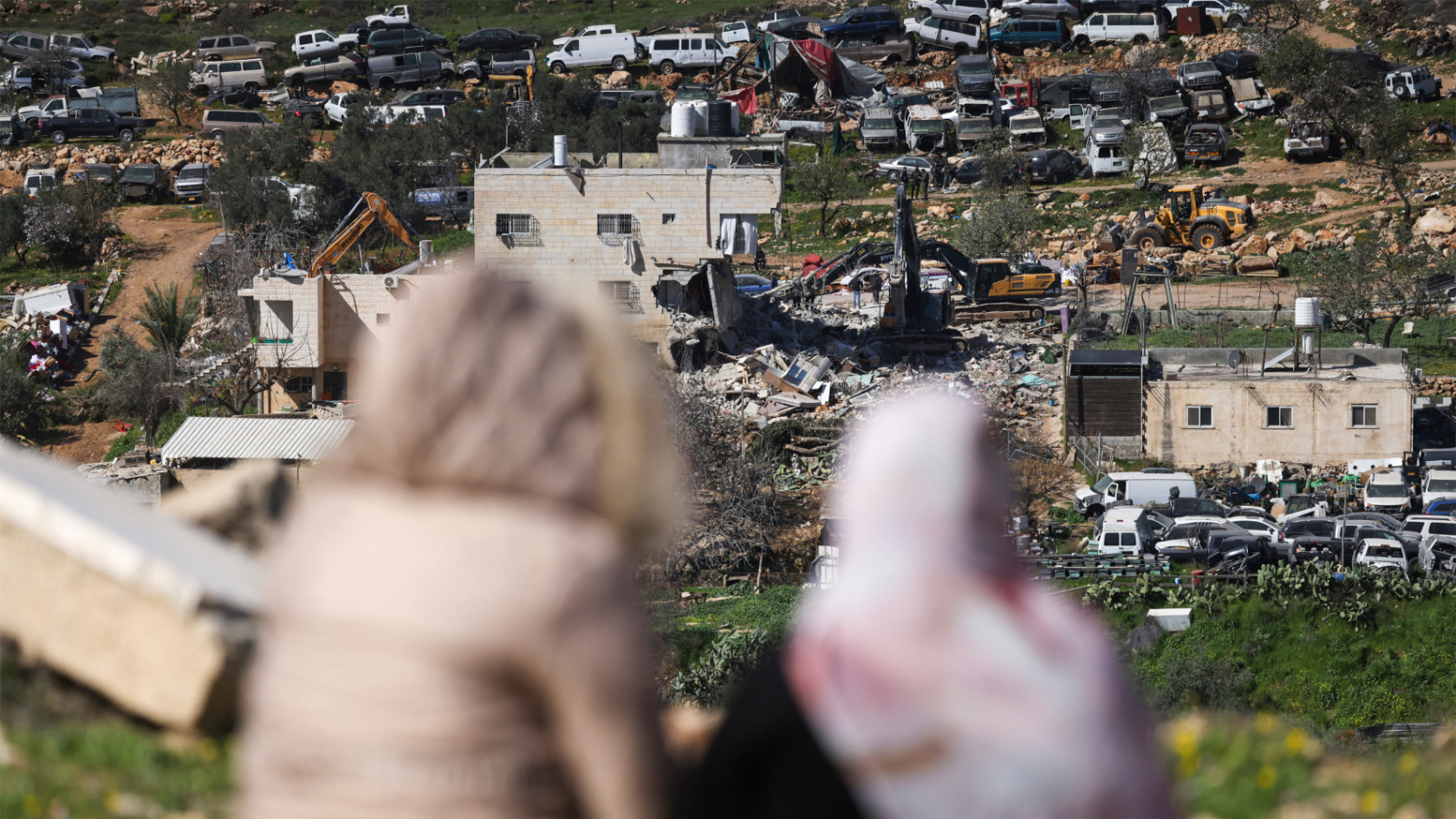
The legal challenge comes amid growing public and political pressure on the British government to take a harder stance on Israeli settlement expansion, which is classified as illegal under international law, and rising levels of violence perpetrated by Israeli settlers against Palestinian civilians in the occupied West Bank. Public opinion among UK political actors reflects this pressure: earlier this year, polling of members of the UK’s opposition Labour Party found that 87% of respondents support a full ban on imports of goods from Israeli settlements, with only 6% opposed to such a measure. In a separate report last month from independent outlet Middle East Eye, the Greater Manchester Combined Authority led by Mayor Andy Burnham is preparing to unveil a new set of policies targeting Israeli settlement trade this September, including a local ban on the purchase of settlement goods.
Global Echo’s comprehensive 8-year investigation, published in July 2024, analyzed more than 30,000 export documents covering thousands of Israeli shipments bound for the UK and European Union. The investigation’s findings were stark: one out of every six shipments examined contained agricultural produce originating from illegal settlements, and at least 42% of those shipments were incorrectly labeled as grown within Israel’s pre-1967 borders. An in-depth review of 355 commercial invoice declarations led investigators to identify five Israeli companies that regularly source produce from settlements while falsely declaring Israel as the country of origin, the letter noted.
Global Echo’s report detailed multiple common tactics used by these companies to evade origin checks. These include mixing settlement-grown produce with legitimate Israeli-grown goods in a single shipment, listing a settlement postcode for the production site while still declaring Israel as the country of origin, and using fake proxy mailing addresses located within Israel’s recognized borders to obscure the true production location. One particularly common loophole exploited by companies is listing their corporate headquarters, which are usually located inside recognized Israel, as the origin of the goods, rather than the specific agricultural production site that is required to be disclosed under trade rules.
In addition to demanding that HMRC correct its flawed verification process, Global Echo is calling on the tax authority to reclassify all imports declared as originating from Israel as high-risk goods, requiring enhanced, mandatory origin checks for every shipment to ensure full compliance with UK trade and labeling rules.