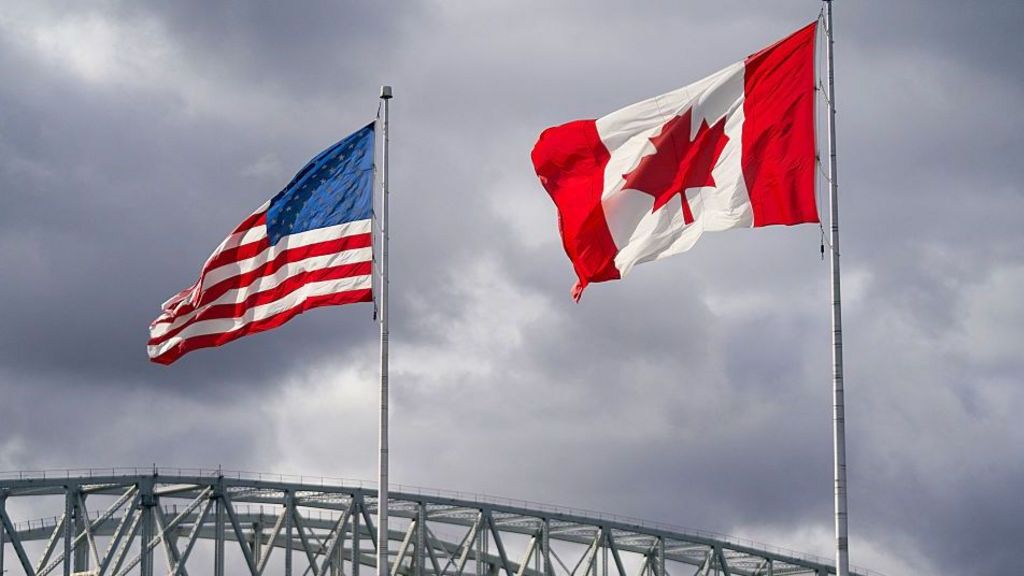
The ongoing trade tensions between the United States and Canada have entered a new phase of escalation, sparking widespread debate over how much leverage Ottawa actually holds to counter Washington’s trade measures. For decades, the bilateral trade relationship between the two North American neighbors has been deeply intertwined, with the United States long standing as Canada’s largest and most economically significant trading partner. This asymmetric dependence has led many analysts to prematurely write off Canada’s ability to push back effectively against aggressive US trade policies, arguing that the smaller Canadian economy would be unable to absorb the shock of further escalation.
However, such assessments overlook the unique structural advantages and strategic leverage that Canada brings to the trade dispute. Beyond its role as a key supplier of energy, agricultural goods, and critical manufacturing inputs to the US economy, Canada maintains diversified trade connections with other major global economies, from the European Union to the Indo-Pacific region, that allow it to offset some losses from US market disruptions. Additionally, Canada’s position within existing regional trade frameworks, including the United States-Mexico-Canada Agreement (USMCA), provides formal dispute resolution mechanisms that Ottawa can leverage to challenge unfair US trade actions, creating a structured avenue for pushback that many other trade partners do not enjoy.
Industry analysts also note that targeted countermeasures from Canada can create meaningful economic pressure on key US sectors that wield significant political influence in Washington. By placing tariffs on high-profile US exports that are produced in politically competitive swing states, Canada can incentivize domestic US industry groups to pressure the American government to de-escalate the conflict. While it is true that the US economy is larger and holds greater overall market power, Canada’s integrated position in North American supply chains means that disruptions caused by an all-out trade war would also carry significant costs for US businesses and consumers, creating a mutual deterrent that limits Washington’s willingness to escalate indefinitely.
As the trade conflict continues to unfold, the outcome will depend not only on economic size but on strategic negotiation, the willingness to leverage international institutional frameworks, and the ability of both sides to manage the domestic political costs of escalation. While Canada faces clear disadvantages in this asymmetric trade fight, it is far from powerless to defend its economic interests, and premature counts of Canada’s ability to push back are likely to prove inaccurate.