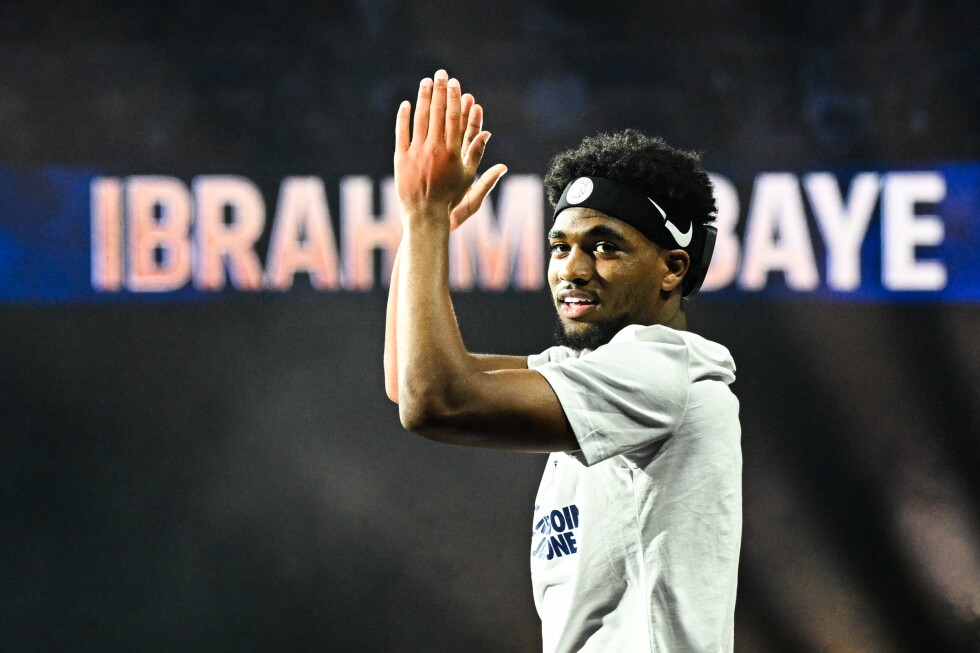
PARIS – On the final day of the 2025 summer transfer window, French Ligue 1 giant Paris Saint-Germain (PSG), a two-time European champion, confirmed its latest high-profile outgoing deal: promising Senegalese forward Ibrahim Mbaye will make a permanent move to English Premier League side Aston Villa. The transfer marks another milestone in the Parisian club’s dramatic strategic shift, moving away from its decades-long identity as soccer’s biggest spender to a new model focused on generating massive revenue through player sales.
This summer, PSG has outperformed every other top European club in transfer revenue generated from outgoing player moves, with cumulative earnings surpassing 400 million euros ($464 million). That figure puts it ahead of fellow big spenders Aston Villa and Manchester City of the Premier League, capping a wildly successful window for the club’s new commercial strategy.
Contrary to some fan concerns that PSG is selling off its core talent, club insiders emphasize that every player moved out this window, including Mbaye, was a rotational substitute under head coach Luis Enrique. Even the summer’s largest outgoing deal, the 145 million euro transfer of Bradley Barcola, fits this deliberate framework: the club has only offloaded players not central to Enrique’s starting XI plans, allowing it to cash in on valuable assets while keeping its core competitive squad intact.
A product of PSG’s renowned youth academy, the 18-year-old Mbaye has already built an impressive resume on and off the pitch for club and country. He has earned 15 senior international caps for Senegal, and earlier this summer at the World Cup, he made history as the youngest African player ever to score at the men’s World Cup, finding the back of the net in Senegal’s 3-1 group stage defeat to host nation France. Back in 2023, Mbaye became the youngest player in PSG history to make a Ligue 1 debut, stepping onto the pitch at just 16 years, six months and 23 days old. Over his time in the first team, Mbaye lifted eight major trophies with PSG, including two Champions League titles, two European Super Cups and two Ligue 1 crowns. Mbaye’s transfer package is valued at up to 60 million euros ($69 million), adding to PSG’s massive summer haul.
Beyond Mbaye and Barcola, PSG has offloaded a host of other squad players this window, including defender Noham Kamara, South Korean midfielder Lee Kang-In, striker Randal Kolo Muani and Portuguese forward Gonçalo Ramos. The club used less than 210 million euros ($243 million) of its transfer sales revenue to bring in new signings: Ferran Torres, Maghnes Akliouche, Mika Godts, Lucas Lucas, Lucas Digne and Alessandro Longoni. The result is a net capital gain of nearly 200 million euros ($232 million) from this summer’s transfer activity alone.
This strategic shift is a dramatic departure from the club’s approach for more than a decade. Since Qatar Sports Investments (QSI) completed its takeover of PSG in 2011, ownership spent lavishly to attract global superstars including Zlatan Ibrahimovic, Lionel Messi and Neymar, turning a mid-tier French club into one of the richest and most competitive sides in European soccer. The turning point came after Kylian Mbappe’s high-profile departure to Real Madrid in 2024, when Enrique pushed for a new recruitment model focused on signing less high-profile but high-potential talent to build depth across every position, creating healthy competition for starting spots and flexible squad rotation.
The overhaul has already delivered tangible on-pitch results: PSG has won consecutive Champions League titles under the new structure. Off the pitch, the financial results are equally impressive. PSG reported last October that it closed the 2024–25 season with a record 837 million euros ($970 million) in total revenue, a milestone that came on the back of the club’s first ever Champions League title. Since QSI’s 2011 takeover, the club’s annual turnover has increased ninefold, underscoring the long-term success of its evolution.