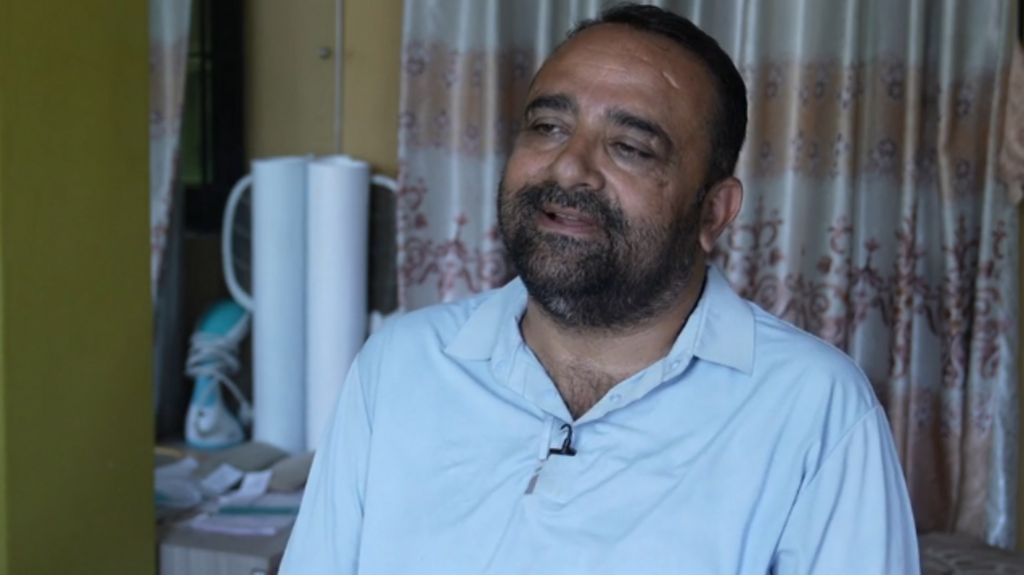
The deadliest flash floods to hit Nepal in recent memory have claimed hundreds of lives and left thousands missing, but a single quick decision by a local school principal has turned what could have been a mass tragedy into a story of survival.
Rajendra Dawadi, head of Tribhuvan Trishuli Secondary School in Nepal’s Nuwakot district, spoke exclusively to the BBC about the fateful morning that saw him evacuate his entire student body just 10 minutes before raging floodwaters swallowed the school campus.
At 09:10 local time, Dawadi received four consecutive warning calls about an impending flood surge down the Trishuli River. Minutes later, a parent arrived at the school in a panic to pick up his daughter, confirming the gravity of the threat. Recognizing that parental panic only comes with extreme cause, Dawadi did not hesitate: he ordered an immediate evacuation, directing all 900 students to run for higher ground and diverting student buses that had just entered the flood zone to turn back to safety.
“If we had waited just 10 more minutes, none of us – students and staff alike – would be here to tell this story,” Dawadi said in the interview. “I decided that even if the flood never came, the worst outcome would be losing one day of classes. Saving lives was the only priority that mattered.”
Dawadi’s split-second call proved to be life-saving. Within 10 minutes of the evacuation, mud and debris buried the entire school building. A hostel just 100 meters from the riverbank was engulfed instantly, and the local bazaar surrounding the school was completely swept away.
Sixteen-year-old student Yunisha Amatya, one of the pupils who escaped, recalled the chaotic final moments before the flood hit. Many students initially underestimated the danger, pausing to wait for classmates attending a mid-morning math lesson, and one pupil even fainted from shock when the evacuation was announced.
Yunisha and her friends scrambled up a steep hillside through a narrow escape path at the back of the school. “I escaped by just 10 seconds,” she said. “My friends had to help me climb uphill. Right in front of me, the entire bazaar washed away. People who tried to escape through the lower river route were swept away, I saw it happen.”
After reaching temporary safety a few hundred meters uphill, the group trekked to a nearby village. Cut off by washed-out roads and damaged transport links, they were stranded for two nights before rescue teams reached them. Both Dawadi and Yunisha, who live across the river from the school, were eventually airlifted to their home villages.
The hours after the flood were an agonizing wait for Yunisha’s family. Her father Yubaraj Amatya rushed to the school as soon as news of the disaster broke, only to find the Trishuli Bazaar already gone. Convinced his daughter had been killed, he continued calling her phone for nearly an hour with no answer. When the call finally connected, he and the relatives with him broke down in tears of relief.
“For three days we waited, barely sleeping,” said Yunisha’s mother Sabina Kumari Shrestha. “When we saw her walk through the door, the relief was overwhelming. We can’t ask for anything more than that.”
While the family is overjoyed at Yunisha’s survival, the disaster has left new uncertainties. With her school destroyed, Yunisha says she worries about continuing her education, and grieves the prospect of leaving her old friends behind if she is forced to transfer to a new campus.
As Nepal begins the long process of recovering from the disaster, which has so far killed at least 794 people and left 2,426 others unaccounted for, Dawadi says the tragedy highlights gaps in local early warning systems. He added that louder, more widespread alerts – including public sirens and standardized evacuation notifications – could help entire communities respond faster to future flood threats. Still, the headteacher says he remains proud of the outcome his quick decision enabled: hundreds of children got to go home to their families, when a slower reaction would have ended in catastrophe.
“Had I waited to dismiss school after our first class, nothing would be left but a ringing bell at 9:30,” he said.