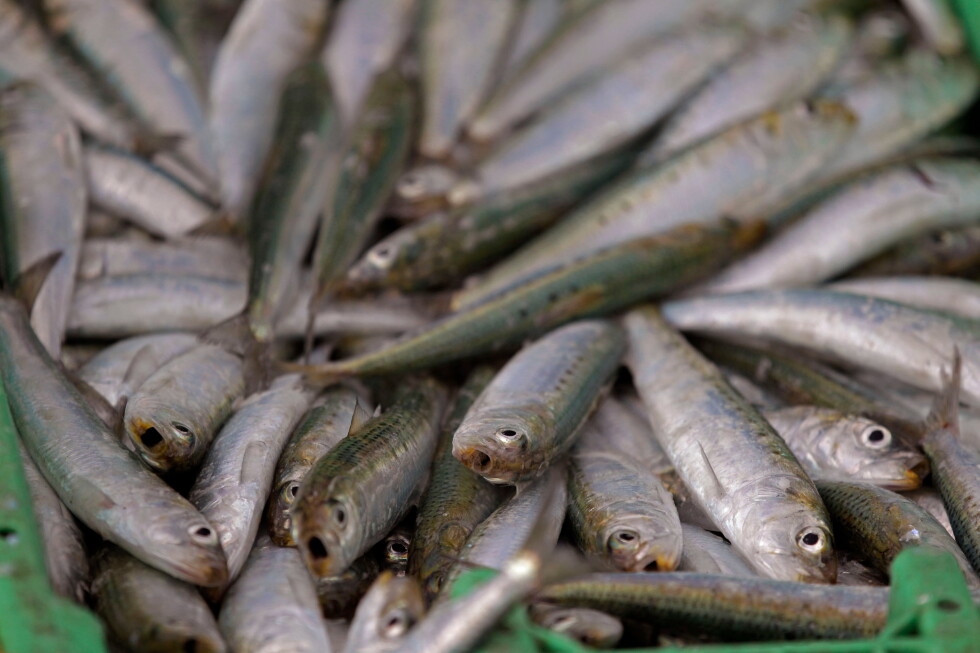
JOHANNESBURG — A mysterious and widespread mass mortality event involving thousands of sardines washing onto South Africa’s western and southern shorelines has left fisheries and environmental experts working to pinpoint the exact cause, with a newly identified fish herpes virus emerging as the primary suspect. This month’s unprecedented die-off has so far puzzled officials from South Africa’s Department of Forestry, Fisheries and the Environment, though researchers have already confirmed one groundbreaking finding: this marks the first recorded detection of pilchard herpesvirus (PHV) in sardine populations off the South African coast.
According to department statements, PHV is not a new pathogen to global marine science: the virus was connected to two separate large-scale sardine mortality events in Australian waters during the 1990s. When PHV infects sardines — which are the juvenile, smaller variant of pilchard, the same fish species — it triggers inflammation and thickening of the gill tissue. This physiological damage severely disrupts the fish’s ability to absorb oxygen from water, ultimately leading to suffocation and death.
Crucially, environmental officials have moved quickly to reassure the public that PHV poses no documented threat to human health. The detection of the virus in wild sardine populations does not render commercially caught fresh sardines or processed canned sardine products unsafe for human consumption, the department emphasized.
To unravel the full context of the die-off, research teams from the South African Institute for Aquatic Biodiversity and a local partner university have been conducting detailed analysis on dozens of samples collected from affected coastal areas, including both deceased and still-living sardines. Early test results have already revealed a clear pattern: dead sardines recovered from mortality event sites consistently showed very high viral loads of PHV, while surviving fish tested had widely varying levels of the virus.
Beyond PHV, researchers have explored a range of other potential contributing factors, including toxic harmful algal blooms, unusually cold offshore water temperatures, and widespread low-oxygen conditions in nearshore waters. Even with these alternative lines of inquiry, the department noted that accumulating evidence increasingly points to PHV as the leading explanation for the mass die-off.
Still, some independent marine biologists not involved in the official investigation caution that the viral detection may not explain the entire event. Dalene Vosloo, a lecturer in biological sciences at South Africa’s University of KwaZulu-Natal, noted that it remains highly plausible that multiple overlapping stressors combined to cause the large-scale mortality. She explained that shifts in water quality or unexpected temperature fluctuations can weaken fish immune systems, leaving them far more susceptible to fatal viral infection.
As the scientific investigation proceeds, the sardine die-off has already created unforeseen secondary disruptions to critical national infrastructure. Eskom, South Africa’s national power utility, confirmed that the Koeberg Nuclear Power Station — located north of Cape Town on the country’s west coast and the only operational nuclear power facility on the African continent — was forced to cut power output by 50% at one of its two generation units. The shutdown occurred after large volumes of dead sardines clogged the plant’s seawater intake pipeline, which draws cooling water for the reactor systems.