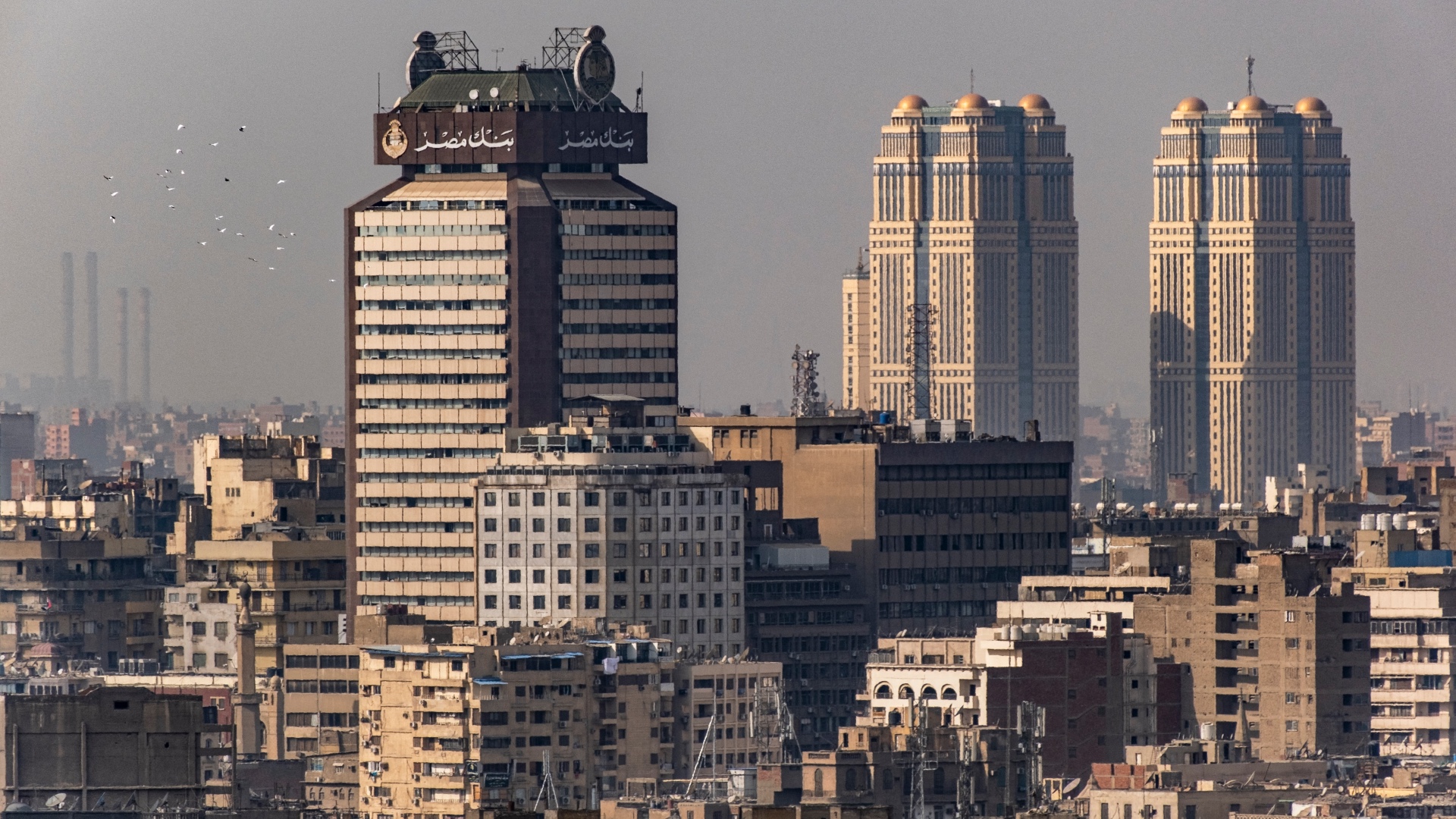
In a sharp escalation of its economic pressure campaign against Iran, the U.S. Treasury Department announced Friday sweeping new sanctions designed to cut key regional financial actors linked to Tehran out of the global dollar system. The action, framed by the administration as part of its broader push to neutralize what it calls Iran’s financial enablers, centers on cutting off the United Arab Emirates-based branches of Egypt’s second-largest financial institution, Banque Misr, from access to U.S. financial networks.
Under the proposed rule put forward by Treasury’s Financial Crimes Enforcement Network (FinCEN), Banque Misr UAE will lose its correspondent banking privileges that allow it to transact in U.S. dollars starting September 28. The proposal includes a 30-day public comment period, during which stakeholders can submit feedback for or against the measure, a step that could ultimately alter the final outcome of the designation. Treasury officials said the branch represents a critical access point for the Iranian regime to secure U.S. dollar holdings, justifying its removal from the global financial system.
The new sanctions campaign, dubbed “Operation Economic Outcast,” was first unveiled by Treasury Secretary Scott Bessent earlier this week as part of Washington’s broader efforts to squeeze Iran amid ongoing heightened tensions over the Strait of Hormuz. Following the implementation of the new rule, U.S. financial institutions will be required to implement enhanced due diligence for all cross-border transactions involving foreign correspondent accounts, and take reasonable steps to block any transactions connected to Banque Misr UAE.
Friday’s announcement also expanded sanctions to target Dubai’s local branch of Iran’s Bank Melli, one of the country’s oldest and largest commercial banks. Bank Melli functioned as Iran’s de facto central bank prior to the 1979 Islamic Revolution, and today maintains a sprawling network of branches across the Middle East and Europe. The U.S. also imposed direct sanctions on the branch’s manager, Reza Mohammad Taeedi. In its statement, Treasury noted that Bank Melli has long operated as a core financial hub for Iran’s military apparatus, including the U.S.-sanctioned Islamic Revolutionary Guard Corps-Qods Force and the Iranian Ministry of Defense and Armed Forces Logistics.
A third entity, Hong Kong-based Kameng Trading Limited, was also added to the U.S. sanctions roster for its alleged role in money laundering on behalf of a pre-existing sanctioned Iranian exchange house, Pedram Pirouzan Exchange House, which also operates under the alias Opal Exchange.
The sanctions, which touch on a Hong Kong-based firm amid deepening geopolitical ties between Beijing and Tehran, have sparked questions about potential impacts on U.S.-China relations, particularly ahead of Chinese President Xi Jinping’s planned state visit to the White House next month. China currently stands as the largest importer of Iranian energy exports. When asked about potential frictions on Monday, Bessent noted that the U.S. is pursuing quiet diplomatic outreach to align expectations with all global partners, saying, “We find that the best way to engage with countries is through quiet diplomacy, and we are level setting with every country to tell them our expectations.”