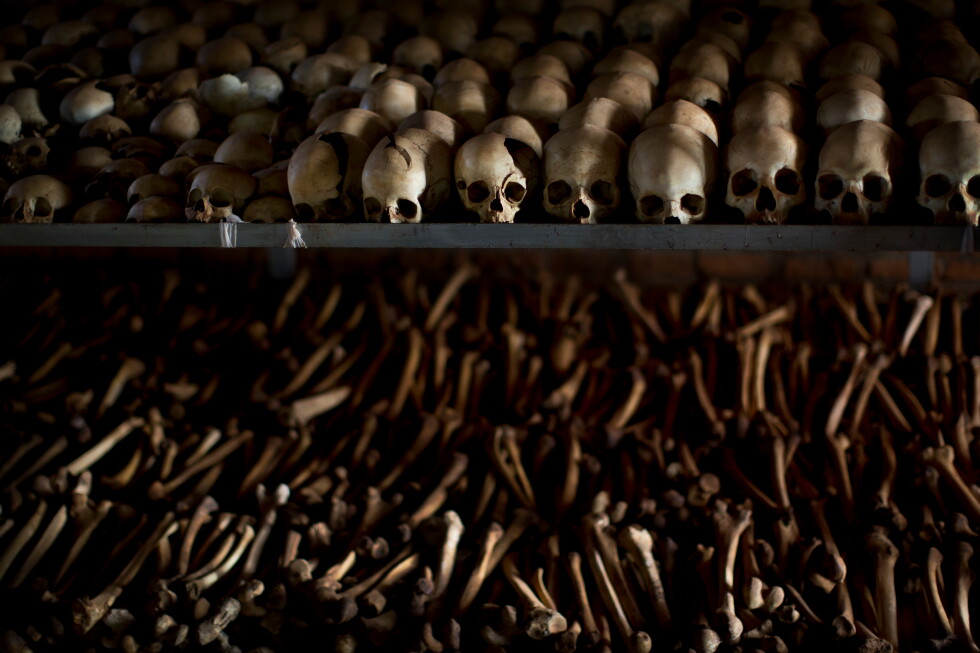
THE HAGUE, Netherlands — In a landmark ruling that closes a decades-long chapter of impunity for atrocities linked to Rwanda’s 1994 genocide, a Dutch court on Friday convicted a 66-year-old Rwandan man of participating in the mass killing campaign and sentenced him to life in prison. According to a written statement released by The Hague District Court following the verdict, the unnamed defendant played an active role in coordinated violent attacks across two majority-Tutsi communities. During these assaults, attackers looted and burned civilian homes, and the defendant himself directly threw a grenade into a large group of Tutsis who had sought refuge in a local soccer stadium. In its official ruling, the court emphasized that the defendant’s actions demonstrated a profound disregard for the fundamental value of human life and human dignity. Judges noted that a lifelong prison term was the only sentence proportionate to the unfathomable suffering the defendant inflicted on genocide victims and their surviving families. The 1994 Rwandan genocide, orchestrated by extremist Hutu political leaders, resulted in the systematic mass murder of more than 800,000 people, the vast majority of whom were ethnic Tutsis, alongside thousands of moderate Hutus who opposed the slaughter. In the decades immediately following the genocide, a United Nations-backed international war crimes tribunal was established to prosecute high-level perpetrators of the atrocities; that tribunal completed its mandate and ceased operations years ago, though many lower-level participants who fled Rwanda have faced prosecution in foreign national courts in the years since. After the genocide ended, the defendant fled Rwanda and built a new life in the Netherlands, where he was ultimately taken into custody and put on trial under Dutch national jurisdiction for war crimes and crimes against humanity. Friday’s conviction came after a multi-year investigation led by Dutch law enforcement, during which investigators and an examining judge interviewed more than 30 witnesses — the vast majority of whom still reside in Rwanda. Earlier this year, nine genocide survivors and immediate family members of victims traveled to the Netherlands to attend the trial proceedings, bringing their firsthand accounts of loss to the court.
A Dutch court convicts a Rwandan man over his home country’s 1994 genocide, sentences him to life