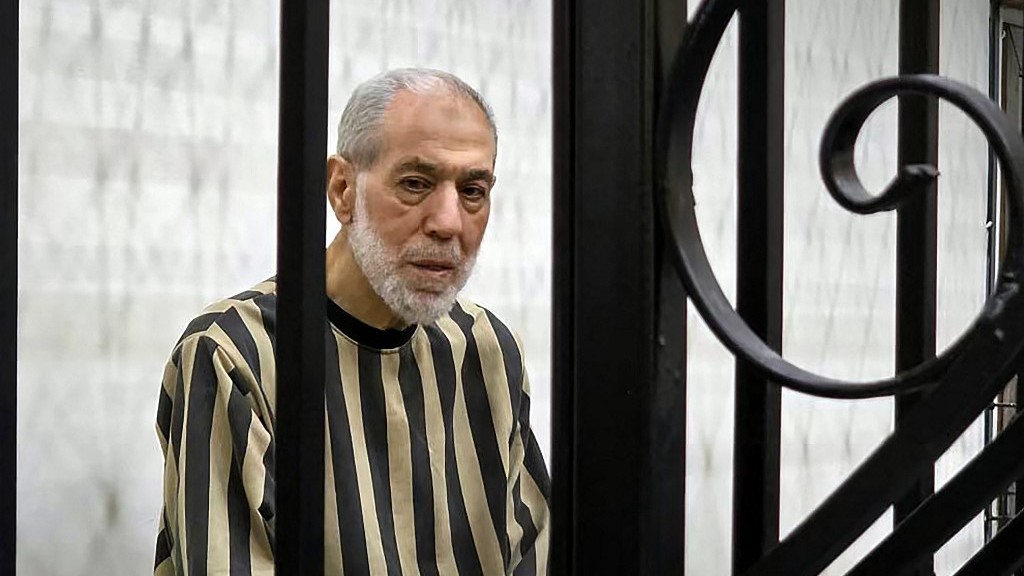
In a landmark legal ruling from Syria’s new transitional administration, a Damascus court handed down a life imprisonment sentence on Monday to Ahmed Badreddin Hassoun, the country’s top Muslim cleric for more than 16 years under ousted president Bashar al-Assad.
Hassoun’s conviction marks the 10th guilty verdict issued against a senior figure from the fallen Assad regime, and follows his arrest at a Syrian airport in March 2025, where authorities detained him as he attempted to flee the country. The court found Hassoun guilty on a sweeping array of charges, including abuse of his high religious office, stoking sectarian and racial division, inciting civil conflict, and direct participation in extrajudicial killings. Additional charges carried stacked sentences ranging from three to 20 years, and the court ordered the full confiscation of all of Hassoun’s personal assets.
Throughout his decades-long tenure as Grand Mufti, Hassoun was a close public ally of Assad, who fled Syria in December 2024 as opposition forces swept through the country and brought his 50-year family regime to an abrupt collapse. The regime’s fall ended a 13-year civil war that began when Assad’s government cracked down on pro-democracy protests in 2011. The conflict left more than 500,000 Syrians dead, and displaced more than 6 million people both internally and across international borders.
Hassoun’s conviction is the latest in a series of legal actions against former regime leaders. In August of this year, a Syrian court sentenced Assad to death in absentia, alongside his brother Maher and five former senior security officials, for crimes against humanity committed over the course of the civil war. Two more former Assad associates—ex-security official Atif Najib and Wassim al-Assad, a cousin of the ousted president—were also sentenced to death in that same ruling, after being taken into custody by the new government.
Today, Syria is led by Ahmed al-Sharaa, a former opposition commander who got his start in extremist groups including al-Qaeda’s Nusra Front and the Islamic State. Since taking office, al-Sharaa has actively sought to distance himself from these extremist origins, and has moved to align the new transitional government closely with the United States and regional power Turkey, as the country works to rebuild after more than a decade of devastating conflict.