Against a backdrop of cooling national property prices and broad cost-of-living pressures that have squeezed household budgets across Australia, new consumer spending data has revealed an unexpected resilience in discretionary spending that is putting the Reserve Bank of Australia’s (RBA) rate cut outlook to the test.
Data compiled by Commonwealth Bank of Australia (CBA), drawn from transaction records of more than 7 million of its retail customers, shows overall household spending climbed 0.6% in July, marking the second consecutive monthly gain. Ten of the 12 tracked spending categories recorded growth, with non-essential discretionary spending driving most of the uptick. Recreation spending led all categories with a 1.1% monthly increase, followed closely by hospitality spending which rose 1.0% over the same period.
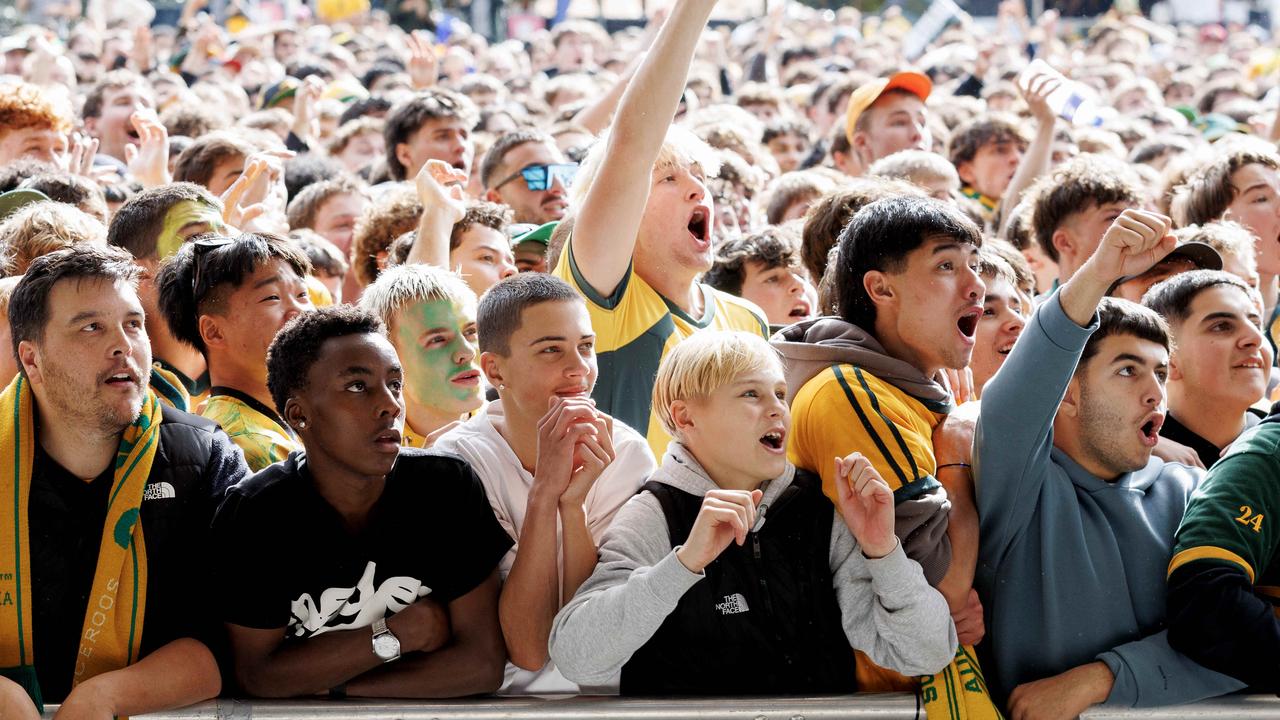
CBA economists attribute this surprise growth in discretionary outlays to a sustained shift among Australian households toward prioritizing experience-based spending, a trend that held strong even in the face of broader budget pressures. July’s packed calendar of major global and domestic events, including the men’s FIFA World Cup and the wide release of the blockbuster film *The Odyssey*, gave an extra boost to spending on leisure and hospitality. Household goods spending also saw solid gains, supported by targeted promotional campaigns across major Australian e-commerce marketplaces.
“Despite ongoing pressure on household balance sheets, families continue to carve out space in their budgets for discretionary experiences,” explained Ashwin Clarke, CBA’s senior economist. “This strength in non-essential spending signals that households are still willing to open their wallets rather than hunker down and build up savings. That definitely raises the risk that consumer spending will not cool as quickly as the RBA has projected.”
Even with the current uptick in consumption, year-to-date spending growth remains weaker than the pace recorded in 2025. Clarke noted that while near-term spending has held up better than expected, long-term headwinds including slowing wage growth, declining property values, and still-elevated inflation are expected to drag on consumption growth in the coming quarters. “We still expect household spending to slow, it just may take longer than initially projected,” he said. “The underlying fundamentals for household consumption are fairly weak. But if spending fails to decelerate over the next six months in line with the RBA’s forecasts, it will leave the central bank uncomfortable and could prompt it to consider another interest rate hike to dampen demand.”
Clarke added that the current strength in discretionary spending has been partially enabled by temporary easing in costs for essential goods and services: “We’ve also seen a growing number of listed consumer firms note in recent earnings outlooks that more shoppers are becoming value-conscious, hunting for discounts and trading down to cheaper alternatives. On top of that, weaker spending on essentials, particularly utilities, plus temporary lower fuel prices in recent months, have freed up small amounts of room in household budgets for leisure spending.”
The surprise spending surge comes as Australia’s property market continues to cool faster than most analysts predicted. National home prices fell 0.7% in July, the steepest monthly decline recorded nationwide since December 2022. ANZ economists Madeline Dunk and Adam Boyton project that capital city property values will drop 4.3% across the 2026 calendar year, followed by a further 3.4% decline in 2027. Sydney, Australia’s largest property market, is forecast to see prices drop as much as 14.5% from their recent peak.
Clarke said falling property values are one of the key factors that will likely drag consumer spending lower moving forward. “Income growth has been slowing for the last several quarters, and we expect that trend to continue, especially with persistent inflation and the lagged economic impacts of global conflicts,” he said. “History shows that when housing prices decline, households tend to pull back on spending. Falling equity in their biggest asset makes consumers feel less wealthy, and lower transaction volumes in the property market also cut related spending on moving, renovations and new household goods. Combined, these factors will almost certainly slow consumption.”
The latest CBA spending data aligns with recent commentary from RBA deputy governor Andrew Hauser, who warned this week that inflation remains well above the central bank’s 2-3% target band, and demand across the economy needs to cool further to bring price growth under control. The RBA has raised interest rates three times already in 2026 to dampen excess demand.
“Monetary policy needs to bring inflation down, which is why we have raised rates three times this year, but it can only achieve that by reducing pressure on capacity and demand across the economy,” Hauser told the Queensland Futures Institute Annual Regions Summit in Brisbane. “That means slightly slower growth in consumption, slightly slower growth in employment. We’ve seen a little bit of that progress so far, but we are going to need to see more to get inflation back to target. This is not a slump, not a depression, but it will be slower growth than we have seen in the past.”
Hauser reiterated the RBA’s dual mandate to keep inflation between 2 and 3% while maintaining full employment, adding that domestic demand remains a key contributor to ongoing price pressures. “Inflation is too high,” he said. “Everywhere you look people say prices are too high, cost pressures are too strong. While some of that is driven by global factors, some of it does come from domestic demand here in Australia.”