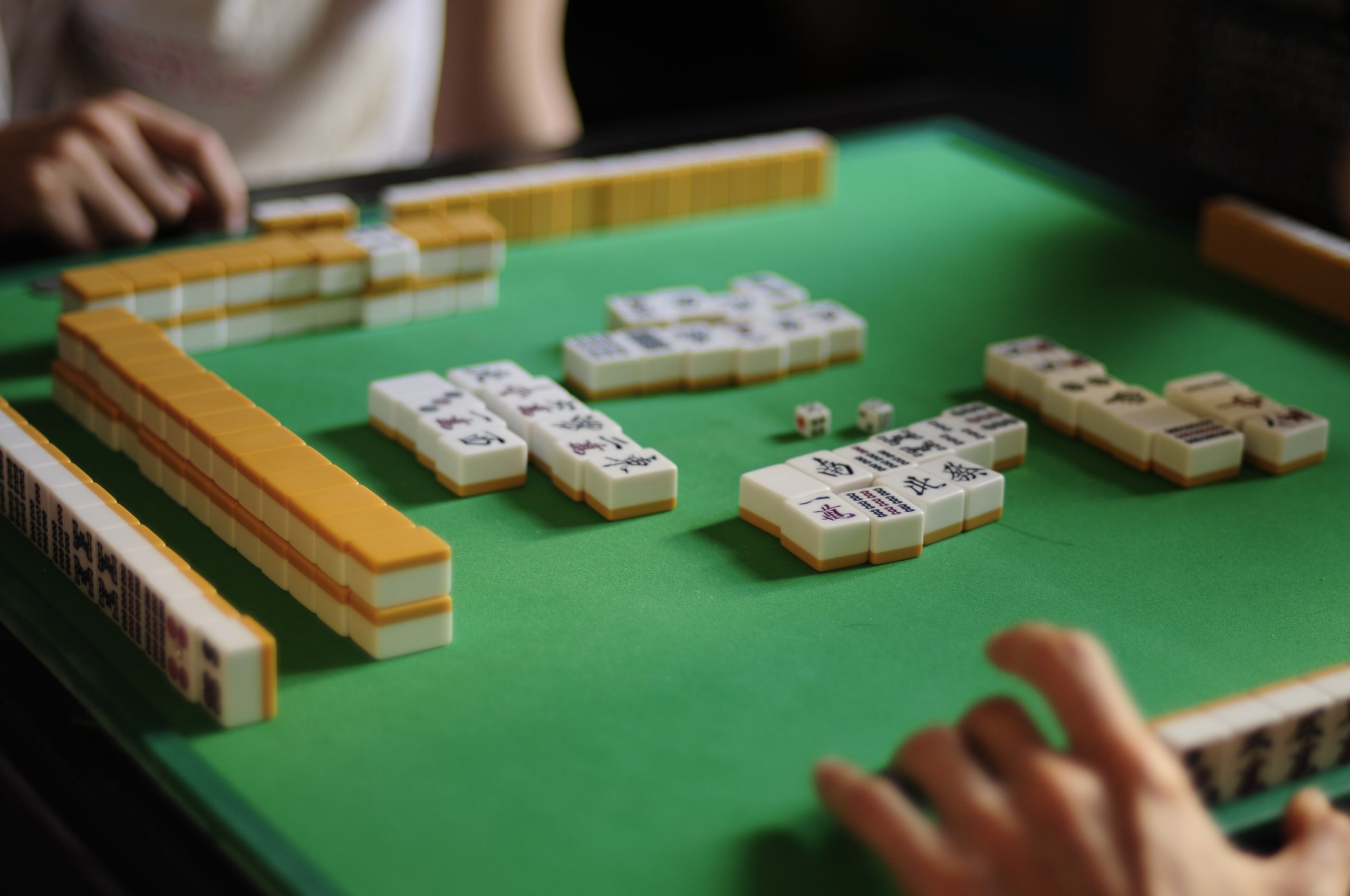
The centuries-old Chinese tile-based game of mahjong is experiencing an unprecedented global renaissance. From designer-branded tile sets to viral social media ‘mahjong parties’ and a rapid expansion of community clubs and beginner classes across Western countries, this traditional pastime has reemerged as one of the hottest lifestyle trends of the 2020s. But its newfound mainstream popularity has sparked urgent conversations about cultural exchange, commercialization, and the responsibility to honor its Chinese roots as it becomes a global commodity.
Mahjong traces its origins to the eastern coastal region of 19th century China, during the final decades of the Qing Dynasty. While scholars continue to debate its exact creation story, most agree the game evolved from much earlier tile-based gaming traditions that existed across China for centuries. By the early 1900s, mahjong had spread across the entirety of China before making its way overseas, gaining early footholds in the United States, France, and the United Kingdom.
During this first international boom, American retailers like Abercrombie & Fitch led commercialization efforts to market mahjong to Western consumers. However, as historian Heather Lynn Heinz notes, that commercial success would not have been possible without the critical contributions of Chinese manufacturers, trade networks, and cultural insiders. Chinese merchants and community leaders imported and sold mahjong sets, and personally taught thousands of white American players the rules of the game – yet these foundational contributions have been largely erased from popular narratives of mahjong’s early history in the West, as captured in a 1924 Library of Congress photograph of young Chinese boys hand-engraving mahjong tiles for export.
At its core, traditional mahjong is a four-player strategy game played with 144 tiles, where participants draw and discard tiles to complete a winning hand. Success relies on a mix of strategic thinking, probability calculation, memory, and the ability to read opponents’ moves, but the social, connection-focused element of the game is just as central to its enduring appeal as the gameplay itself.
Today, more than 40 distinct regional variations of mahjong are played across the world, each with unique rule sets, tile counts, and winning conditions. Iconic Chinese variants including Cantonese and Hong Kong-style mahjong differ dramatically from adaptations like Japanese riichi mahjong. One of the most distinct Western iterations is American Mah Jongg, which was developed during the 1920s boom, incorporates unique joker tiles not found in traditional sets, and adopted the double-g spelling as a commercial branding choice. It was eventually standardized by the National Mah Jongg League, which still oversees tournament play today. In the current revival, American Mah Jongg leads growth in the U.S., while newer clubs like Australia’s Lucky Tiles focus on introducing new players to traditional Hong Kong-style play.
Within China, mahjong’s history has long mirrored larger societal shifts. During the late Qing and Republican eras (1912–1949), the game transitioned from male-dominated gambling spaces like teahouses and brothels into middle-class and elite private homes, becoming a core part of women’s social gatherings – a shift that reflected changing gender norms and attitudes toward leisure in early 20th century China. Even at points throughout history when critics labeled mahjong a vice tied to gambling and excessive leisure, particularly as it grew in popularity among women, those criticisms never erased its deep cultural roots. Today, mahjong remains a staple of Lunar New Year celebrations and everyday social gatherings in households across China and the Chinese diaspora, where it serves as a tool for intergenerational connection and preserving cultural identity for overseas communities.
So what is driving mahjong’s unexpected 2020s boom? Google search data shows consistent year-over-year growth in interest for “mahjong” and related terms, while rising media coverage has further accelerated its popularity. Multiple overlapping trends have fueled this resurgence: in the wake of global pandemic lockdowns, many people are actively seeking offline, in-person activities that foster genuine social connection, filling a gap left by years of remote interaction. Pop culture and social media have also played a major role, with many observers tracing the start of the current revival to the 2018 hit film *Crazy Rich Asians*, which featured a iconic high-stakes mahjong scene that introduced the game to millions of new Western viewers. Today, boutique lifestyle brands and social media influencers have rebranded mahjong as an aspirational lifestyle trend, framing fashionable mahjong game nights as an extension of the viral “Chinamaxxing” trend that embraces Chinese cultural aesthetics.
This commercial boom has reignited long-simmering debates over cultural appropriation, a tension that first emerged during the 1920s American mahjong craze. Back then, mahjong became a fad among wealthy white American women, who embraced what Heinz describes as an Orientalist framing of “feminine exoticism,” adopting stereotypical Chinese-inspired clothing and language to perform an imagined, romanticized version of Chinese culture – all at a time when anti-Asian prejudice and strict immigration restrictions were escalating rapidly across the United States.
Philosopher James Young argues that cultural borrowing is a natural part of human societal development, and is not inherently unethical. The key questions, he says, are whether the origin of a cultural practice is properly acknowledged, and whether adoption of that practice causes harm to the community it came from. Late cultural critic bell hooks, meanwhile, warned against the harm of reducing a living culture to a detachable aesthetic object stripped of its historical context – a debate that played out in a 2021 controversy, when U.S. brand The Mahjong Line drew widespread backlash for selling sets that replaced traditional Chinese characters with Western words and symbols.
There is also the question of financial equity in mahjong’s current boom. Texas-based brand Oh My Mahjong, founded in 2022, reported more than $30 million in revenue in 2025, while luxury fashion houses like Hermès sell high-end designer mahjong sets for tens of thousands of dollars, turning a culturally significant traditional game into a high-margin luxury commodity. As mahjong continues to grow in global popularity, the core challenge moving forward will be ensuring its success remains tied to the Chinese communities and deep history that shaped it, and that those communities get to have a meaningful voice in how the game evolves around the world.