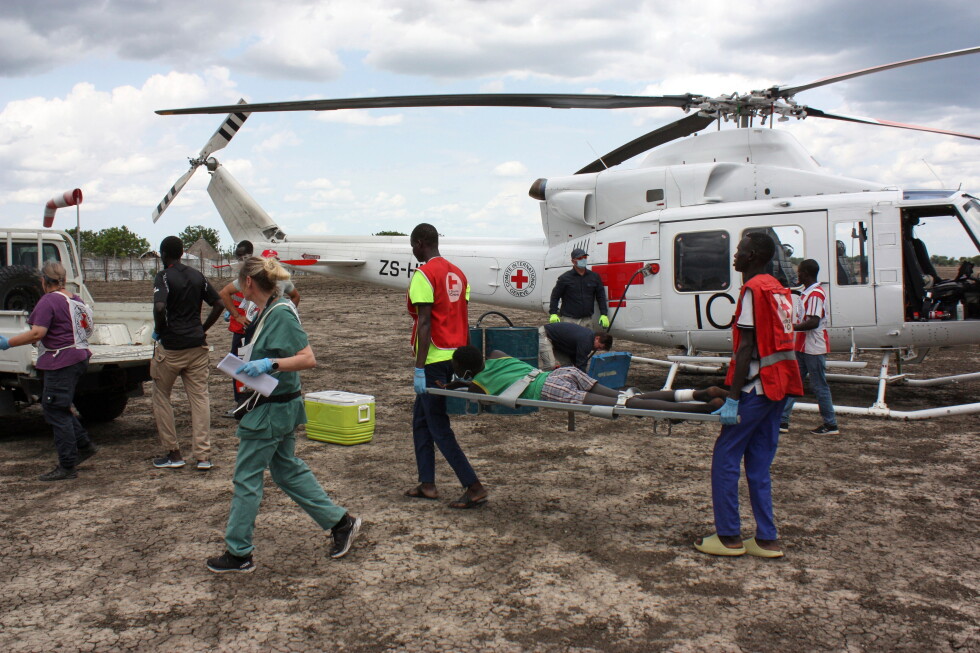
JUBA, South Sudan — South Sudan has already hit a grim, tragic milestone for violence against aid providers this year. The United Nations’ top humanitarian official in the country confirmed Wednesday that at least 36 humanitarian workers and contractors have been killed in attacks across the nation since January, a death toll that has already exceeded the 31 workers killed in all of 2025. This surge in fatal violence cements South Sudan’s position as one of the world’s most dangerous places for people delivering life-sustaining aid to vulnerable communities.
In a formal statement released to mark World Humanitarian Day, Ramanathan Balakrishnan, the U.N. Humanitarian Coordinator for South Sudan, pushed back against framing these deaths as abstract data points. “These are not just statistics,” he emphasized, calling for urgent accountability for every attack. “Every killing must be investigated, and those responsible held accountable. The continued loss of humanitarian personnel, overwhelmingly South Sudanese nationals, is unacceptable.”
Data from the United Nations Mission in South Sudan (UNMISS) underscores the dramatic escalation of risks facing aid operations this year. Between January and July, more than 450 separate incidents of violence targeting humanitarian workers and critical aid infrastructure were recorded across the country — more than double the number of violent incidents reported during the same 12-month period last year.
The resurgence of open armed conflict between South Sudan’s national government forces and opposition armed groups has forced multiple international and local aid organizations to relocate their staff and operations from high-risk areas. This withdrawal has further cut off already isolated vulnerable populations from critical support, at a time when the country of roughly 12 million people continues to grapple with overlapping, long-running crises. Since gaining independence from Sudan in 2011, South Sudan has been trapped in cycles of civil conflict, compounded by accelerating climate change impacts that have devastated agricultural production and food security.
Humanitarian groups across the globe have issued a unified call to action, demanding that the South Sudan government and all signatory parties to the 2018 peace agreement — negotiated to end the country’s decade-long civil war — fulfill their obligations to protect aid workers, launch full and transparent investigations into all attacks on aid personnel, and guarantee safe, unhindered access for aid teams to reach communities in need.
U.N. projections paint a devastating portrait of need across the country this year. An estimated 10 million South Sudanese — more than 80% of the total population — will require life-saving humanitarian assistance in 2026. Among that group, more than 7.5 million people are currently facing critical levels of acute food insecurity, putting them at high risk of starvation and malnutrition-related death.
The crisis has been deepened by crippling funding shortfalls that have already forced cuts to critical programming. Just last week, the United Nations High Commissioner for Refugees (UNHCR) and the World Food Programme (WFP) issued a joint warning that more than 650,000 refugees and asylum seekers residing in South Sudan are at imminent risk of losing access to life-sustaining food, nutrition support and other essential aid due to a severe lack of donor funding.