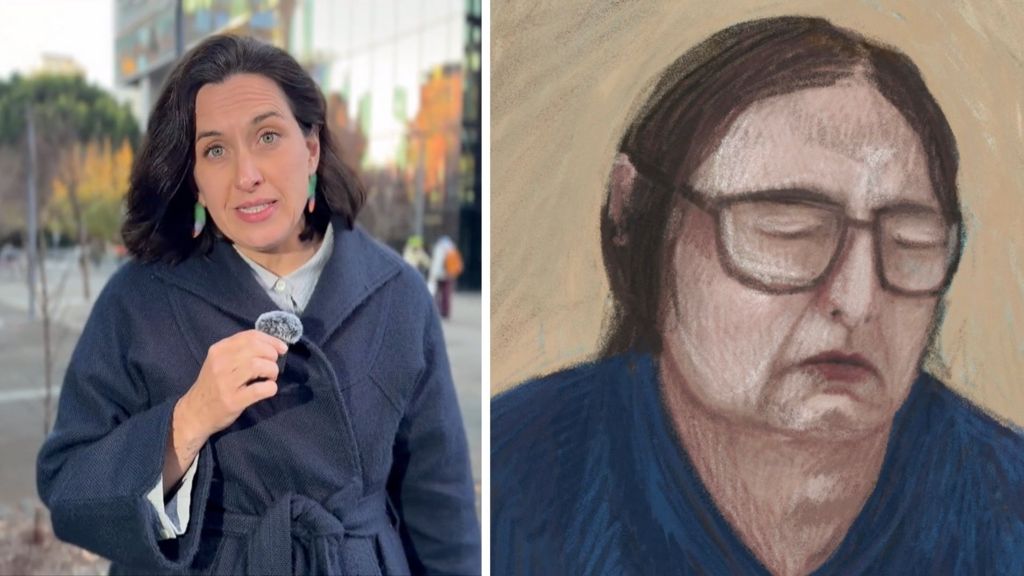
A high-profile Australian murder conviction known widely as the ‘mushroom murder’ case is now the subject of a major appeal, with the defendant’s legal team arguing that a critical, unprecedented error during the trial invalidated the guilty verdict. Erin Patterson, the woman convicted in the poisoning death linked to toxic death cap mushrooms served at a family lunch, is seeking to have her conviction overturned on the grounds of a deeply problematic procedural misstep. According to Patterson’s defense lawyers, the entire trial process was compromised by what they describe as a ‘catastrophic’ hotel mix-up that put the jury in the same accommodation as the prosecution’s legal team and one of the prosecution’s most critical witnesses. This close, unplanned proximity between decision-making jurors and parties involved in building the case against Patterson has raised serious questions about whether the jury remained impartial throughout the proceedings. Legal experts note that core judicial guidelines require strict separation of juries from prosecution teams and witnesses to prevent any unintended interaction, informal communication, or perceived bias that could alter the outcome of a criminal trial. The appeal is now drawing significant national attention, as observers wait to see whether the courts will rule that the procedural error was serious enough to warrant a retrial or overturn the original conviction entirely.
‘Catastrophic’ hotel mix-up at the heart of Australia’s mushroom murder appeal