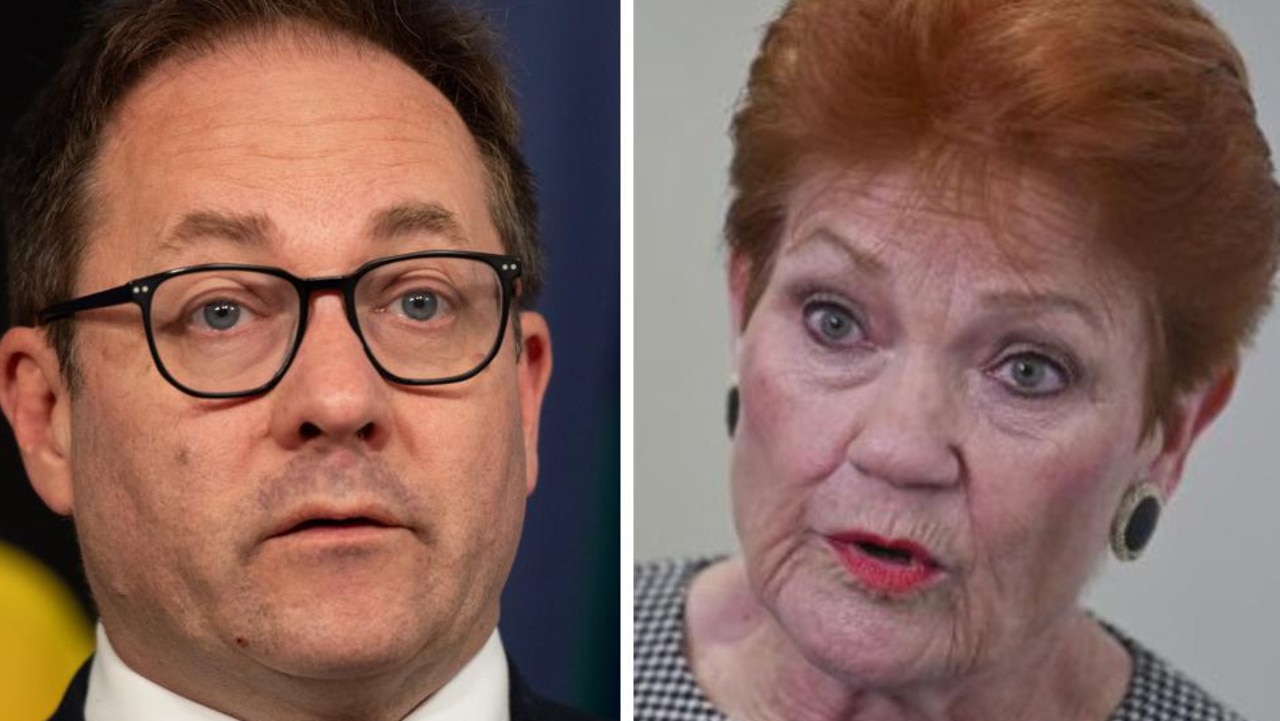
Australia’s Albanese government has firmly rejected two high-profile changes to the nation’s superannuation system pushed by One Nation: raising the mandatory employer superannuation guarantee from 12% to 15%, and expanding early access to retirement savings to help households cope with the ongoing cost of living crisis. The policy clash comes on the heels of the high-profile 2025 collapse of two major industry superannuation funds, Shield and First Guardian Master Funds, which has left roughly A$1 billion in member savings in limbo.
Addressing the National Press Club in Canberra on Wednesday, Assistant Treasurer Daniel Mulino described the collapse of the two funds as a deeply troubling event that has upended the financial security of thousands of Australian households. Speaking to ABC Radio National Breakfast ahead of the address, Mulino detailed the harm inflicted by the failure: nearly 12,000 individual fund members and their families have lost large portions of their retirement savings, with some losing their entire accumulated balances. He condemned what he called “predatory and inappropriate” industry practices that led to the collapse.
Despite calls from crossbench lawmakers to revisit legislated increases to the superannuation guarantee, Mulino ruled out any plans to lift the mandatory rate from its current 12% to the proposed 15%. He noted that reaching the 12% benchmark required decades of sustained effort from successive Labor governments, which fought intense opposition from conservative parties to secure the current framework. Mulino argued the 12% guarantee, applied consistently across a worker’s entire career, will deliver robust retirement balances for millions of Australians, with results already visible in the national super system.
Beyond individual financial security, Mulino emphasized that the current 12% guarantee delivers major systemic benefits, easing long-term fiscal pressure on Australia’s public pension system. Official data and long-term projections already bear out this impact, he said, while also providing individual workers with an extra layer of financial safety in retirement that cannot be replicated by public benefits alone. “That is a very important and strong part of our system,” Mulino added.
The government’s firm rejection of reform comes as One Nation steps up pressure to loosen access rules for superannuation, framing expanded early withdrawal as a solution to soaring household costs driven by the cost of living crisis. One Nation treasury spokesman Barnaby Joyce argued that superannuation savings are private property, not a collective national asset, and that households facing financial hardship deserve simpler, broader access to their own funds.
“When you need access to your money because you can’t pay your groceries, or you’re going to get booted out of your house, that it’s not as arduous as what it’s been made,” Joyce told News24. Pushing back against criticism that early withdrawals would erode long-term retirement savings by breaking compound interest growth, Joyce noted that losing a home to eviction or foreclosure carries far greater long-term financial costs for vulnerable households. He added that there should be no overly restrictive limits on what Australians can use early super withdrawals for, arguing that covering emergency housing costs like rent is a perfectly legitimate use of a person’s own savings.
Joyce also launched a scathing attack on the Albanese government for its rejection of One Nation’s proposal, repeating prior criticisms of Prime Minister Anthony Albanese to question the government’s credibility, and insisting the party has no intention of abolishing the superannuation system entirely. The debate over superannuation policy is set to intensify in coming weeks as the government faces ongoing pressure to address cost of living pressures across the country, with more details expected to emerge as the discussion develops.