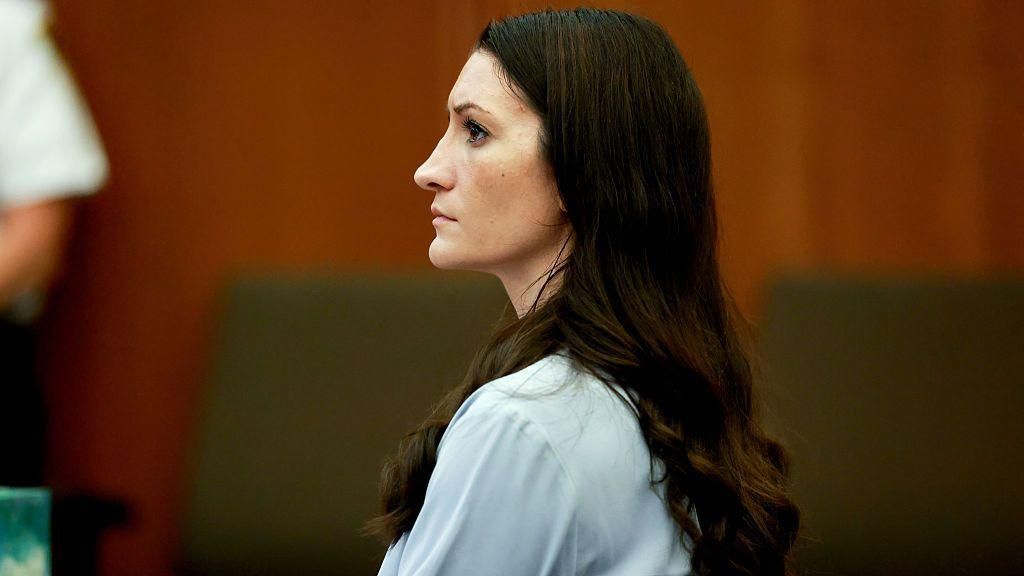
A Massachusetts murder trial has laid bare the devastating intersection of severe postpartum mental illness and family tragedy, as defense witnesses have detailed the rapid, alarming deterioration of Lindsay Clancy’s mental health in the weeks before she killed her three young children. The 36-year-old former nurse does not deny taking the lives of 5-year-old Cora, 3-year-old Dawson, and 8-month-old Callan in January 2023, but has entered a plea of not guilty to three counts of first-degree murder, with her legal team arguing she was incapacitated by untreated postpartum psychosis at the time of the deaths.
On Tuesday, Susan Clancy, the defendant’s former mother-in-law, delivered emotional testimony that echoed earlier accounts from other family members, confirming that Clancy had repeatedly begged for mental health support as her symptoms spun out of control. “She had insomnia. She was losing her appetite,” Susan Clancy told the court. “She was very anxious and sad.” When asked by Clancy’s defense attorney if the defendant had consistently sought medical care to improve her condition, the former mother-in-law confirmed, “Very much so. She was begging for help.” Susan Clancy also described Clancy as a “very nurturing, very loving” mother who had long dreamed of building a large family, a sentiment echoed by Clancy’s own mother, Paula Musgrove, who took the stand the previous day.
Musgrove testified that her daughter’s mental health began to decline sharply just months after giving birth to Callan, her youngest child. She told the court that roughly one month before the killings, Clancy came to her and Patrick Clancy, Clancy’s then-husband, and openly shared that she was struggling with intrusive thoughts of harming her children. “She told us she had thoughts of harming the children,” Musgrove said. The defendant, Musgrove added, repeatedly recognized that her symptoms were uncharacteristic, telling her, “This isn’t me, I’ve never been like this before”—a claim Musgrove said she confirmed, having never seen her daughter experience such a severe mental health crisis before. Clancy’s sister, Allison Ozga, also previously testified that Clancy confided in her that she experienced daily suicidal urges throughout the month leading up to the deaths.
Prosecutors have pushed back against the defense’s narrative, arguing that Clancy made a cold, calculated decision to intentionally kill her three children. According to the prosecution’s account, Clancy used fitness bands to strangle each of the children inside the family’s Massachusetts home before jumping from a second-floor window in an attempted suicide. The fall left Clancy permanently paralyzed, and she has attended the entire trial in a wheelchair. Defense lawyers counter that Clancy was already experiencing severe hallucinations and delusions triggered by postpartum psychosis after Callan’s birth, and had sought ongoing psychiatric care, even checking herself into an inpatient psychiatric facility for several days just one week before the killings.
After three weeks of testimony from more than 30 witnesses, prosecution attorneys officially rested their case on Monday, clearing the way for the defense to begin presenting its narrative, which centers heavily on personal testimony from family members who witnessed Clancy’s rapid mental decline.
Medical authorities define postpartum psychosis as a rare but extremely severe mental health emergency that can develop shortly after childbirth, distinct from the common, milder “baby blues” many new parents experience. The UK’s National Health Service emphasizes that the condition requires immediate emergency medical intervention to prevent harm to the parent and others. This trial has also prompted a public reminder of mental health support resources: people experiencing suicidal distress or severe perinatal mental health challenges can reach out to global support network Befrienders Worldwide, with additional regional resources available for people in the UK via BBC Action Line.
*Warning: This story discusses suicide and fatal violence against children, which can be distressing. If you or someone you know is experiencing suicidal thoughts or perinatal mental health crisis, please contact a local mental health provider or crisis support service.*