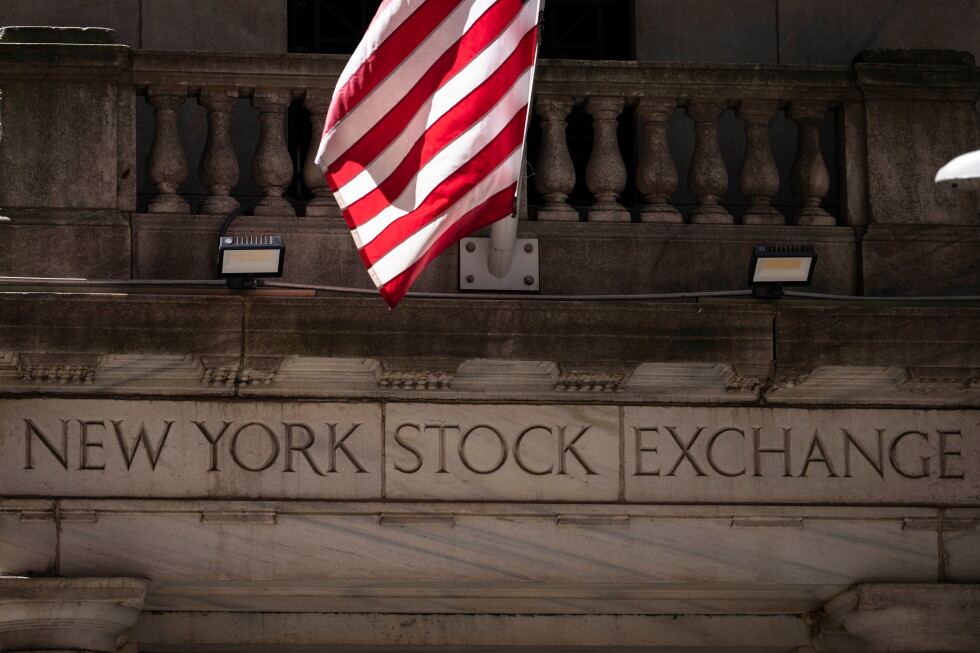
A broad downturn gripped Wall Street on Tuesday, extending a three-day losing streak for the S&P 500 as high-flying artificial intelligence stocks reversed recent gains and pulled the benchmark index further from its all-time high set just last Thursday. As of 10:15 a.m. Eastern Time, the S&P 500 had dipped 0.5% from its previous close, while the Dow Jones Industrial Average edged down a modest 33 points, or 0.1%. The Nasdaq composite, which is heavily weighted toward technology and AI-linked stocks, posted a steeper 1.3% decline.
The sharpest losses were concentrated among the stocks that have led this year’s AI-driven market boom, which have swung wildly through the summer months. Investors have grown increasingly jittery that valuations for these assets have outpaced actual fundamentals, fueled by an unrelenting hype around generative AI. Key concerns center on whether projected demand for data center components — from memory chips to advanced processors — will soften if AI fails to deliver the outsized profit growth that market enthusiasm has priced in.
Micron Technology, a leading supplier of memory chips for AI infrastructure, tumbled 5.9%, marking one of the biggest individual drags on the S&P 500. Other major chipmakers followed the downward trend: Nvidia dropped 2.5%, and Broadcom fell 3.7%. Even with the recent pullback, all three stocks remain massive winners for 2024, with Micron alone more than tripling in value since January. That lofty valuation has drawn greater investor scrutiny at a time of sustained high interest rates, a trend that has held steady across global bond markets this week.
The yield on the 10-year U.S. Treasury inched slightly lower to 4.71% on Tuesday, down from 4.72% at Monday’s close, but it remains far above the 3.97% level recorded just before the outbreak of the Iran conflict. The 30-year Treasury yield also ticked down but stays near its highest point since 2007. Yields have surged since the war began, as soaring oil prices have added upward pressure to inflation, forcing the Federal Reserve and other major central banks to keep interest rates higher for longer. Persistent concerns over large government debt loads and increased borrowing volumes have also kept yields elevated.
While often overlooked by casual investors, the bond market wields enormous influence over global financial markets and even political leadership. When bond yields climb, investors become far less willing to pay premium prices for riskier assets, particularly the richly valued growth stocks that have led the AI rally. Oil prices, a key driver of recent yield movement, saw minor upticks on Tuesday: a barrel of Brent crude rose 0.1% to $91.00, up from $72.87 just before the Iran war began. Prices have swung wildly in recent weeks as markets wait for clarity on a potential agreement between the U.S. and Iran that would reopen the Persian Gulf to unobstructed oil tanker traffic.
Sustained high yields have already pushed the average long-term U.S. mortgage rate near its highest level in a year, creating major headwinds for the U.S. housing sector. New data released on Tuesday showed housing starts slowed more than economists had projected last month, a sign that high borrowing costs are cooling residential construction activity.
Even home improvement retail giant Home Depot, which reported better-than-expected quarterly profit and revenue that beat analyst forecasts, saw its gains held back by ongoing housing market weakness. CFO Richard McPhail noted that customers continued to prioritize smaller home improvement projects, rather than the larger, higher-margin renovations that drove sales during the pandemic housing boom. Beyond housing, high interest rates also threaten to curtail the massive borrowing that big tech firms have relied on to build out new AI data centers, a key driver of recent U.S. economic growth.
Elsewhere on Wall Street, buy-now-pay-later fintech firm Klarna dropped 20.5% despite posting quarterly results that outperformed analyst expectations. The steep sell-off came after Klarna cut its 2026 full-year financial forecasts, citing weaker expected performance in Germany, its largest market by transaction volume. Meta Platforms also slid 3.8%, as opening statements got underway in a high-stakes antitrust trial in California federal court. A coalition of U.S. states is seeking billions of dollars in damages from Meta, alleging the company knowingly caused harm to children and teens through its social media platforms.
International stock markets were mixed on Tuesday. South Korea’s Kospi index, which has seen extreme AI-driven volatility in recent weeks due to its heavy exposure to chip manufacturing giants Samsung Electronics and SK Hynix, fell 1.5% — a relatively modest move for the index, which had swung by at least 2.4% in each of the previous three trading sessions. European indexes also posted mixed results, with some benchmark indices posting minor gains while others dipped into negative territory.