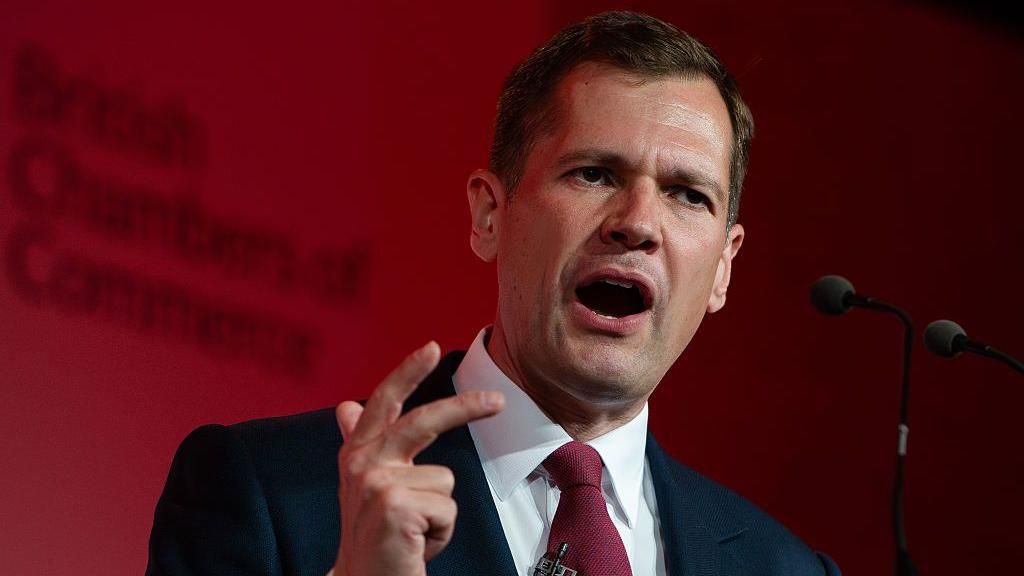
Reform UK has ignited a fierce national political debate with a sweeping proposal to bar almost all foreign nationals from accessing UK welfare benefits, a central pillar of the party’s planned overhaul of Britain’s social security system ahead of the next general election. The controversial policy, set to be formally launched on Monday by shadow chancellor Robert Jenrick in a dedicated speech on welfare reform, would even extend the ban to European Union citizens holding settled status — a legal designation granting indefinite leave to live, work and study in the UK after five years of continuous residence.
Policy analysts and rival political parties warn that implementing the ban would require full renegotiation of the post-Brexit trade and cooperation deal struck between the UK and the EU under the previous Conservative government. This opening of a major Brexit negotiation, they note, carries a clear risk of reciprocal action from Brussels: British expats who have built lives in EU member states could lose their own rights to access equivalent social security benefits in their countries of residence. Reform UK has acknowledged this risk, saying it has already budgeted for a potential £500 million cost if British expats are forced to return to the UK to claim benefits in response to EU retaliatory measures.
Jenrick defended the proposal in pre-speech comments, framing it as a matter of economic sense and basic fairness to UK taxpayers. “Forcing British workers to pay for the benefits of foreigners is not just economically illiterate but plain immoral,” he said. “People are more than happy to support their neighbours in hard times, but the British taxpayer cannot afford to subsidise everyone on the planet, especially those who have not paid in.”
Per Reform UK’s projections, the foreign national benefit ban would save the UK public purse £21 billion annually by the fifth year of a Reform government. The ban covers nearly all major working-age and family welfare payments, including housing benefit, pension credit, jobseeker’s allowance, child benefit, free childcare and disability benefits. Only a tiny set of narrow exemptions apply, such as war widows’ pensions and Armed Forces compensation schemes. This builds on a previous Reform pledge to block foreign nationals from claiming Universal Credit, the UK’s main working-age benefit. The entire 50-page welfare overhaul, which the party says it has spent six months developing, is projected to deliver £50 billion in annual public spending savings, with a separate plan to replace the existing Personal Independence Payment (PIP) disability benefits system already announced over the weekend.
Current official figures show the UK government expects to spend a total of £322 billion on welfare across Great Britain this year, equal to 10.6% of national GDP, with just over half of that spending allocated to pensioner benefits.
The proposal has drawn sharp criticism from all other major UK political parties, who have questioned both its feasibility and its ethics. The Labour Party said the plan would “plunge the UK back into years of Brexit renegotiations” and strip critical support from millions of people who have lawfully lived, worked and paid taxes in the UK for years, in many cases for decades. Labour also noted that the vast majority of migrants already do not qualify for UK welfare benefits, undercutting Reform’s core argument for the policy.
Helen Whately, the Conservative Party’s shadow pensions secretary, dismissed Reform’s plans as hastily “cobbled together”, arguing that British voters prioritize controlled welfare spending, cracking down on actual abuse, and upholding dignity for disabled people rather than reopening divisive Brexit disputes. The Liberal Democrats said reducing the overall welfare bill requires prioritizing fixes to the NHS and social care system, not targeting foreign nationals. The Green Party went further, calling the policy cowardly, arguing that instead of cutting support for vulnerable groups, the government should raise revenue by taxing the super wealthy — a jab that references the £5 million donation to Reform leader Nigel Farage before he took his parliamentary seat, which is currently under investigation by the parliamentary standards watchdog.