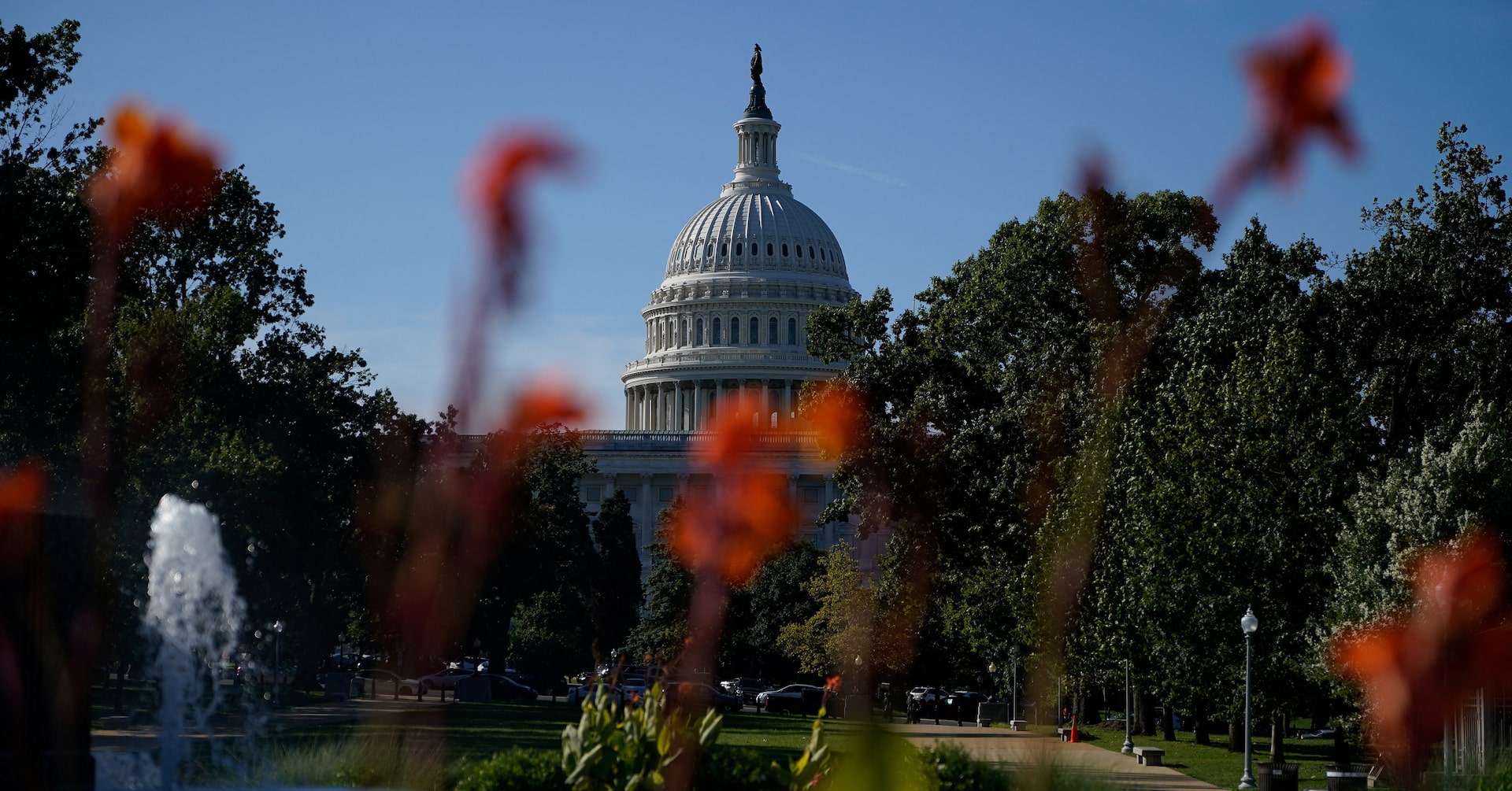
In a significant move reflecting the deepening partisan divisions in the U.S. Senate, President Donald Trump’s nominees for various diplomatic, military, and administrative positions were confirmed en masse on Thursday, September 18, 2025. The confirmation, which passed with a 51-47 vote, saw 48 nominees approved for ambassadorial and sub-cabinet level roles. Notably, the vote was strictly along party lines, with Republicans supporting the nominations and Democrats opposing them. Two Republicans abstained from voting.
Among the high-profile confirmations were Kimberly Guilfoyle, a former Fox News personality and fiancée of Donald Trump Jr., who was appointed as the U.S. Ambassador to Greece. Callista Gingrich, former ambassador to the Vatican and wife of ex-House Speaker Newt Gingrich, was confirmed as the Ambassador to Switzerland and Liechtenstein.
The confirmation process was expedited after Republicans invoked the ‘nuclear option’ earlier this month, altering Senate rules to limit the minority party’s ability to delay nominations. This procedural change allows the majority to bundle large groups of nominees for a single confirmation vote, rather than addressing them individually. However, the new rules do not apply to the confirmation of federal judges or heads of presidential Cabinet agencies.
The approved nominees also included key positions within the Defense Department, such as assistant secretaries for defense, the Army, and the Air Force. Additionally, roles in the Agriculture, Housing, Interior, and Transportation departments were filled.
Since President Trump’s second term began on January 20, 2025, the Senate has witnessed increasing polarization, with Republicans largely backing the president’s nominees and initiatives, while Democrats have consistently opposed them. Both parties have accused each other of refusing to compromise, further exacerbating the political divide.
The confirmation vote underscores the ongoing challenges in the U.S. political landscape, where partisan loyalty continues to shape legislative outcomes.