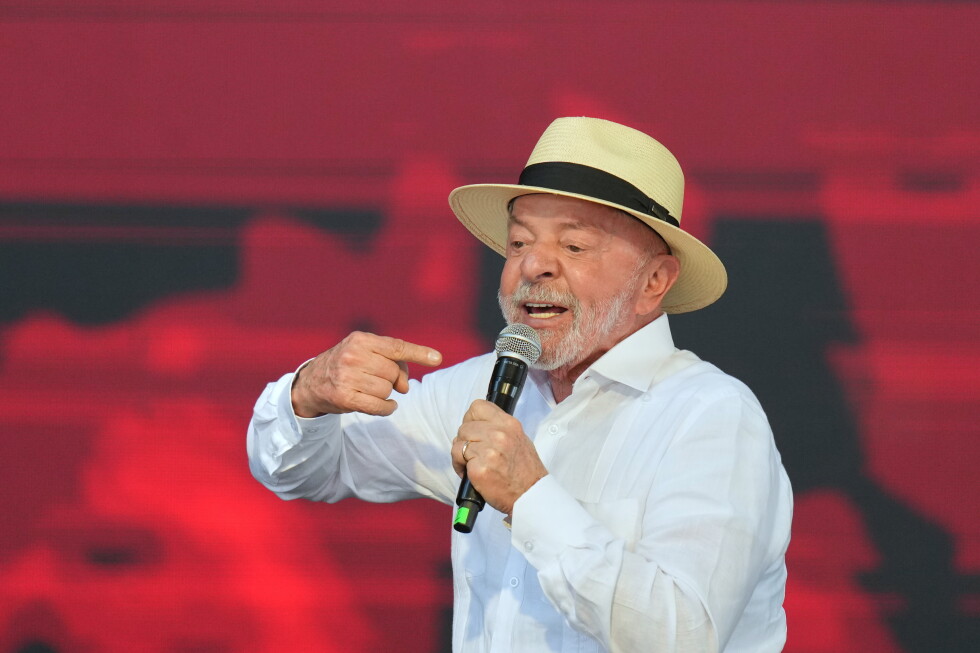
Diplomatic and trade friction between Brazil and the United States has escalated in recent weeks, with Brazilian President Luiz Inácio Lula da Silva announcing Friday that his administration has activated a long-standing economic reciprocity law in response to steep U.S. tariffs imposed on Brazilian exports this summer. The move comes as Lula, who is running for re-election this October, frames the dispute as a defense of Brazilian national sovereignty against what he calls politically motivated interference from the Trump administration.
In July, former U.S. President Donald Trump’s administration implemented tariffs on hundreds of Brazilian-made products, with some duties climbing as high as 37.5%. U.S. officials have leveled accusations of unfair trade practices against Brazil, claims Lula has repeatedly rejected, arguing the tariffs are a deliberate political tactic designed to influence Brazil’s upcoming general election. Lula’s main challenger in the October race is Sen. Flávio Bolsonaro, an open ally of Trump who traveled to Washington just weeks before the tariff announcement to meet with Trump and other senior U.S. officials.
Speaking in an interview with Brazilian podcasters Friday, Lula emphasized the need for Brazil to command international respect. “Yesterday, we invoked the reciprocity law to show that we are not to be taken lightly,” he said. “We respect ourselves. I am very calm knowing what could happen, and I am prepared to debate the defense of Brazil anywhere in the world.”
Despite activating the legal mechanism for reciprocal measures, Brazilian officials have signaled they prioritize diplomatic resolution over immediate retaliation. Late Thursday, Brazil’s Foreign Ministry released a statement confirming it has requested formal diplomatic consultations with U.S. counterparts, a step it says reflects Lula’s administration commitment to “privilege dialogue and negotiation in its international relations.” The opening of consultations does not guarantee Brazil will implement counter-tariffs on U.S. imports, officials clarified.
The trade dispute is not the only source of tension between the two nations ahead of Brazil’s election. Earlier this month, U.S. Secretary of State Marco Rubio revoked the visa of Brazil’s ambassador to Washington, a retaliatory measure after Brazil denied entry visas to two U.S. diplomats who sought to travel to Brazil ahead of the October vote. The U.S. has also accused Brazil of delaying congressional approval for Trump’s nominee for ambassador to Brasilia, while Brazilian counter that Washington violated standard diplomatic protocol by failing to secure the Brazilian government’s informal approval before submitting the nomination for congressional consideration.
Rubio’s decision to revoke the ambassador’s visa, rather than expel her from the country, signals the Trump administration has no interest in forcing the dispute to spiral out of control, according to senior U.S. officials who spoke on condition of anonymity to discuss internal deliberations. The limited response was intentionally crafted to give Lula’s government time and space to reverse course, the officials said. At the same time, they warned that Washington would move quickly to respond if Brazil chooses to escalate, with declaring the ambassador persona non grata and expelling her as the most likely next step.
Lula sought to tamp down expectations of a full-blown breakdown in bilateral relations Friday, saying that Trump has “treated him well” in past interactions. But he issued a clear warning to any foreign power seeking to interfere in Brazil’s democratic process: any government “who come here to meddle in the election, will lose.” Lula added that he has no desire for a confrontation with the U.S., saying “unfortunately, they are spreading falsehoods” about Brazil’s trade practices and electoral process.
Associated Press writer Matthew Lee contributed reporting from Washington.