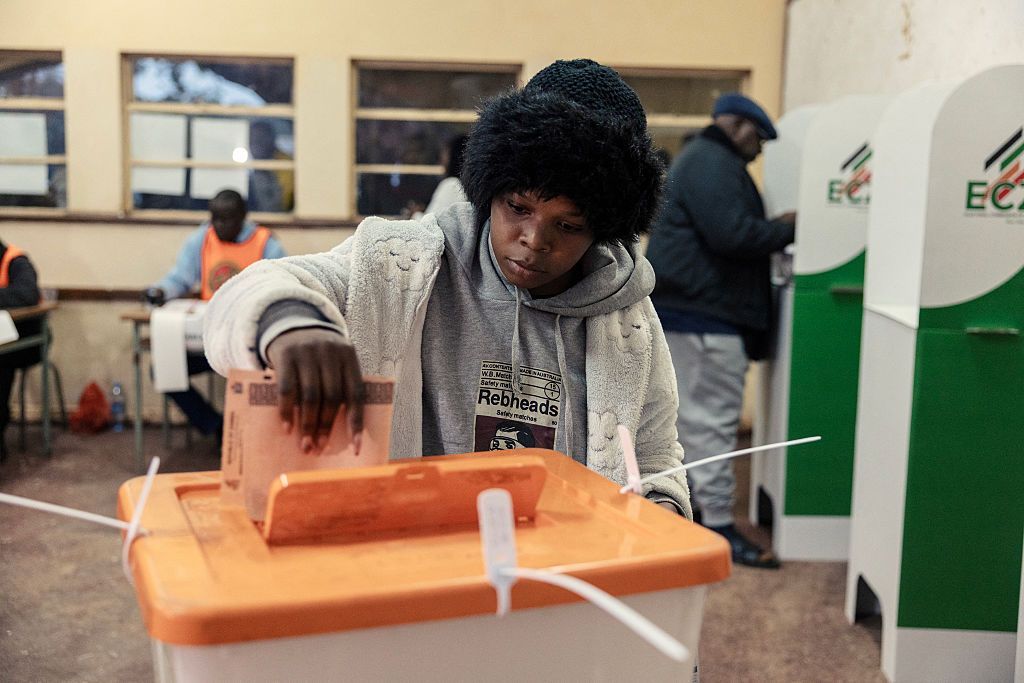
On a crisp August morning in 2026, hundreds of Zambian voters lined up before sunrise outside polling stations across the country, kicking off a critical general election that carries profound implications for the southern African nation’s political and economic future. More than 8 million registered eligible voters are casting ballots across Zambia on Wednesday to select a new five-year presidential term and members of the national parliament, with polling stations open from 6 a.m. local time through 6 p.m. local time.
Widely viewed as a key benchmark for Zambia’s standing as one of Africa’s most consistently stable democracies, this election unfolds against growing public scrutiny over shifting political freedoms and widespread economic dissatisfaction. Stagnant unemployment and skyrocketing living costs have emerged as the top issues shaping voter choices this cycle, cutting across demographic and regional divides.
At the center of the race is 64-year-old incumbent President Hakainde Hichilema, who is seeking a second and final five-year term after first winning office in 2021 – his sixth attempt at the presidency. Hichilema took office amid a crippling national debt crisis and has overseen a marked macroeconomic rebound during his first term, running on a platform of continued job growth, large-scale infrastructure investment, and steady economic recovery. His campaign has highlighted targeted policy wins, such as the reinstatement of student meal allowances, which have earned him support among younger and urban voter blocs. “I voted for HH because he cares about us,” James Phiri, a 29-year-old University of Zambia student, told Reuters. “Things are better after he re-introduced meal allowances.”
Still, the incumbent faces sharp criticism from voters who argue that broad economic gains have not translated to improved daily life, with inflation and living costs remaining stubbornly high for most working Zambians. His main challenger is Brian Mundubile, a former cabinet minister from the Patriotic Front (PF), the party that held national power from 2011 to 2021. Mundubile leads an opposition alliance anchored by supporters of the late former PF President Edgar Lungu, who died more than a year ago. A bitter, public dispute between Lungu’s family and Hichilema over the former president’s unburied remains – which remain held in South Africa – has amplified partisan tensions and deepened existing political divides across the country.
While 14 candidates appear on the presidential ballot, political analysts broadly frame the contest as a tight two-way race between Hichilema and Mundubile. Voter opinions are deeply split heading into polling day, reflecting the nation’s evenly divided electorate. “Zambians are frustrated and this election is a 50-50, that is why we are all here early to make the change,” 26-year-old Mwiche Nalupumbwe told AFP, after joining pre-dawn queues outside a Lusaka polling station. For opposition supporters like 47-year-old welder and father of four Samuel Chitendwe, who cast his ballot for Mundubile, frustration over unmet economic promises runs deep. “I have just come from firing someone. We are tired of stories about economic progress,” he told Reuters.
Election officials have put in place standard safeguards to prevent electoral fraud, including marking voter thumbnails with indelible ink to block repeat voting, with teams of trained monitors deployed to oversee polling across the country. To win the presidency outright, a candidate must secure more than 50% of the national vote; if no candidate hits this threshold, a run-off election will be held within 37 days of the final result being certified.