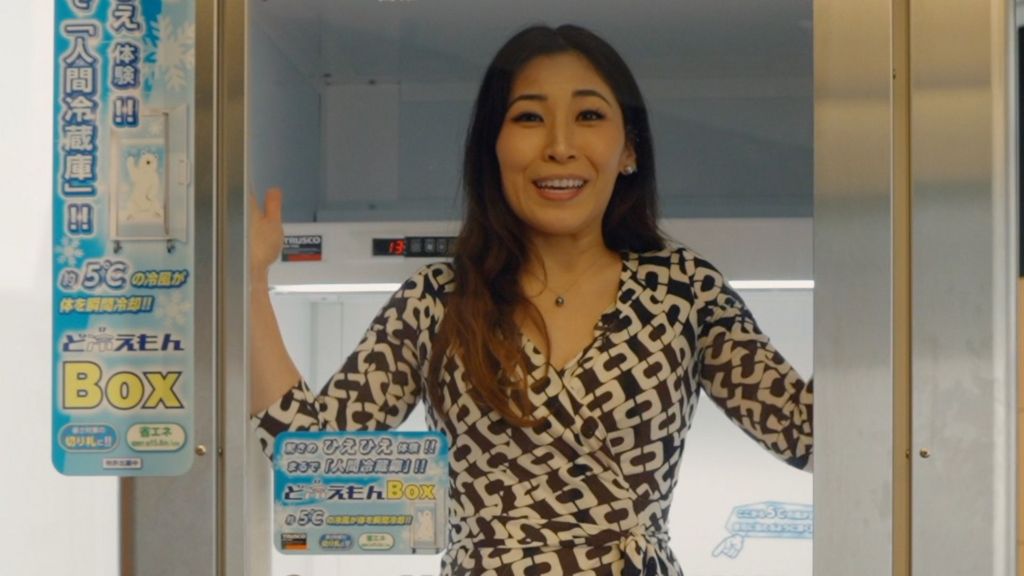
Japan is currently grappling with one of its most oppressive summer heatwaves in recent memory, with record-breaking high temperatures pushing residents to seek out innovative new solutions to beat the sweltering conditions. Among the most unusual trends to emerge from this heat crisis is the growing popularity of so-called “human fridges” — specialized cooling products designed to rapidly lower body temperature for overheated people.
BBC’s Tokyo-based correspondent Kurumi Mori recently got a first-hand look at this trending product, stepping inside to test its cooling capabilities for herself. As climate change continues to drive more frequent and more intense extreme heat events across East Asia, Japan has seen a steady surge in demand for unconventional cooling tools that go far beyond traditional fans and air conditioning units.
Unlike standard household refrigerators, human fridges are purpose-built to accommodate a person, offering a controlled, chilled space where users can lower their core body temperature after prolonged exposure to high heat. Public health officials have warned that this year’s extended heatwave carries significant risks of heat exhaustion and heat stroke, particularly for elderly residents and people with pre-existing health conditions, leading many households to invest in new cooling technologies to protect their family members.
The rise of human fridges highlights how Japan’s ongoing battle with extreme summer heat is pushing both consumers and manufacturers to think creatively about thermal comfort and public health protection. While the product remains a niche offering for now, industry insiders note that demand has jumped sharply in line with rising mercury levels across the country, signaling a growing market for innovative heat adaptation solutions in the coming years.