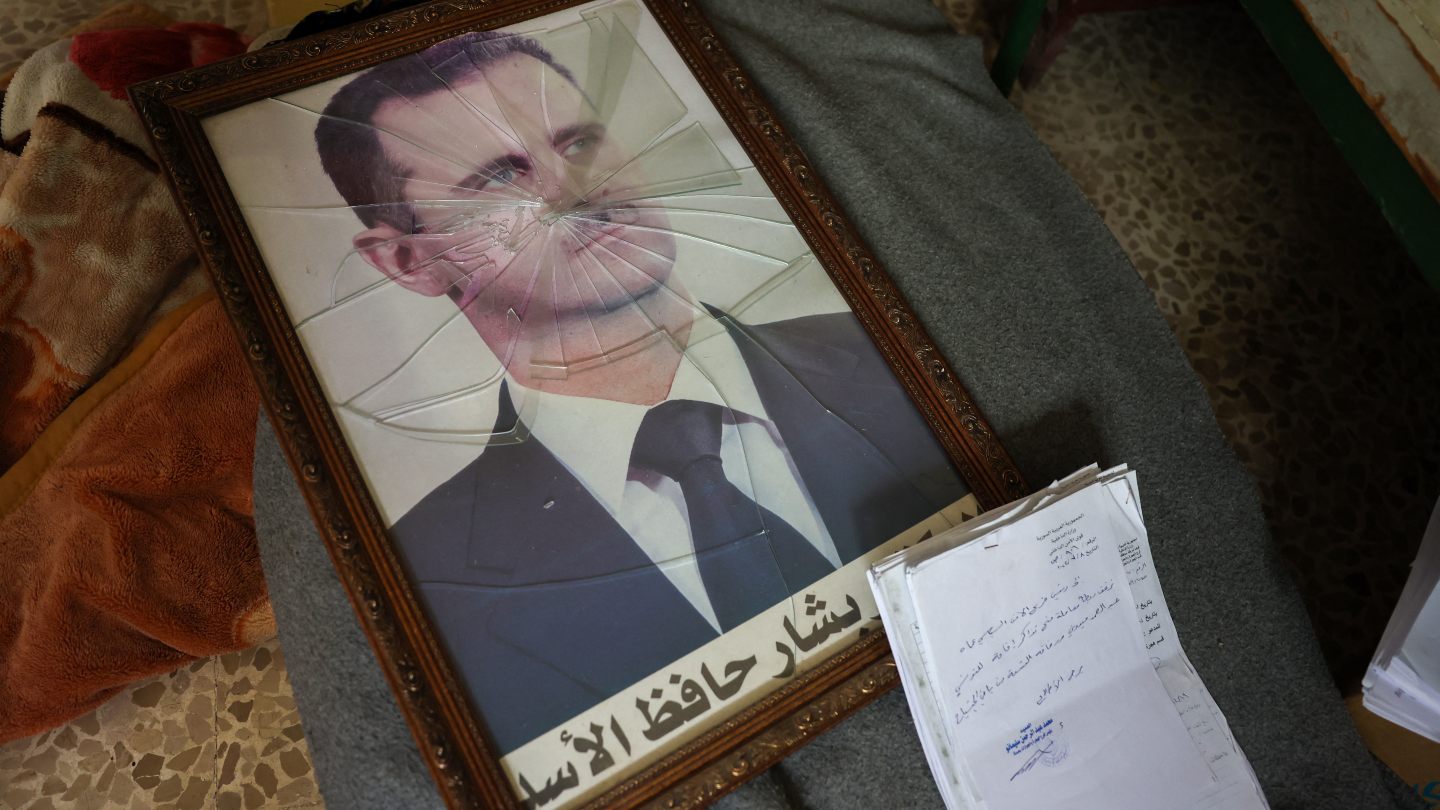
In a landmark ruling marking the first major legal action against ousted former Syrian leader Bashar al-Assad since his flight from power, a Damascus court issued death sentences on Tuesday to Assad, his younger brother Maher al-Assad, and former senior security official Atef Najib. The convictions center on charges of premeditated murder, systematic torture, and incitement to targeted killing that span more than a decade of conflict.
Court documents confirm Bashar al-Assad was found guilty on multiple counts, including the premeditated killing of civilians — among them children — alongside arbitrary detention, widespread torture, and crimes against humanity. Atef Najib, a cousin of the former president who was taken into custody by new authorities in January 2024, was convicted in person on identical charges, with specific convictions for the intentional killing of children under 15 years old and torture that resulted in death. Both Bashar and Maher al-Assad were tried in absentia, after the pair fled Syria for Moscow in December 2024 as armed opposition groups advanced on Damascus and toppled the decades-long Assad family regime.
The verdict is the first high-profile conviction of former Assad regime figures issued by Syria’s new transitional government, which launched a widespread prosecution campaign this year targeting former officials both in custody and at large. The case closes a 14-year chapter of authoritarian rule that began when Bashar al-Assad, born in 1965, took power in 2000 following the death of his father and long-time ruler Hafez al-Assad. For 24 years, the Assad family maintained tight authoritarian control, cementing the political dominance of the minority Alawite sect in Syria’s majority Sunni population, and aligning the country closely with Iran while maintaining persistent hostility toward Israel and the United States.
The eruption of mass pro-democracy protests during the 2011 Arab Spring marked the turning point for Assad’s rule. When government forces led by Assad launched a brutal violent crackdown on peaceful demonstrators, the unrest escalated into a full-scale armed uprising that plunged the country into 14 years of catastrophic civil war. The conflict quickly drew in global and regional powers, with Russia and Iran providing consistent military and political backing to the Assad regime, while the United States, Turkey, and other nations supported various opposition factions at different stages of the war.
By the end of Assad’s rule, the United Nations estimates the conflict had killed hundreds of thousands of people, flattened critical civilian infrastructure across the country, and forced more than half of Syria’s pre-war population to flee their homes as internally displaced persons or refugees. The UN has confirmed the 14-year conflict left Syria grappling with an unprecedented, multi-layered political, economic, and humanitarian catastrophe that will require decades of recovery.
Throughout the conflict, international investigators and human rights groups documented widespread abuses tied directly to the Assad government. Credible reports confirm the regime carried out mass arbitrary detention, systematic torture, enforced disappearances, extrajudicial killings, and deliberate attacks on civilian populations. A United Nations-backed investigative mechanism found overwhelming evidence of a systematic pattern of abuse, including torture, sexual violence, and enforced disappearances, operating across more than 100 government-run detention facilities throughout Assad’s rule.
While the fall of the Assad regime opened a new political transition for Syria, UN experts have warned that human rights risks remain pervasive, with ongoing allegations of summary executions, forced displacement, and other abuses against civilian populations across different areas of the country as new governing structures take shape.