The World Health Organization has issued a stark warning that the ongoing Ebola outbreak in the eastern Democratic Republic of the Congo (DRC) began circulating at least three months before it was formally announced by public health officials, leaving response teams struggling to contain a pathogen that has already outpaced containment efforts.
As of the latest official update from DRC’s Ministry of Health, the outbreak has recorded 4,294 confirmed infections and 1,960 fatalities, making it the second deadliest Ebola outbreak in recorded history. Only the 2014–2016 West African outbreak, which claimed more than 11,000 lives, has had a higher death toll.
This outbreak is caused by the Bundibugyo strain of Ebola, a variant for which no universally approved vaccine or proven therapeutic treatments currently exist, creating additional barriers for clinical care. Persistent insecurity in the eastern region, the epicenter of the outbreak, has further undermined response work: WHO Africa director Dr Mohamed Janabi told reporters during a press briefing in Bunia, the outbreak’s core hub, that persistent conflict and instability have left response teams only able to reach roughly 30 percent of confirmed cases. The remaining patients are unable to access care and die in their homes.
New genomic and epidemiological research traces the first community transmission of the virus back to February 2025, months before the outbreak was officially declared on May 15. In those early months, infections were consistently misdiagnosed as more common febrile illnesses including malaria and typhoid, allowing the virus to spread undetected through local communities. Two additional cultural and trust barriers have complicated containment efforts: traditional burial customs that require close physical contact with deceased bodies, a major transmission route for Ebola, and widespread community suspicion of external health authorities have both slowed intervention work.
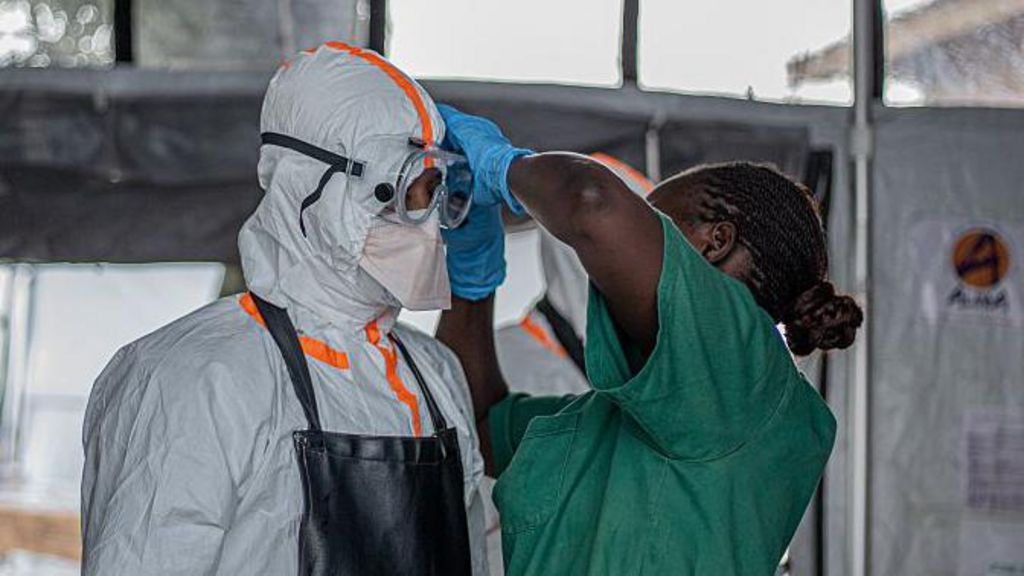
Ebola spreads through direct contact with infected bodily fluids, meaning frontline health workers require full personal protective equipment to safely treat patients and conduct containment work. Despite the significant challenges, response officials have noted modest progress: several purpose-built Ebola treatment centers have now been established in eastern DRC, and diagnostic testing capacity has expanded sharply, cutting wait times for confirmatory results.
Dr Janabi summed up the current state of the response in blunt terms: “We are chasing the virus, the virus is ahead of us.”