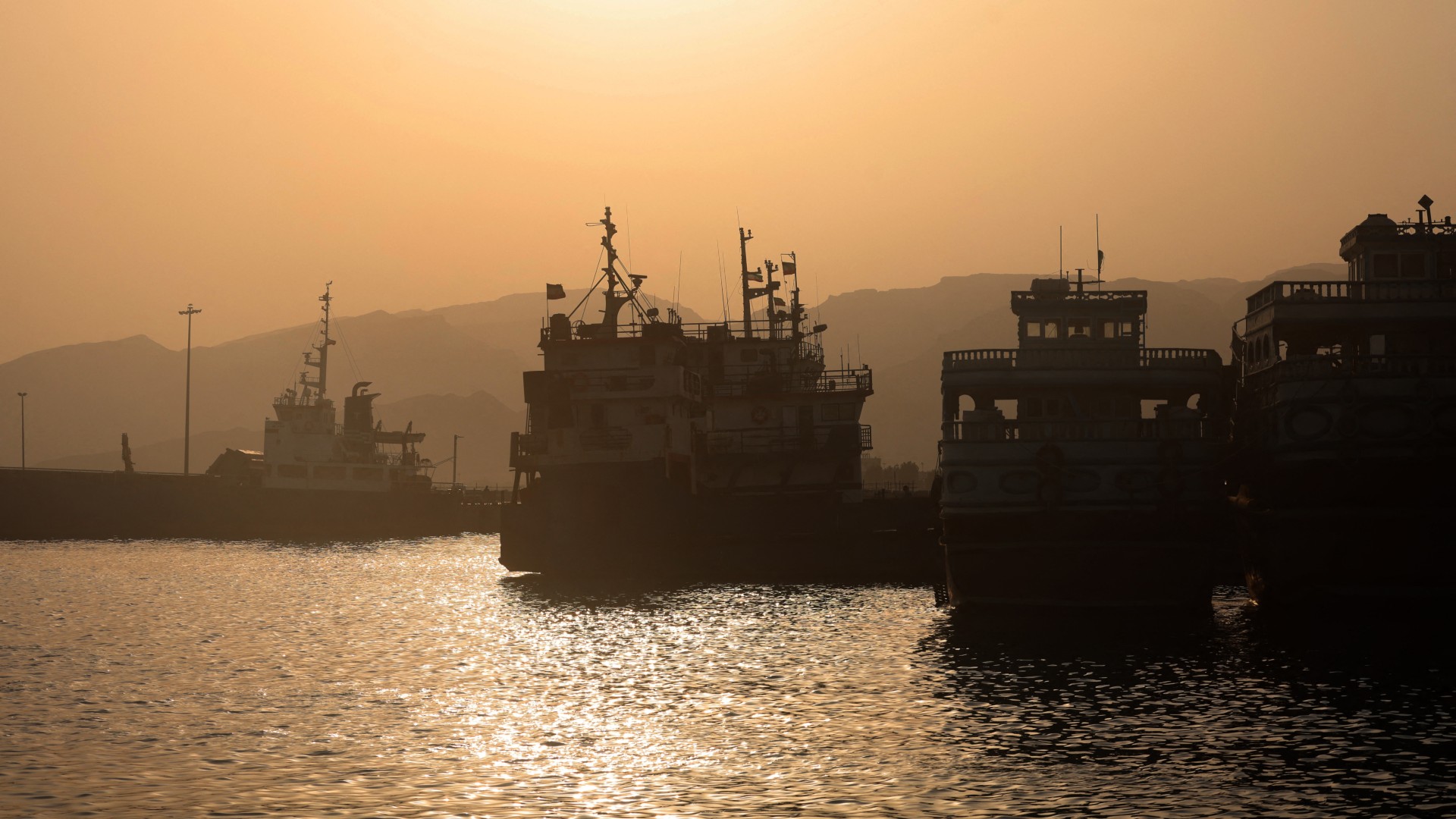
Escalating tensions between the United States and Iran have put global energy security at the center of geopolitical friction, as Tehran insists Washington meet its sweeping preconditions to reopen the strategically critical Strait of Hormuz, the world’s most vital energy shipping chokepoint.
Since late February, when the United States and Israel launched joint military operations targeting Iran and its regional allies, Iran has effectively blocked most traffic through the strait, a waterway that carries roughly one-fifth of the world’s total oil and liquefied natural gas supplies. Over the weekend, senior Iranian official Mohammad Bagher Zolghadr formally outlined Tehran’s full set of demands, which include an immediate end to all military “war and aggression” against Iran and its partner groups in Lebanon, Palestine, Yemen, and Iraq. Additional conditions, per Iran’s state-run Tasnim News Agency, include the lifting of Washington’s long-running sanctions on Iran, the removal of a U.S. naval counterblockade of Iranian ports, the release of billions of dollars in frozen Iranian assets held overseas, and full compensation for damage Iran has sustained during the current conflict.
The standoff has been framed on both sides as a high-stakes strategic chess match. U.S. President Donald Trump signaled Sunday that he favors ramping up economic pressure on Iran rather than launching new military strikes, backing away from escalatory options in the wake of Tehran’s demand list. Speaking to Axios, Trump noted he was “low-keying it” with Iranian leadership, explaining that “We are only semi-negotiating with them. We are just watching Iran with its huge inflation and the fact they have no money. It will work out. It always works out. It’s like a chess game.”
Iran swiftly pushed back on Trump’s framing, with foreign ministry spokesman Esmail Baghaei issuing a pointed response that cast Iran as the more skilled player in the strategic standoff. “Lights out or lights on, Iranians showed they are professional chess players,” Baghaei said Monday. He doubled down on Tehran’s core demand, stressing that “as long as the U.S. naval blockade continues… as long as other violations by the United States continue, the necessary conditions for saying that the Strait of Hormuz has become a safe waterway will not exist.”
Parallel to its negotiations through intermediaries with the U.S., Iran is in the final stages of finalizing a new shipping agreement with neighboring Oman that would establish revised shipping lanes through the strait once it reopens. Iranian Foreign Minister Abbas Araghchi confirmed that the pact is in its “final stages” but reiterated that the waterway will remain closed until Washington meets all of Tehran’s preconditions. Araghchi added that Iran and the U.S. are not holding direct negotiations, as Tehran refuses to engage in formal talks while Washington continues to violate the terms of the June interim nuclear and security agreement between the two countries. All communications are currently being passed through third-party intermediaries, he said.
On Monday, the U.S. military confirmed it was continuing to enforce its port blockade against Iran. U.S. Central Command (Centcom), which oversees American military operations in the Middle East, announced in a post on X that it had diverted 55 commercial vessels bound for Iranian ports, disabled two additional vessels, and inspected two more to ensure compliance with U.S. restrictions.
In a separate development Monday, Baghaei addressed a new regional security pact between Pakistan, Turkey, and Saudi Arabia, saying Tehran sees no evidence the agreement is aimed at countering Iran. Instead, he framed the pact as a sign of shifting regional attitudes toward the United States, with Middle Eastern nations increasingly opting to rely on their own security capabilities rather than outside powers. “Any plan that is based on the geopolitical and historical realities of the region, is comprehensive and inclusive, and correctly identifies the enemy and the threat, has a chance of helping to strengthen security and prevent instability and abuses by the Zionist enemy and its allies,” Baghaei added.
The current standoff comes amid growing rifts between long-time allies the United States and Israel, as Washington pushes to de-escalate conflict across three active Middle Eastern fronts: Gaza, Lebanon, and Iran. Israel’s Channel 13 reported Monday that Centcom chief Brad Cooper conveyed Washington’s goal of “closing the three fronts” during a recent visit to Israel over the weekend. The report follows Israeli Prime Minister Benjamin Netanyahu’s outright rejection Sunday of Trump’s 15-point peace plan for Gaza, in which he stated Israel would not withdraw its military from Gaza until Hamas is fully disarmed.
The Trump-led Board of Peace announced a breakthrough on the Gaza plan last month, and Trump has said Hamas has agreed to lay down its weapons under the terms of the proposal. An initial ceasefire between Israel and Hamas was agreed to last October, but the Israeli military has continued to carry out near-daily airstrikes and ground operations in Gaza, repeatedly violating the terms of the truce. “Israel rejects the 15-point document,” Netanyahu confirmed during a Sunday cabinet meeting.