A diplomatic dispute between two European Union member states, Spain and Italy, has escalated sharply in recent days over a surge of migrant arrivals into the Spanish North African exclave of Ceuta, with both nations enacting temporary border controls that suspend long-standing Schengen Area free movement rules. The tit-for-tat measures, each set to run for one month, took effect after Italy first implemented random additional checks for air and sea travelers arriving from Spain a week ago, triggering an immediate retaliatory response from Madrid that went into force at midnight Spanish time (22:00 GMT).
The root of the crisis stretches back to late July, when roughly 78,000 migrants crossed from Morocco into Ceuta, a Spanish territory that Morocco has long claimed as its own. In the wake of that mass influx, Italian Prime Minister Giorgia Meloni, a conservative leader who has built her political platform on demanding stricter EU-wide migration policies, announced Rome would temporarily pause its Schengen border-free commitments to block any migrants who entered Ceuta from traveling onward to Italy. Italian officials clarified that only non-EU residents would face extra checks, with Spanish and other EU citizens exempt, and confirmed the restrictions would remain in place through at least August 15, citing unsubstantiated claims of an anticipated second major migrant wave into Ceuta.
Spain has flatly rejected Italy’s justification for the controls, dismissing the argument as factually baseless spurious reasoning. Spanish authorities note that migrants currently in Ceuta have no existing route to enter the wider Schengen Area, making Italy’s security concerns unfounded. Madrid issued an ultimatum for Rome to reverse the measures by the past Sunday, a demand that Meloni’s government rejected outright. In response, Spain rolled out its own set of random border checks for all air and sea passengers arriving from Italy, set to expire September 7, with a clause allowing for early termination only if the underlying circumstances that prompted the move change significantly.
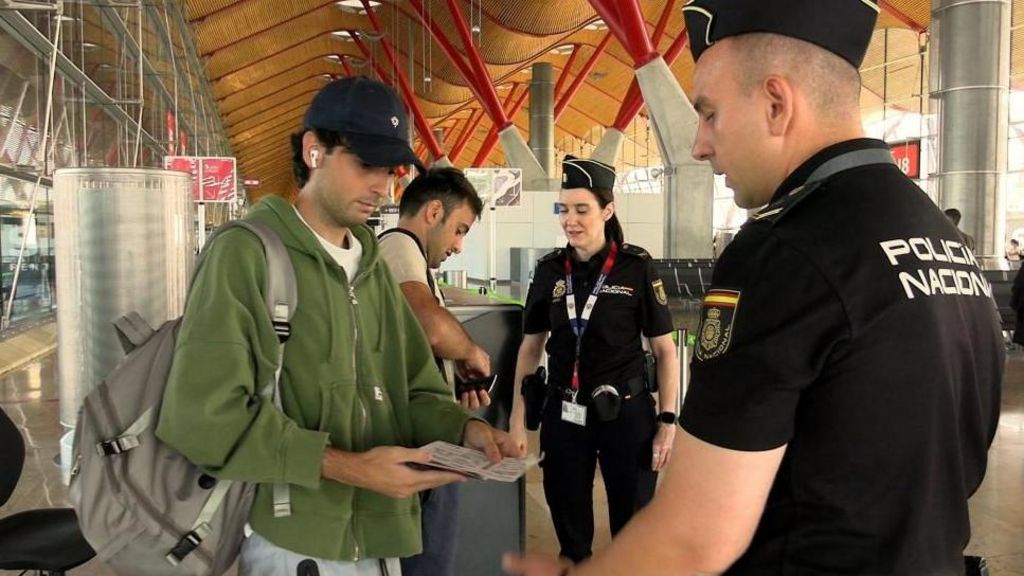
While both governments have characterized their respective checks as random, on-the-ground reports have challenged these claims. Spanish national newspaper El Pais has documented long passenger queues and extended wait times at multiple Italian airport terminals over recent days, with all travelers from Spain directed to separate screening lines regardless of their nationality. On the Spanish side, multiple passengers arriving from Italy told public broadcaster RTVE that every person on their flights was required to show passports before being allowed to disembark. “They told us we couldn’t get off the plane without showing our documents,” one passenger, Elisa, told reporters.
The dispute has laid bare deep divisions across the European Union over migration policy. Italy’s one-month suspension of Schengen rules for Spanish travelers has received public backing from Finland and Denmark, while the Czech Republic has gone a step further, calling for Spain’s EU Schengen Area membership to be temporarily suspended. Temporary Schengen suspensions are not without precedent: Italy already maintains ongoing extra controls along its land border with Slovenia.
In the weeks following the initial mass crossing, the vast majority of the 78,000 migrants who entered Ceuta have been returned to Morocco. Tragically, an estimated 100 people are believed to have died during the dangerous crossing from North Africa, and nearly 1,400 unaccompanied minor migrants, including many very young children, remain in Ceuta with no clear path forward.
Though Spain’s government has stated it does not expect a second large-scale wave of migrant crossings to match the late July surge, BBC Arabic has identified dozens of public Facebook posts calling for a new mass crossing in mid-August, including some posts marketing swimming equipment to aspiring migrants. Some of these Facebook groups had accumulated more than 100,000 followers before parent company Meta removed the content for violating its platform policies.
Officials have continued to debate the underlying cause of the unprecedented mass crossing. The European Union’s Migration Commissioner Magnus Brunner has blamed criminal smuggling networks spreading intentional disinformation for the event, a conclusion that the Spanish government under Socialist Prime Minister Pedro Sanchez has endorsed. The crossing came shortly after Spain’s Supreme Court issued a ruling that barred authorities from immediately summarily returning migrants intercepted at sea while attempting to reach Ceuta or the other Spanish Moroccan exclave Melilla. The Moroccan government has echoed this framing, with an anonymous senior source telling local outlets that the ruling eliminated the existing deterrent to unauthorized crossings, saying “the dam gave way, not under the weight of the criminals, but of a judge’s decision”.
The mass crossing also reignited long-standing diplomatic tensions between Spain and Morocco, as Morocco does not recognize Spanish sovereignty over either Ceuta or Melilla, and questions remain open about why Moroccan border forces did not intervene to stop the tens of thousands of people attempting the crossing simultaneously.