Against a backdrop of spreading regional violence, broken ceasefires and shifting global security alliances, three key Muslim-majority nations — Saudi Arabia, Turkey and Pakistan — are preparing to sign a landmark joint defense agreement on Friday, multiple anonymous sources confirmed to Agence France-Presse.
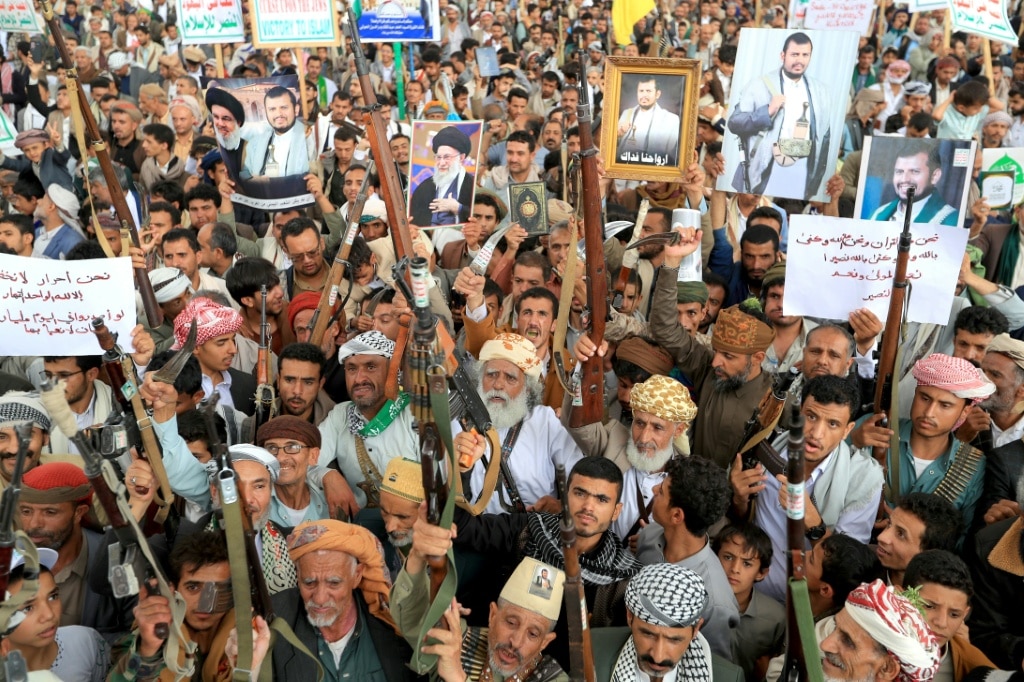
The accelerated finalization of the pact comes as the Middle East grapples with escalating conflict between the United States and Iran, which has spilled across neighboring borders, disrupted global shipping lanes through the Strait of Hormuz and the Red Sea, and emboldened Iran-aligned militant groups across the region. Among these groups is Yemen’s Houthi movement, which has resumed large-scale attacks on Saudi territory after a four-year truce collapsed in recent weeks. The Houthis have also declared a maritime blockade against Saudi Arabia, launching strikes on Saudi commercial tankers to enforce their measure.
Regional security analysts point to a growing perception among Saudi leadership that the United States, Riyadh’s long-time Western security partner, has become an increasingly unreliable ally amid the current crisis. In response, Saudi Arabia has actively pursued deeper security and diplomatic ties with regional and cross-regional partners including Turkey, Egypt and Pakistan, all of which have positioned themselves as neutral mediators working toward a negotiated end to ongoing conflicts across the Middle East.
A source close to Saudi Arabia’s military and civilian leadership told AFP that while negotiations for the tripartite agreement have stretched over a long period, “the latest developments in the region expedited it.” A second anonymous source close to top Saudi officials confirmed the formal signing would proceed as scheduled on Friday.
In line with the planned signing, high-level delegations from all three nations have gathered in Saudi Arabia’s Red Sea coastal city of Jeddah. Turkish President Recep Tayyip Erdogan arrived in Jeddah on Friday, according to official Saudi media, and is scheduled to hold bilateral talks with Saudi Crown Prince Mohammed bin Salman before joining a trilateral meeting with Pakistani Prime Minister Shehbaz Sharif. Sharif and Pakistan’s Army Chief General Asim Munir also traveled to the kingdom this week, and the pair completed a religious pilgrimage to Mecca ahead of diplomatic talks, Pakistan’s information ministry confirmed Friday.
The upcoming defense pact marks a deepening of already growing security cooperation between the three nations, which have been the subject of months of regional speculation about a new strategic alliance. Pakistan, the only nuclear-armed state in the Muslim world, already signed a bilateral defense agreement with Saudi Arabia in 2025, a deal that drew widespread international attention for its strategic implications. Islamabad has also positioned itself as a key mediator in efforts to de-escalate the U.S.-Iran war, while Turkey has taken a leading diplomatic role in negotiations aimed at ending the ongoing conflict in Gaza.
The resumption of large-scale Houthi hostilities has added new urgency to Riyadh’s push for expanded security alliances. The Iran-backed Houthi movement, which has controlled Yemen’s capital Sanaa and most of northern Yemen for a decade, has fought against Saudi-led coalition-backed Yemeni government forces since 2015, when Riyadh launched its military intervention to support Yemen’s internationally recognized government. A four-year truce brokered in 2021 had largely held until recent weeks, when full-scale hostilities resumed.
In one of the deadliest single attacks for government forces in years, Houthi missile and drone strikes killed at least 58 Yemeni government troops on Thursday, a Yemeni military source confirmed. The decade-long Yemeni civil war has already killed hundreds of thousands of people through direct combat, famine and lack of access to healthcare, triggering one of the world’s worst ongoing humanitarian catastrophes.
Beyond the immediate crisis in Yemen, the Houthi resumption of attacks has compounded pressure on Gulf energy exporters, already strained by Iran’s blockade of the Strait of Hormuz. The Houthis have also threatened global commercial shipping through the Red Sea, a critical chokepoint for roughly 12% of global oil trade and 10% of global seaborne trade, adding further disruption to already stressed global energy markets.
Ahead of the talks, Pakistani foreign ministry spokesman Tahir Andrabi noted that the gathering and upcoming agreement carry weight far beyond the current regional crisis. “Although taking place against the backdrop of heightened tensions in the Gulf, the visit will carry significance beyond the immediate crisis and short-term considerations,” Andrabi said Thursday.