A rare and high-stakes midwinter medical rescue has successfully extracted a seriously ill American researcher from a remote U.S. Antarctic base, delivering the patient to a New Zealand hospital in a mission that pushed aircraft and crew to their operational limits.
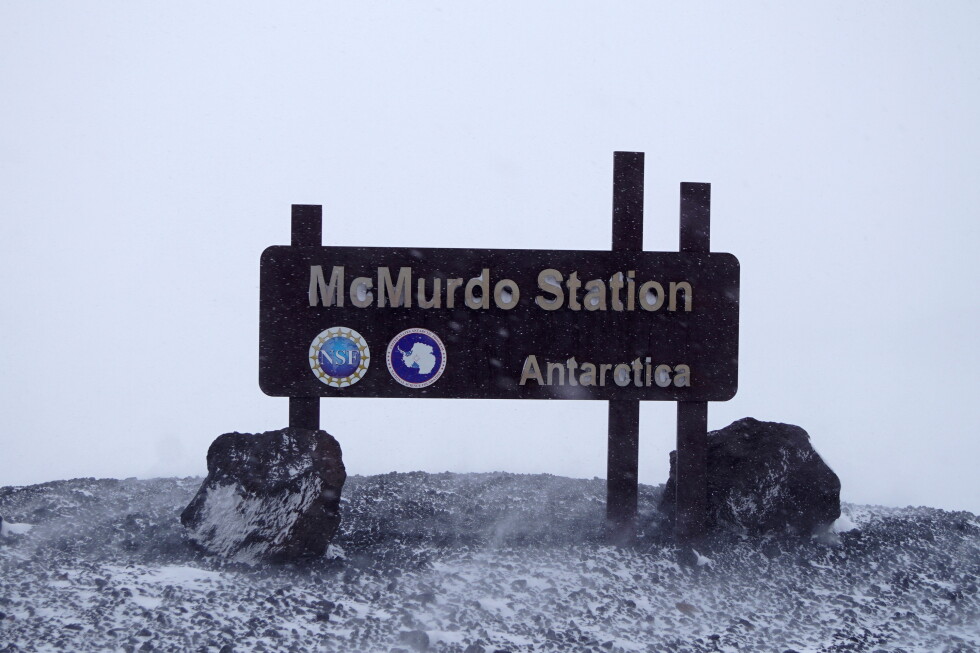
Melbourne-based aviation firm Skytraders, which holds a contract with the Australian Antarctic Program, confirmed that its Airbus A319 Long Range jet, operating under the call sign Snowbird 1, departed the southern Australian city of Hobart on July 31 to answer an urgent request for medical assistance from the U.S. National Science Foundation, which manages McMurdo Station, the largest research base on the southern continent.
The 5.5-hour flight to Phoenix Airfield, located just 3 kilometers from McMurdo on the Ross Ice Shelf, ended with a challenging landing in complete polar winter darkness, where temperatures plummeted to minus 43 degrees Celsius (minus 45.4 degrees Fahrenheit). With conditions at the remote airstrip deteriorating rapidly after landing, the medical evacuation team immediately loaded the patient onto the jet and departed for Christchurch, New Zealand the same day.
The U.S. National Science Foundation confirmed to the Australian Broadcasting Corporation that the patient was admitted to Christchurch Hospital in serious condition. New Zealand’s Ministry of Health declined repeated requests for comment Friday, refusing to confirm the patient’s current status or whether they remain in care.
Speaking after the mission, copilot Louise Robertson described the operation as one of the most demanding of her career, noting that conditions pushed the aircraft to the edge of its certified operating capabilities. “We had what’s called nautical twilight, which is barely any light at all — it’s essentially pitch blackness, paired with extreme cold that put us right on the verge of the aircraft’s temperature limits,” Robertson told ABC. “It got down to minus 43 Celsius, which is the coldest environment I’ve ever operated in. With 8 knots of wind, the wind chill made it even more brutal.”
Robertson added that an initial attempt to launch the rescue a day earlier had to be scrapped entirely due to a severe blizzard that closed the airfield, leaving only a tiny window of acceptable weather to complete the mission. “There was such a narrow window of opportunity to get this done,” she said. “To carry out a landing here in complete darkness at these extreme temperatures is extremely rare — I don’t believe it’s ever been done before.”
Midwinter operations in Antarctica are exceptionally uncommon due to the months-long polar night. The sun set at the geographic South Pole on March 23 this year, and will not rise above the horizon again until September 21. Most overwintering research teams stay at their bases with limited emergency support, and evacuations are only attempted for life-threatening medical cases.
Prior medical evacuations from McMurdo during the Antarctic winter have relied on larger four-engine C-130 Hercules turboprop transport aircraft. In April, which falls in the Southern Hemisphere’s autumn, the New Zealand Air Force used a C-130 to evacuate a New Zealand citizen working with the U.S. Antarctic Program from Phoenix Airfield. A similar mission in August last year, the final month of Southern Hemisphere winter, evacuated three people from McMurdo for urgent medical care using the same aircraft type. This rescue marked the first time a civilian long-range jet has completed a midwinter landing and evacuation at McMurdo’s Phoenix Airfield, setting a new precedent for emergency response in the world’s harshest climate.