South Korea is grappling with one of the most severe heatwaves in its recorded history, a crisis that has already claimed at least 23 lives, spurred emergency responses across public and private sectors, and pushed authorities to deploy cutting-edge tools to protect at-risk communities. This week, temperatures in the country’s southern region surged to an all-time high of 42.5°C (108.5°F), marking a new threshold for extreme heat in a nation that has long viewed such blistering conditions as a problem confined to other regions of the world.
By early August, official data confirms that 23 people have died from heat-related illnesses since the start of the year, and nearly 2,500 people have sought emergency medical care for heat-induced conditions since mid-May. Speaking to the public on Thursday, South Korean President Lee Jae Myung framed the crisis as a wake-up call, noting that “Heatwave conditions once seen only in foreign news reports have now become our reality.” He has ordered all public agencies to mobilize every available resource to combat the emergency, formally labeling the persistent extreme heat a “national disaster.”
Across the country, local governments have rolled out a range of emergency cooling measures tailored to both urban and rural communities. In cities, chilled bottled water is being distributed for free at crowded parks, open-air markets, and major bus stops via dedicated distribution trucks. In Yangsan, the southern city that recorded the national record high of 42.5°C last Sunday, fleets of sprinkler trucks cruise sun-scorched city streets, spraying water to lower surface temperatures and bring temporary relief to pedestrians.
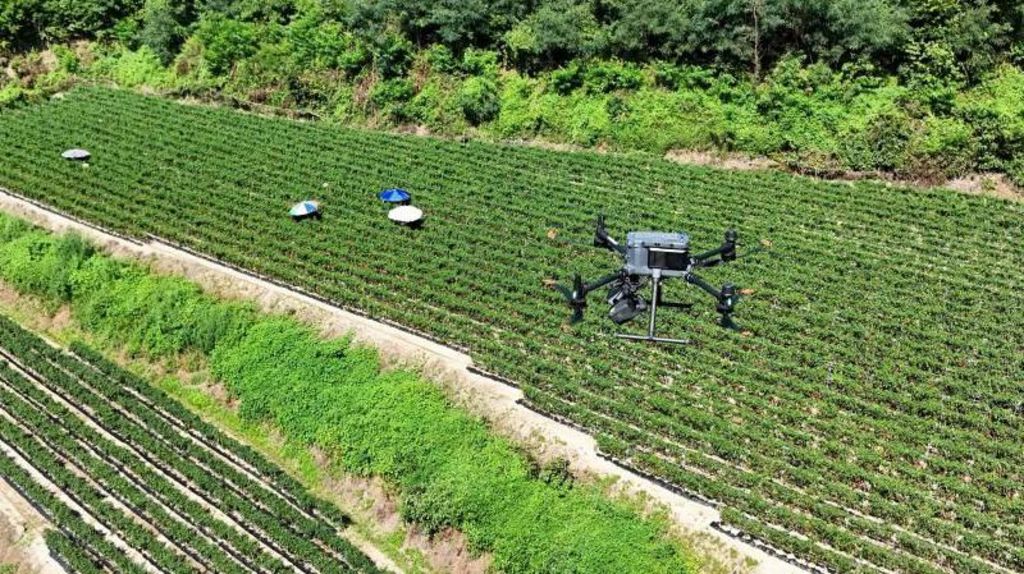
In rural agricultural areas, where many working farmers are elderly and particularly vulnerable to heat exhaustion, authorities have turned to drone technology to monitor and warn at-risk workers. Local administrations in North Gyeongsang province have deployed specially modified drones fitted with loudspeakers and thermal imaging cameras that hover over farmland to track working farmers. When workers stay in the heat too long, the drones broadcast direct warnings such as “it’s hot, you need to go inside” to prompt them to take scheduled breaks in cool shelter.
The extreme conditions have forced the cancellation of dozens of public events and professional sports matches, following a life-threatening incident earlier this week that saw a 23-year-old spectator collapse at a professional baseball game in Incheon, felled by heat-induced dehydration and low blood pressure. The national baseball organization has canceled all scheduled matches for the week, and the iconic daily changing-of-the-guard ceremony at Seoul’s Gyeongbokgung Palace has been suspended on the advice of the national weather agency, which has urged all non-essential outdoor activities to be called off.
For vulnerable South Koreans without access to reliable home air conditioning, including unhoused people and low-income elderly residents, the country’s large, air-conditioned public airports have emerged as informal cooling refuges. Photographs from local media show hundreds of people resting on terminal benches and concourse platforms, using towels as makeshift cushions and blankets. One regular visitor to Seoul’s Gimpo Airport told The Korea Times that the facility fills a critical gap for low-income people seeking relief: “it is a perfect place to rest without spending any money. I come here from time to time with my friends whenever the weather gets too hot.”
Amid the official response, a grassroots tech innovation has also gained massive popularity among South Koreans navigating the heat. A mobile app called Geuneulro, which translates to “shaded road” in Korean, was developed by 23-year-old undergraduate Yu Min-jun to help commuters and pedestrians find the coolest walking routes through urban areas. The app pulls in real-time data on the sun’s position, and calculates shadow coverage from buildings and trees to recommend the most shaded paths between two points.
Yu told BBC Korean he built the app after struggling to complete his own daily commute through the scorching summer heat, saying “This summer has become so hot that I feel like meat on a grill.” The app’s rapid surge in downloads shows how widespread heat distress is across the country: “The fact that it has resonated with so many people shows that many are struggling. That makes me worry because they say it will only get hotter in the future. I hope this prompts more to pay attention to climate change,” Yu added.
Climate forecasters say mild relief may be on the horizon starting this weekend, when daytime high temperatures are expected to drop to around 36°C. However, long-term forecasts remain concerning: Seoul’s meteorological administration has projected a 50% probability that above-average temperatures will persist through September and October, extending the crisis for weeks to come.