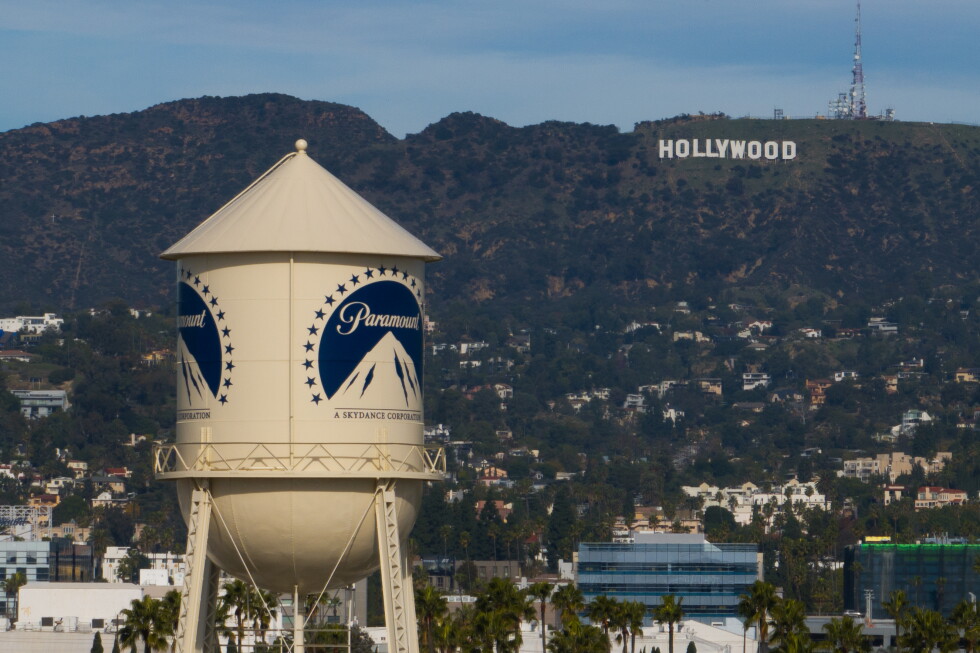
The $81 billion proposed acquisition of Warner Bros. Discovery by Paramount has cleared a critical regulatory hurdle in the United Kingdom, after British competition and cultural regulators signed off on the deal Thursday, contingent on a series of legally binding commitments from the media giant. The approval removes one major barrier to the mega-merger, though the transaction still faces ongoing high-stakes antitrust challenges in the United States that will push its closing into at least 2025.
The UK’s Competition and Markets Authority (CMA) concluded its review of the combination by ruling that the merger would not substantially reduce competition for UK consumers, clearing the path for the deal. Separately, the UK’s Department for Digital, Culture, Media and Sport (DCMS) announced it would not intervene, after Paramount agreed to a set of strict, enforceable protections for UK media consumers.
These safeguards include requirements to maintain full editorial independence for Paramount’s UK free-to-air network Channel 5, keeping its editorial direction entirely separate from the merged group’s other major news assets CNN and CBS. The company also committed to keeping its linear broadcast channels and on-demand streaming offerings separate in the UK market, and to preserving the distinct identity of children’s networks including Nickelodeon and Cartoon Network. DCMS will oversee ongoing compliance, requiring Paramount to submit annual public statements confirming it is adhering to the agreed terms.
The green light from UK regulators comes after months of scrutiny, and pushback from high-profile critics. Earlier this summer, Culture Secretary Lisa Nandy had publicly indicated she was inclined to intervene over concerns about competition and media diversity for UK consumers in news, broadcast television, and streaming. Last month, three of Britain’s most prominent Hollywood stars – Alan Cumming, Benedict Cumberbatch, and Benedict Wong – published a joint open letter in The Guardian urging Nandy to block the deal, arguing the merger would cause lasting harm to British audiences and the UK creative industry.
“As actors and public figures who have spent our careers in the arts in Britain — working with British crews, on British stages and sets — we have a responsibility to the public who support, enjoy and consume the art we make,” the trio wrote in their July 27 op-ed.
Paramount has framed the UK approval as a key milestone in its effort to close the acquisition. The company itself was acquired by Skydance just one year ago, and leadership has framed the Warner Bros. Discovery purchase as a transformative move to create a global media powerhouse. If completed, the merger will bring a sprawling roster of major media properties under one corporate roof: HBO Max, CNN, the Harry Potter film franchise, and Warner’s UK-based TNT Sports will combine with CBS, Paramount+, the Top Gun franchise, London’s Channel 5, and localized UK children’s programming from Nickelodeon.
While the deal has now secured approval from UK regulators, it still faces significant opposition on the other side of the Atlantic. A coalition of 12 U.S. states led by California filed suit last month to block the merger, alleging that the combination would eliminate critical competition in Hollywood, reduce content choices for consumers, and drive up prices for moviegoers and cable customers. The Writers Guild of America has also joined legal challenges to the deal, arguing further media consolidation will harm creators and workers in the industry.
A 12-day antitrust trial over the states’ challenge is scheduled to begin in early March 2025, and Paramount has confirmed it will vigorously defend the transaction in court. As a result of the ongoing litigation, the company has already pushed back the target closing date for the merger well into next year.
Notably, the U.S. challenge stands in contrast to the position of the current Trump administration’s Department of Justice, which announced in June it would not block the deal and released a public statement supporting the combination. Questions about political influence have lingered around the transaction, due to President Trump’s well-documented close relationship with the family of Paramount CEO David Ellison, a billionaire media scion.
Beyond the UK and U.S., Paramount has already secured regulatory approval for the merger from the European Union, as well as authorities in China, Canada, and Australia. When including the assumption of Warner Bros. Discovery’s outstanding debt, the total value of the transaction climbs to nearly $111 billion, equal to roughly 82 billion British pounds.
Paramount and Warner Bros. Discovery have argued that the merger will drive long-term growth for the global media industry, and expand access to diverse content for consumers. Critics, however, warn that the deal will further concentrate an industry already dominated by a small handful of major media conglomerates, reducing competition and eroding media diversity for audiences around the world.