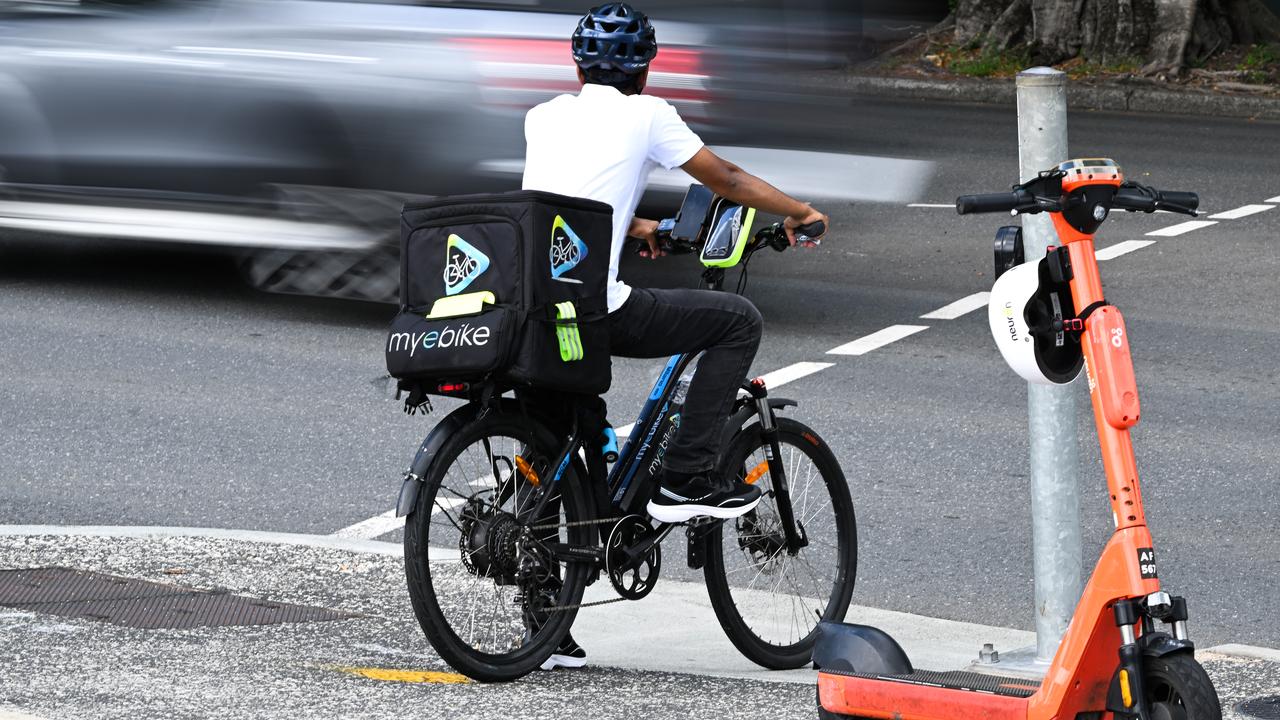
Australia’s federal Albanese government has launched a landmark initiative to regulate the fast-growing but controversial e-bike and personal e-rideable market, announcing a mandatory national safety standard to curb the rising tide of safety incidents linked to unregulated high-powered devices. For years, the sale and operation of e-bikes, electric scooters, and electric skateboards across Australia have fallen under a disjointed patchwork of state and territory rules, with populous states including New South Wales and Queensland launching independent local crackdowns in recent years to address growing public safety concerns. Under the new plan, the government has tasked the Australian Competition and Consumer Commission (ACCC) with drafting a single, consistent national regulation framework that will apply uniformly across all Australian jurisdictions, covering every battery-powered personal mobility device sold in the country. The new rules will set a clear, hard boundary against unregulated high-speed, high-powered models that have been tied to a growing number of severe injuries and fatal accidents, including incidents involving children. The planned framework aligns with the widely adopted international EN-15194 safety standard, which mandates that e-bike motors disengage automatically when the vehicle reaches 25 kilometers per hour, and caps maximum motor output at 250 watts. Federal Infrastructure Minister Catherine King emphasized that the new regulation marks a critical turning point in addressing the risks posed by unsafe, illegal e-rideables operating on Australian roads and in public communities. “This standard will give Australians the confidence that the products being sold are legal and fit for purpose and will help keep Australians safe,” King stated. Assistant Productivity Minister Andrew Leigh echoed the commitment to consumer protection, noting that e-bike purchasers deserve full confidence in the safety of the vehicles they buy. Leigh added that uniform national rules will create clearer, more predictable requirements for manufacturers, retailers, and everyday users across the country. Recognizing the growing role of e-bikes in sustainable urban transport, Leigh also acknowledged that e-bikes are “a great addition to our transport network” that helps cut road congestion in dense urban areas. To address the existing stock of non-compliant e-bikes already in circulation across the country, Leigh confirmed that the federal government is collaborating closely with state and territorial governments to develop a coordinated approach to managing this legacy issue. “We’re addressing both sides of the challenge,” he said. The federal announcement comes as NSW already moves to align its local rules with national norms: from August this year, the state will enforce a 250-watt cap on e-bike motors, matching limits already in place in many other jurisdictions. NSW has also taken separate steps to regulate shared e-bike services, introducing new laws targeting improper dumping of shared devices and mandating dedicated parking zones to reduce public space clutter. The coordinated federal effort comes after years of growing public frustration and safety concerns over unregulated e-rideables, as booming sales and the expansion of shared mobility services have put more high-powered devices on Australian footpaths and roads, leading to rising accident rates.