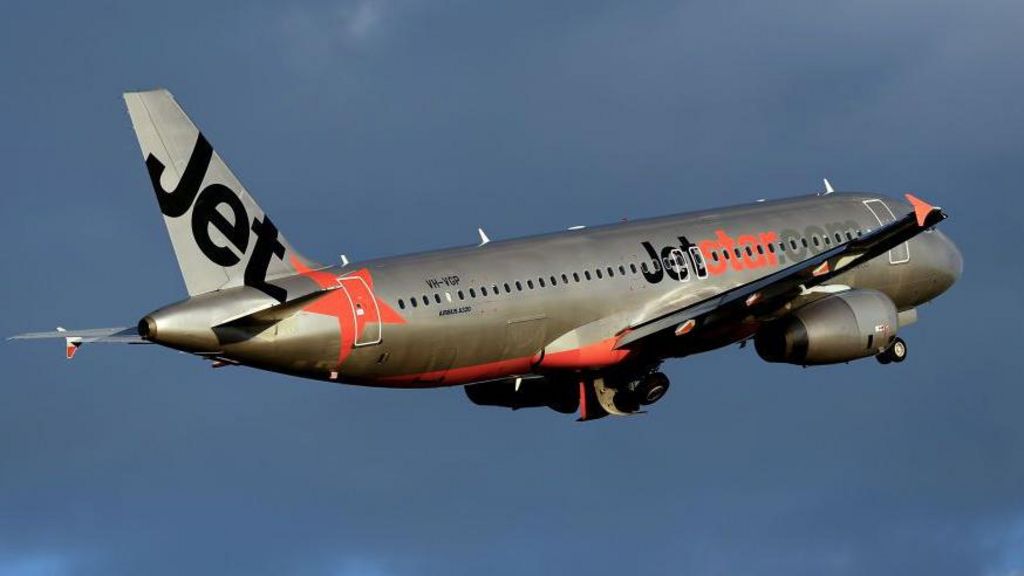
Australian budget air carrier Jetstar has ignited fierce and split debate across social media after unveiling a major overhaul of its cabin baggage policy, which introduces paid access to overhead locker storage starting in February. The airline is scrapping its existing 7kg free carry-on allowance, replacing it with a structure where all passengers can bring one small personal item that fits under the seat in front of them free of charge. Travelers wishing to stow a larger bag in the plane’s overhead compartments will need to pay a separate fee for that space, alongside receiving priority boarding if they opt for the upgrade.
In official statements, Jetstar frames the overhaul as a response to extensive customer and crew feedback, noting the new framework aligns with similar policies already rolled out by other leading low-cost carriers across Europe, including EasyJet and Ryanair. The company says common pain points of the current boarding process—long delays from gate bag weighing, and constant fights for limited overhead locker space—have driven the change. Jetstar CEO Stephanie Tully explained the adjustments are designed to better utilize available overhead storage, speed up boarding workflows, and ultimately boost the share of flights that depart on schedule. Under the new rules, routine gate bag weighing will be eliminated, though the airline requests that paid overhead bags stay under 10kg to ensure passengers can lift them safely into storage.
Fees for overhead locker space vary based on route length and demand, the airline confirms. For short domestic hops, such as between Launceston and Sydney, pricing starts at A$25 ($18 USD, £13 GBP). On longer international routes, fees climb higher: a Cairns to Tokyo flight carries a A$52 fee, while the BBC found a one-way overhead bag fee of $60 AUD for a Sydney to Osaka service. A Jetstar spokesperson told the BBC that the published rates are only representative examples, and final pricing can shift upwards based on passenger demand, meaning no fixed fee can be guaranteed to travelers.
Public reaction to the policy change has been sharply divided, with the debate quickly gaining traction across Australian social media platforms. Many frequent fliers have expressed outrage at the new fee, with some critics joking that next the airline will introduce charges for basic amenities like restroom access. Multiple users pointed out that carriers already charge separately for seats, in-flight food and drinks, and checked bags, questioning why carry-on access now requires an extra fee. Others noted the new policy contradicts airlines’ longstanding push for passengers to travel with only carry-on luggage to cut airport operational costs.
However, a significant contingent of travelers has come out in support of the change, arguing it solves a longstanding problem of overcrowded overhead bins. Many passengers shared frustrations that oversize bags carried by other travelers often leave no space for small personal items like jackets or purses. Some noted that selfish overpacking by a small group of passengers has created the issue for everyone, saying the new pricing structure is a logical solution to discourage excessive carry-on luggage. This split response reflects broader tensions in the low-cost air travel sector, where carriers continue to unbundle services to keep base ticket fares low, shifting more costs directly to travelers who use extra amenities.