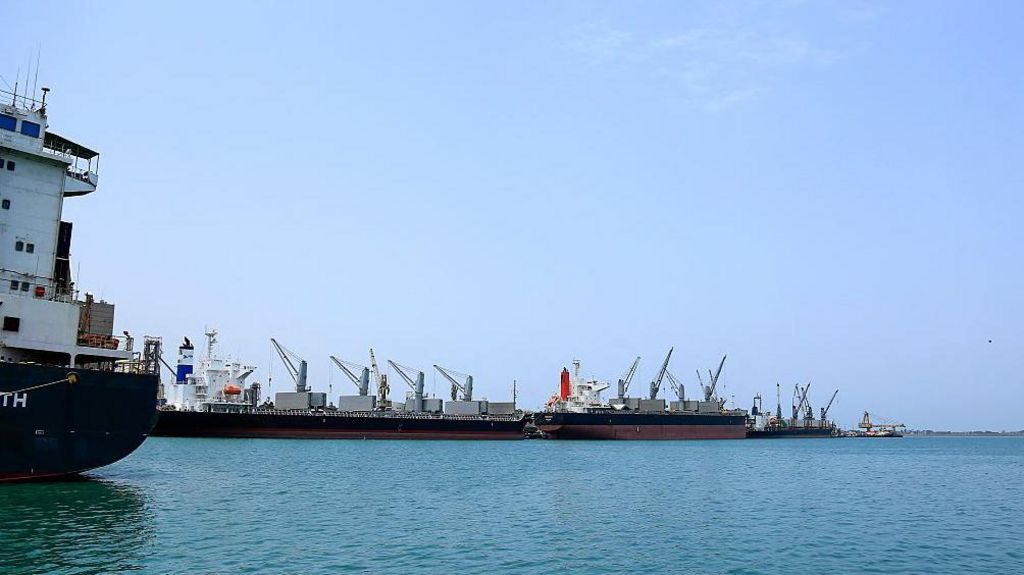
A new chapter of escalating maritime instability has unfolded in the waters off Yemen, after an Indian-flagged commercial vessel capsized and sank when it was struck by an unidentified projectile, regional and national officials confirmed this week.
All 14 crew members on board the MSV Faize Noore Oliya — 13 of whom hold Indian citizenship — have been pulled from the water safely, with no reported casualties, Indian Shipping Minister Sarbananda Sonowal announced. In his official statement, Sonowal denounced the strike as an unprovoked attack, adding that New Delhi would move quickly to implement new safeguards to protect Indian seafarers operating in the high-risk region. As of the latest updates, no group or actor has claimed responsibility for the strike, and the identity of the perpetrator remains unconfirmed.
This incident marks the latest in a growing string of targeted attacks on commercial shipping across the Red Sea, a critical alternative shipping route that many oil tankers have diverted to since Iran blocked the Strait of Hormuz, one of the world’s most vital chokepoints for global energy trade, back in February. The disruption to key regional shipping lanes began in earnest after a series of coordinated U.S. and Israeli strikes on Iranian targets in late February, which triggered Tehran’s decision to close the Strait of Hormuz — a passage that carries roughly a fifth of the world’s daily oil consumption. The closure immediately sent shockwaves through global energy markets, pushing oil prices sharply higher as supply chain fears mounted.
In response to the closure, many oil tankers carrying crude from Saudi Arabia re-routed through the Red Sea to reach global markets. But the growing frequency of attacks on shipping in the Red Sea, most of which have been linked to Yemen’s Iran-aligned Houthi movement targeting Saudi-linked vessels, has turned the alternative route into a new danger zone for commercial shipping. Reuters, citing officials from Yemen’s Saudi-backed and internationally recognized transportation ministry, reported that the Houthi group carried out the latest attack using an explosive-laden boat. The Houthi movement has not issued any public response to the accusation, and the group previously announced a self-declared blockade of Saudi Red Sea ports in late July, which has already disrupted regional shipping activity. The United Kingdom’s Maritime Trade Operations agency has also documented multiple separate attacks on commercial vessels transiting the region over the past seven days.
Despite the rising security threats to regional shipping, global oil markets saw a significant downturn on Tuesday, with prices dropping to a three-week low. The decline came after senior U.S. officials signaled growing optimism that a new deal with Iran could be reached to reopen the Strait of Hormuz. This push for a new agreement follows a 14-point memorandum of understanding signed between Washington and Tehran back in June that laid out a framework for a ceasefire, the reopening of the Strait, and a negotiated end to hostilities within a 60-day window. The deal collapsed just three weeks after it was signed, however, when then-U.S. President Donald Trump announced the ceasefire was finished after Iran carried out new attacks on shipping in the Strait and the U.S. launched retaliatory strikes.
On Tuesday, U.S. Treasury Secretary Scott Bessent told reporters that negotiations have moved forward in recent days, indicating that a final deal to reopen the Strait could be finalized as early as Tuesday or Wednesday. Iran has pushed back against this framing, however, with Tehran officials stating that they are not engaged in direct negotiations with the United States and have no plans to open such talks, saying that any ongoing diplomatic discussions are being mediated through Oman.
India’s Ministry of External Affairs later issued a formal statement calling the ongoing wave of attacks on commercial shipping in the region deeply worrisome. “The targeting of commercial shipping in the region must end, and free and unimpeded navigation and commerce through the international waterways in the region, in keeping with international law, must be restored at the earliest,” the ministry’s statement read, echoing growing global concern over the impact of the regional crisis on international trade and energy security.