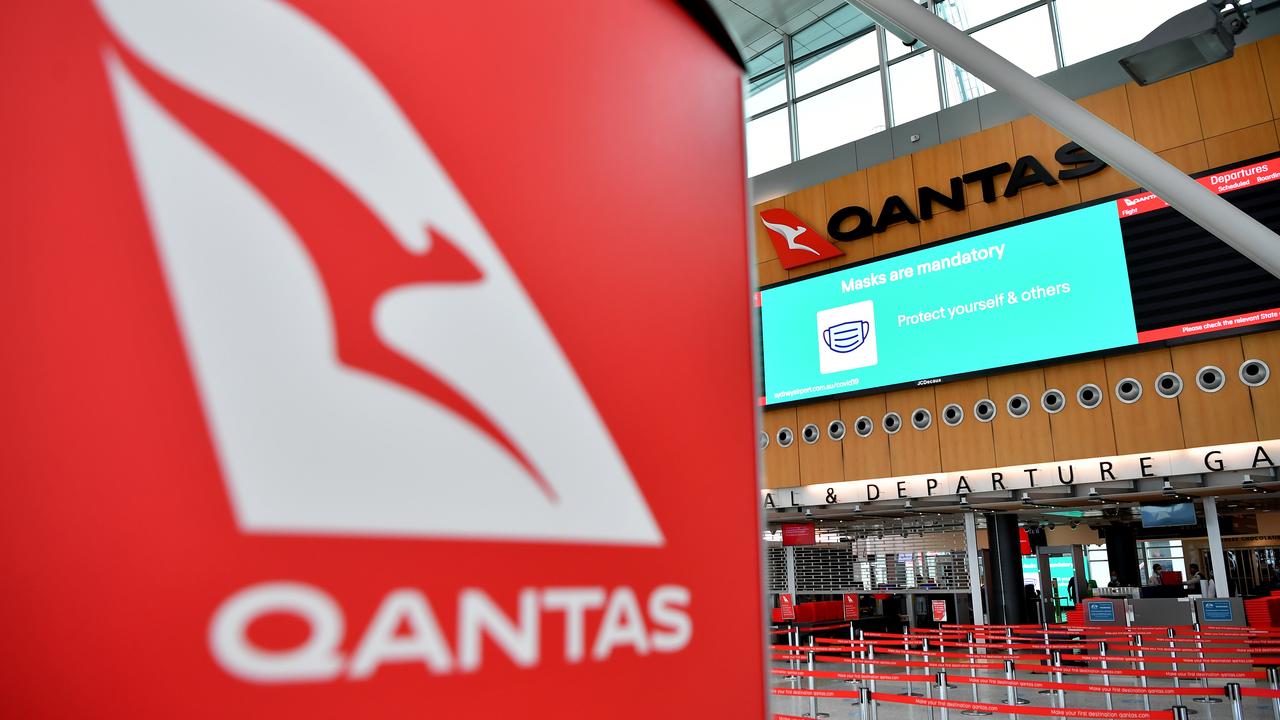
Australian aviation giant Qantas is once again at the center of industrial controversy, as reports emerge that the company is considering cutting or offshoring up to 1,000 back-office roles to India amid a company-wide push to integrate artificial intelligence into core operations. The airline has confirmed it is in early-stage consulting discussions with global professional services firm Accenture around an initiative dubbed Project iQ, which focuses on optimizing operational workflows through expanded AI adoption. A final decision on restructuring roles across marketing, finance, human resources and other corporate support departments is expected to be finalized by the end of 2024. In a statement to NewsWire, a Qantas spokesperson emphasized the company’s goal of modernizing work processes to improve outcomes for both customers and employees, noting that no formal partnership agreement or final restructuring decisions have been reached to date. The company also pushed back on criticism of its employment strategy, pointing to thousands of new operational roles added across Australia in recent years, as well as a new 400-position technology hub currently being developed in Adelaide. The airline is set to release its full-year 2024 financial results in late August, after reporting a largely flat first-half performance that delivered a statutory after-tax profit of $925 million – a marginal $2 million increase compared to the same period in 2023. The proposed restructuring has drawn sharp condemnation from the Australian Services Union (ASU), which has warned it will mount a vigorous campaign to protect every at-risk position. ASU Assistant National Secretary Scott Cowan called for urgent direct talks with Qantas Chief Executive Vanessa Hudson on Tuesday, noting that the airline has given public assurances that no Australian roles will be offshored. “If that commitment turns out to be empty, it will not just be a broken promise to our union – it will be a profound breach of trust with the Australian public, which stood by this airline through every crisis it has faced,” Cowan said. This is not the first time the union has had to seek formal guarantees from Qantas that AI integration will not be used as justification for layoffs, Cowan added, calling on the airline to use new AI tools to augment its skilled workforce rather than cut roles. The controversy also renews scrutiny of Qantas’ long history of outsourcing and offshoring, including a high-profile illegal layoff during the COVID-19 pandemic. In that case, Qantas outsourced 1,800 to 2,000 ground handling roles to third-party contractors, a move that Australian courts ultimately ruled unlawful. The company was ordered to pay a $90 million fine for the violation, making the current proposed cuts a particularly sensitive issue for both the union and the traveling public.
Qantas eyes cutting 1000 office jobs in major artificial intelligence overhaul