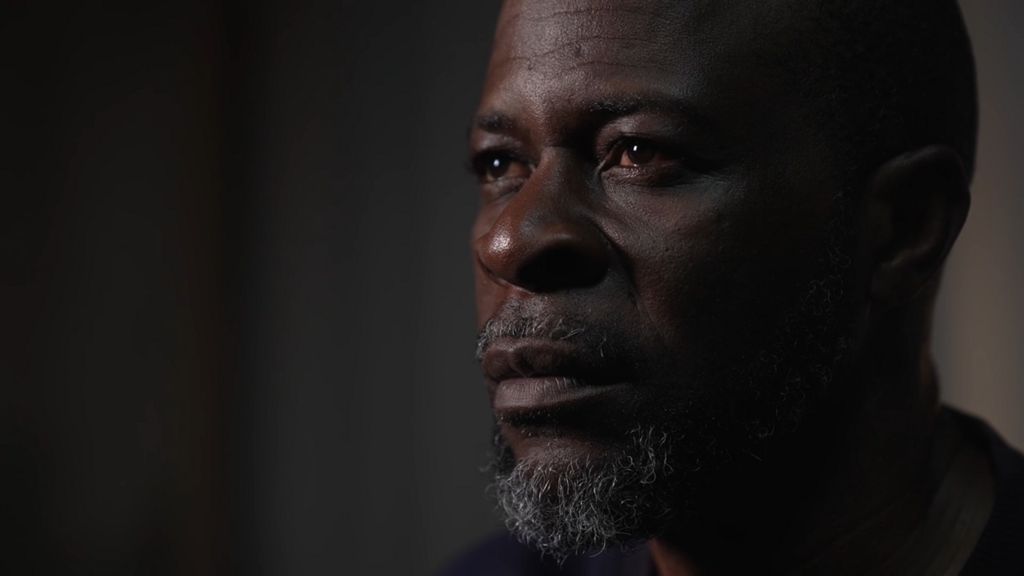
In the wake of escalating anti-migrant protests that have roiled South Africa since early 2024, tens of thousands of foreign migrants have abandoned their lives, businesses and loved ones to flee the country, turning a wave of popular hostility into a continental diplomatic crisis that has strained Pan-African solidarity. For 47-year-old Nigerian migrant Richard Itoro, the decision to get on a voluntary repatriation flight to Lagos in June came after 15 years of building a stable life in Johannesburg: he owned a successful car dealership, purchased a home, and built a family with his South African wife and their twin children. But when anti-migrant sentiment reached a fever pitch, even his legal status could not shield him and his family from targeted intimidation.\n\nItoro says neighbors began harassing his wife, telling her she had betrayed South Africa by marrying a Nigerian and ordering the entire family to leave the country. ‘My family was just a small, peaceful, beautiful family. I never had any conflict with anyone,’ Itoro told the BBC, his voice breaking as he recalled saying goodbye to his wife. ‘Starting over from scratch back home is better than staying here, being harassed and living in constant fear for my life.’ Even with valid documentation proving his legal right to reside in South Africa, the Nigerian high commission refused to allow Itoro to bring his wife and children with him on the repatriation flight. He compared the experience to fleeing a besieged city on the last evacuation helicopter: ‘I watched the car pull away, and all I could do was wish I had told her not to cry.’ Today, Itoro rebuilds his life in Lagos, but he remains separated from his family, speaking to them every day while he waits for enough stability to bring them home. ‘It feels like I lost everything,’ he said. ‘It’s heartbreaking, but I hold out hope that my wife will join me soon.’\n\nItoro’s story is far from unique. The wave of anti-migrant protests reached a peak in late June, led by groups that claim they are targeting only undocumented migrants to address South Africa’s crippling 32% unemployment rate. Gayton McKenzie, South Africa’s outspoken Culture Minister and leader of a key party in the country’s coalition government, has echoed this framing: ‘No man can feed another man’s children while his own children go hungry. Our people are starving for jobs,’ he said, backing calls for undocumented migrants to leave the country. He emphasized that South Africa remains open to migrants who enter through legal channels with proper documentation. But multiple African governments say even documented migrants have been targeted in the wave of hostility, putting paid to claims that the crackdown only targets people without papers.\n\nEmmanuel Asamoah, a 37-year-old Ghanaian hairstylist who moved to Soweto in 2023 to pursue better economic opportunity, is one such example. He had a valid stamp in his passport granting him permission to reside in the country, but earlier this year he was surrounded by a group of local residents who harassed him, pushed him, and demanded he leave. A video of the confrontation circulated widely on social media, sparking outrage across the continent. ‘They said we were ruining their country, that we were taking their jobs and their girlfriends, that they had nothing because of us,’ Asamoah recalled. He returned to Accra, Ghana’s capital, in May, where he has since opened a new cement business with support from a local entrepreneur. ‘I tell my former neighbors in South Africa: I’m back home fixing my country now,’ he said.\n\nThe crisis has already done severe damage to South Africa’s standing across the continent, with social media videos of attacks on migrants amplifying public anger in neighboring countries. Tensions spiked further last week after a Nigerian citizen was killed during a police arrest on suspected drug charges, prompting South Africa to launch an independent investigation into the death. Speaking after a meeting with his South African counterpart Ronald Lamola, Nigerian Minister of State for Foreign Affairs Sola Enikanolaiye made clear that documented Nigerians have been targeted: ‘We have records of Nigerians with valid legal permission to stay in South Africa who have still been attacked.’ Lamola countered that South Africa is committed to prosecuting people who take vigilante action, but also defended the country’s right to enforce its immigration laws: ‘President Cyril Ramaphosa is very firm on South Africa’s sovereign right to enforce our immigration rules.’\n\nGhana’s Foreign Minister Samuel Okudzeto Ablakwa says the treatment of Ghanaian migrants violates the core spirit of Pan-Africanism and continental integration, pointing out that other African countries supported South Africa’s fight against apartheid before it ended in 1994. ‘South Africa should be the epitome of Pan-Africanism. We talk constantly about African integration and free movement of people,’ he told the BBC. ‘Even if you have serious challenges with high irregular immigration, is this how you resolve the issue?’ Beyond Nigeria and Ghana, Malawi has also organized repatriation transport for its citizens fleeing the hostility, with tens of thousands of migrants having left South Africa over the past two months alone. For the thousands of migrants who have returned home, the crisis has brought fractured families, dashed economic dreams, and an uncertain future – even as some have managed to build unexpected new starts on their home soil.