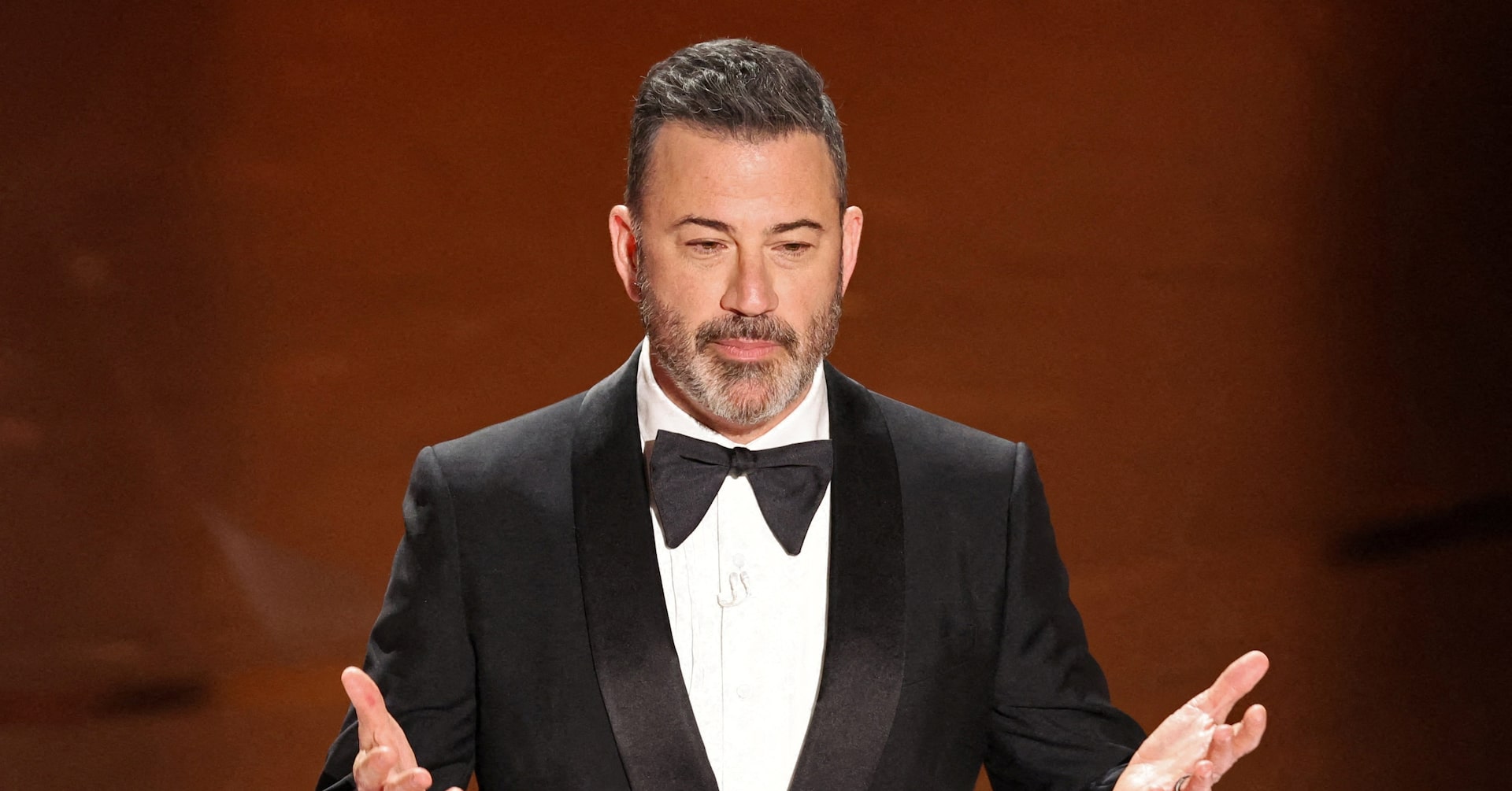
Jimmy Kimmel, the renowned late-night talk show host, has found himself at the center of a heated controversy following his suspension by ABC. The decision came after Kimmel made contentious comments on his show, ‘Jimmy Kimmel Live!,’ regarding the assassination of conservative activist Charlie Kirk. Kimmel suggested that Kirk’s shooter was a supporter of former President Donald Trump and criticized the ‘MAGA gang’ for politicizing the tragedy. His remarks also included a jab at Trump for allegedly diverting attention to White House renovations when questioned about Kirk’s death. The fallout was swift, with Brendan Carr, head of the Federal Communications Commission (FCC), condemning Kimmel’s statements as misleading and hinting at potential regulatory actions. Carr’s comments, made on a conservative podcast, emphasized the need for broadcasters to uphold community interests. Shortly after, Nexstar Media Group announced it would cease airing Kimmel’s show on its ABC affiliates, citing the need to align with FCC standards. ABC followed suit, suspending Kimmel’s show indefinitely. While Kimmel could potentially sue the FCC or ABC for free speech violations or breach of contract, legal experts suggest that such cases would face significant hurdles. The First Amendment protects against government interference in speech, but proving coercion by the FCC would be challenging. Additionally, ABC retains the right to decide its programming, further complicating any legal recourse for Kimmel. The incident has sparked a broader debate about free speech, media regulation, and the boundaries of political commentary in entertainment.
Explainer: Were Jimmy Kimmel’s free speech rights violated when ABC canceled his show?