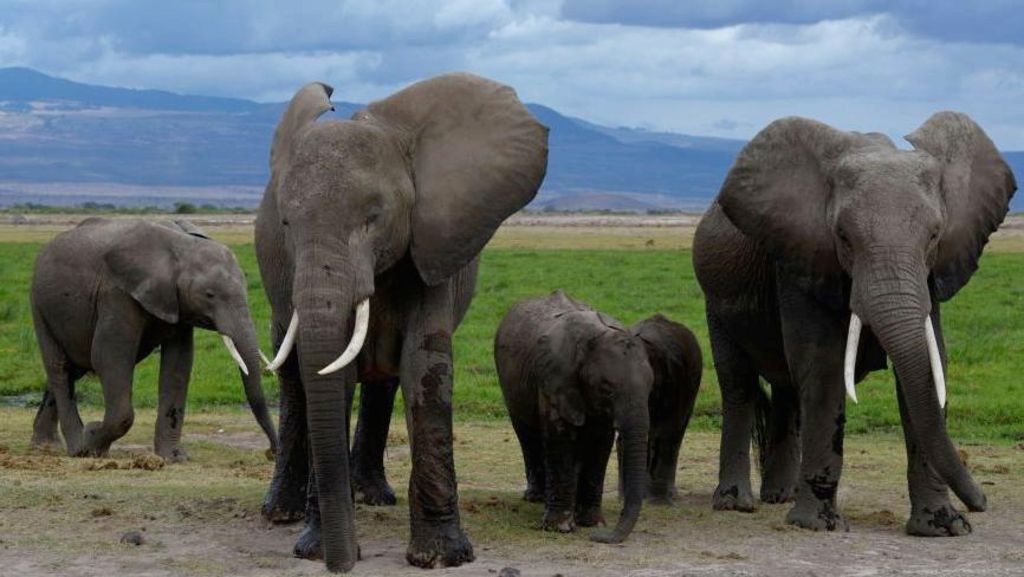
A tragic mass mortality event has sparked new conservation tensions in one of Africa’s most renowned elephant habitats, after 15 elephants were found dead outside Kenya’s Amboseli National Park in an incident linked to toxic pesticide contamination. Over a one-month period stretching from June 24 to July 24, 2026, all 15 animals succumbed after ingesting contaminated farm produce, according to preliminary findings from the Kenya Wildlife Service (KWS).
Early investigations revealed that the elephants, which wandered out of the protected park in search of food and water, likely consumed pesticide-sprayed tomatoes from nearby smallholder farms. Lab analysis of tissue samples taken from the elephant carcasses confirmed the presence of cyanide, matching the theory that the toxin came from agricultural chemicals. Ten of the elephants showed clear signs of paralysis before dying within 48 hours of first showing symptoms, while the remaining five were already deceased when rangers and local observers discovered their remains.
Surprisingly, wildlife officials have ruled out targeted foul play such as intentional poaching or deliberate poisoning at this stage of the inquiry, which remains ongoing. To calm public anxiety, KWS has also emphasized that the toxic substances found in the elephants do not pose an immediate public health threat to nearby human communities.
This incident has reignited long-simmering concerns about the steady expansion of agricultural activity into the Amboseli ecosystem, the 20,000-square-kilometer transboundary wildlife habitat that stretches across the Kenya-Tanzania border. The region, famous for its large elephant population coexisting with Maasai pastoral and farming communities, has seen growing human-wildlife conflict as farmland expands into traditional elephant migration routes. Elephants frequently wander out of the protected national park to access crops and scarce water resources, especially during dry seasons when natural food and water supplies within the park dwindle.
Conservation officials note this event marks the first time in decades that such a large number of elephants have died in a single incident in the Amboseli region, a area that has celebrated major successes in cracking down on elephant poaching in recent years. The 15 deceased elephants include individuals of multiple ages and both sexes, meaning the loss affects multiple family groups rather than being isolated to a single herd demographic.
As of 2025, population monitoring data from the non-profit Amboseli Trust for Elephants puts the total elephant population in the Amboseli ecosystem at over 2,000 individuals, a number that has stabilized after years of conservation investment. This mass mortality event has underscored the growing need for long-term solutions to reduce human-elephant conflict as human settlement and agriculture continue to encroach on critical wildlife habitat across southern Kenya.